Afghan radio station focused on women’s rights is a casualty of the Taliban

Source:
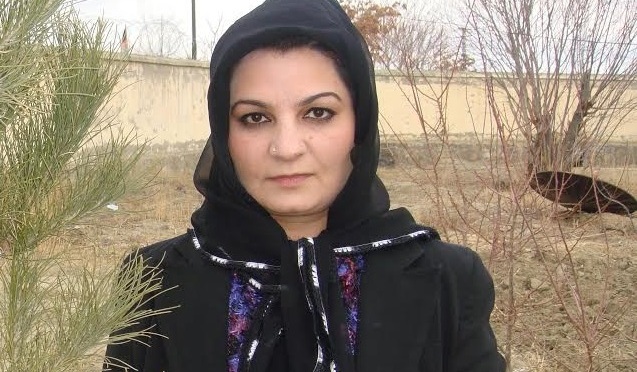
As the Taliban fighters approached, the employees of Radio Roshani fled. They locked the station door behind them, the pre-recorded programs still on the air, seemingly in defiance. On the afternoon playlist was a feature to encourage Afghan women to take part in politics. But it was never broadcast. “The radio was silenced at 2 p.m.,” said station director Sediqa Sherzai, who was listening to the programming shortly after fleeing the compound in Kunduz. By then, Taliban militants had seized the station.
Mother And Child Behind Bars: The Women Of Afghanistan’s Prisons

Source:
In 2010, photographer Gabriela Maj was working on a project about an artist in Afghanistan when one of her editors suggested she take a look at Afghan women's prisons. Maj recalls: "He said, you know there are all these stories kind of floating, kind of bubbling up in the international media about women being incarcerated for something known as 'moral crimes.' And they're being put into these prisons with their kids.'" Her editor was right. When she arrived at Badam Bagh, a women's prison in Kabul, her first thought was, "It sounds more like a kindergarten or elementary school during recess

In Afghanistan, Death Threats Shatter Dream of First Female Pilot

Source:
At age 21, Niloofar Rahmani became Afghanistan’s first female fixed-wing military pilot, living out her father’s dream and emerging as a symbol of her country’s revolutionary assent to roles for women outside the home. That was also when her life began to unravel. “This was my dream job,” the Afghan Air Force captain said. “I never thought I would want to quit.” Now 23 years old, Capt. Rahmani faces death threats from both the Taliban and members of her extended family for daring to work in the male-dominated world of military aviation. Her parents and siblings also fear fo

Afghani parents still forced to pull daughters out of school

Source:
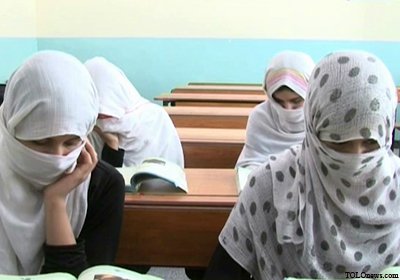
Due to cultural restrictions and security concerns, the number of female students dropping out of school is alarmingly high in Afghanistan’s southern province of Kandahar. The prevalent reason is that parents are taking their daughters out of school, long before they complete high school. Girls are not allowed to pursue education after primary school in Afghanistan. For female students who stay in school, they are forced to endure threats of violence, fear of balking traditions, and their family’s concerns over them leaving home.

The Plight of Women in Afghanistan

Source:
Countries which undergo strife for long periods of time due to civil war, terrorism and so on, face many societal problems. One of these problems causing great suffering is the severe degradation of the natural rights of people. In this climate, unfortunately, the most vulnerable groups in society such as women, children and minorities suffer first and the most. Afghanistan, which has undergone a violent transformation in the past thirty years, is no exception, plagued by myriad chronic societal issues. Given the depth and severity of these challenges adversely affecting the Afghan psyche, it

Give women a seat at the table in Afghanistan!

Source:
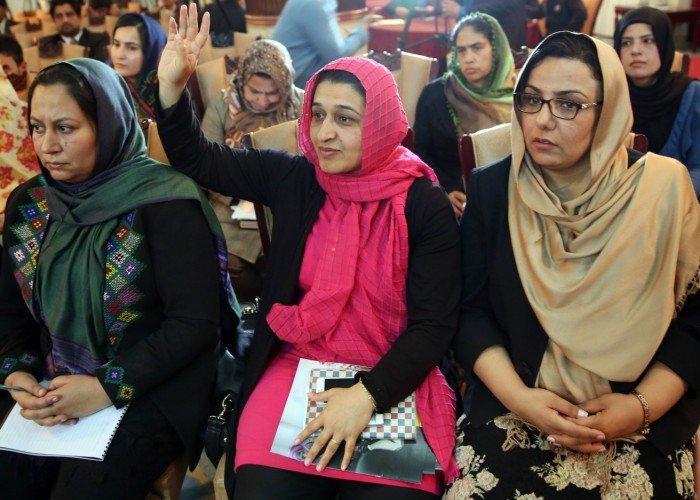
As rumors swirl about a new round of peace talks with the Afghan Taliban, the first under Afghanistan President Ashraf Ghani, women are fighting for a place at the table. The view from the front lines of that fight is maddening. Ghani has made negotiating peace with the Taliban a top priority — understandably, given that Afghan security forces, already stretched, depend on foreign donors heading for the exits. Less understandable is that Ghani has offered no indication that there will be a role for women in the talks. For years, Afghan women have advocated for their rightful place in t

UN: No justice for Afghani female victims of violence

Source:
The United Nations recently reported that women in Afghanistan who are victims of domestic violence are increasingly denied proper justice due to legal gaps and cultural pressure. Only 5 percent of abuse cases result in criminal prosecutions and punishment for the perpetrators, the UN Assistance Mission in Afghanistan (UNAMA) said. Victims often opt for resolving disputes through mutual agreements and reconciliation due to perceived deficiencies in the criminal justice system, including allegations of corruption, abuse of power, lack of professionalism, cultural, and family pressure.

98% of girls in Afghan province deprived of education

Source:
Strong conservative traditions are hindering education for women in Afghanistan’s southeastern Paktika province. Only 2 percent of females go to school. The province is a multi-ethnic tribal society with a population of about 413,800. Provincial director of women affairs Bibi Hawa Khoshiwal said that 98 percent of the girls are deprived of education in Paktika province despite the fact that there are schools that they can attend.