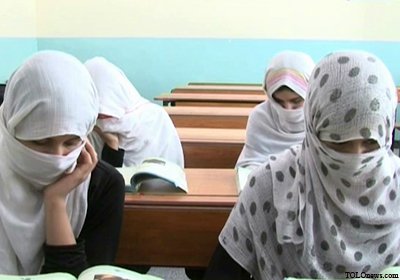
The Taliban orders women to wear head-to-toe clothing in public

Source:
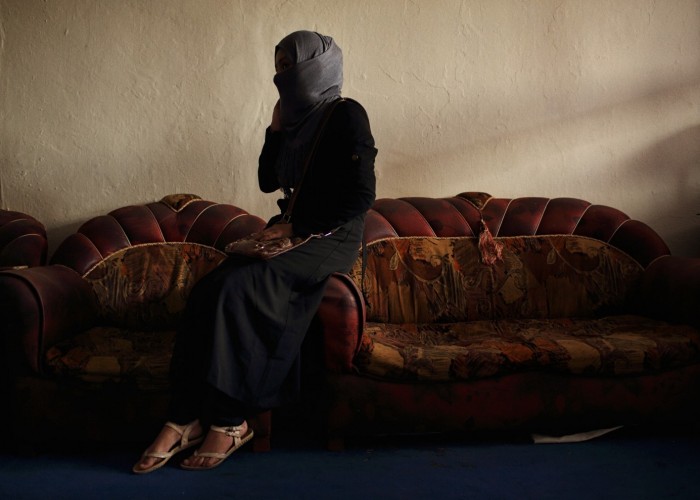
Taliban officials announced that women and girls would be expected to stay home, and if they were to venture out, to cover in all-encompassing loose clothing that only reveals their eyes – preferably, a burka. The restrictions on women's movement and dress are the harshest that the Taliban have announced since they came to power in August. It suggested the increasing dominance of the group's hard-line leaders, who appear to be behind the extended ban on most women and girls attending secondary school. Saturday's announcement seemed to confirm the fears of many Afghans that the Taliban
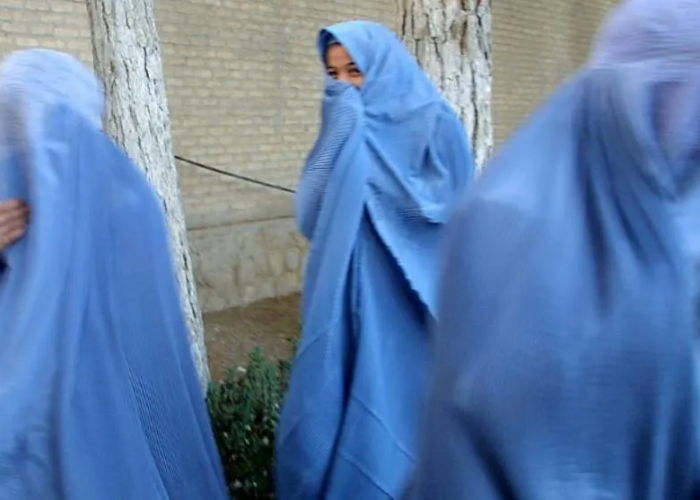
Taliban assurance of ‘women’s rights’ has big caveat

Source:
An agreement by the Taliban to respect women's rights may seem like a breakthrough, but activists have questioned how the hardline Islamists - notorious for stomping on freedoms - will interpret the careful wording. A historic meeting between Afghan representatives and the Taliban concluded late on Monday with the longtime foes issuing a joint statement, including a reference to women's rights. Participants at the Doha summit agreed that "assuring women rights in political, social, economic, educational, cultural affairs as per (and) within the Islamic framework of Islamic values", i

Afghan radio station focused on women’s rights is a casualty of the Taliban

Source:
As the Taliban fighters approached, the employees of Radio Roshani fled. They locked the station door behind them, the pre-recorded programs still on the air, seemingly in defiance. On the afternoon playlist was a feature to encourage Afghan women to take part in politics. But it was never broadcast. “The radio was silenced at 2 p.m.,” said station director Sediqa Sherzai, who was listening to the programming shortly after fleeing the compound in Kunduz. By then, Taliban militants had seized the station.

Mother And Child Behind Bars: The Women Of Afghanistan’s Prisons

Source:
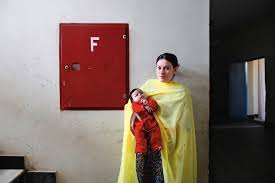
In 2010, photographer Gabriela Maj was working on a project about an artist in Afghanistan when one of her editors suggested she take a look at Afghan women's prisons. Maj recalls: "He said, you know there are all these stories kind of floating, kind of bubbling up in the international media about women being incarcerated for something known as 'moral crimes.' And they're being put into these prisons with their kids.'" Her editor was right. When she arrived at Badam Bagh, a women's prison in Kabul, her first thought was, "It sounds more like a kindergarten or elementary school during recess

In Afghanistan, Death Threats Shatter Dream of First Female Pilot

Source:
At age 21, Niloofar Rahmani became Afghanistan’s first female fixed-wing military pilot, living out her father’s dream and emerging as a symbol of her country’s revolutionary assent to roles for women outside the home. That was also when her life began to unravel. “This was my dream job,” the Afghan Air Force captain said. “I never thought I would want to quit.” Now 23 years old, Capt. Rahmani faces death threats from both the Taliban and members of her extended family for daring to work in the male-dominated world of military aviation. Her parents and siblings also fear fo

Afghanistan’s Women: Future Clouded by Rampant Violence, Conservatism

Source:
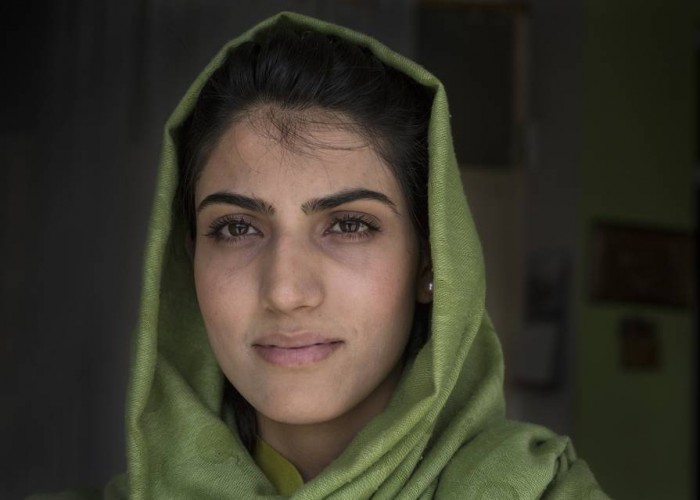
Benafsha should be a poster child for post-Taliban Afghanistan. Born just a year before the fundamentalist group was toppled in 2001, she soon joined the millions of girls who flooded back into classrooms around the country. Propelled by her own hard work plus the promises of a U.S.-backed government and Western countries that were pouring billions of dollars in aid into the war-torn country, she let her ambitions run free. "I want to become a doctor because I want to help people, and I love biology," Benafsha said, smiling broadly. That all ended in March, when her mother and brother

Afghani parents still forced to pull daughters out of school

Source:
Due to cultural restrictions and security concerns, the number of female students dropping out of school is alarmingly high in Afghanistan’s southern province of Kandahar. The prevalent reason is that parents are taking their daughters out of school, long before they complete high school. Girls are not allowed to pursue education after primary school in Afghanistan. For female students who stay in school, they are forced to endure threats of violence, fear of balking traditions, and their family’s concerns over them leaving home.