Kabul’s Women Find Power and Liberation in the City’s Vibrant Cafes

Source:
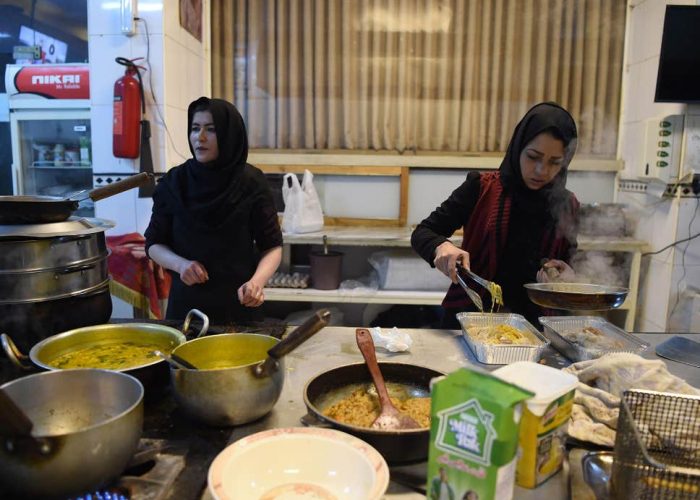
On some days, life as a young woman in Kabul can feel suffocating for Hadis Lessani Delijam, a 17-year-old high school senior. Once, a man on the street harangued her for her makeup and western clothes; they are shameful, he bellowed. A middle-aged woman cursed her for strolling and chatting with a young man. “She called me things that are so terrible I can’t repeat them,” Delijam says. For solace, Delijam retreats to an unlikely venue – the humble coffee shop. “This is the only place where I can relax and feel free, even if it’s only for a few hours,” Delijam said recen
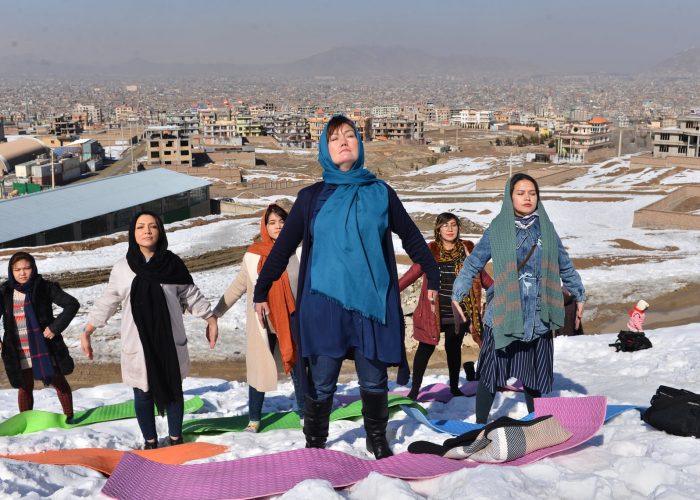
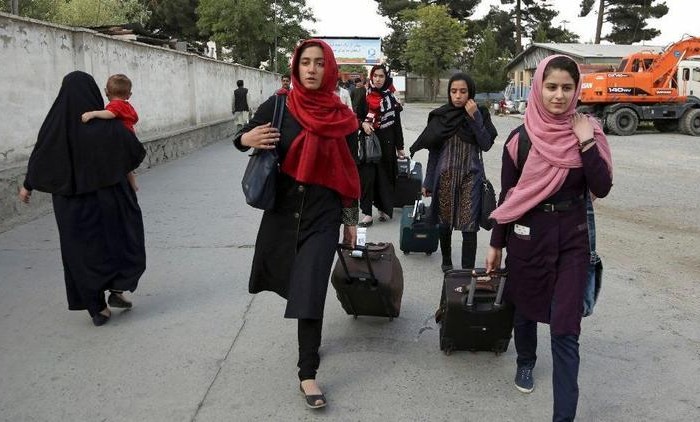
Trailblazing women of Kabul, Afghanistan – a photo essay

Source:
In 2018, less than a quarter of photographs published in major media outlets were taken by female photojournalists. Women by Women aims to demonstrate the importance of showing diverse perspectives in photography; female as well as male; local as well as international, and how different the world can look as a result. Putting this brief in the hands of local female photographers, the series starts in Kabul, Afghanistan, with the stories of a kickboxer, politician, street artist, yoga teacher, fashion designer and drugs counsellor. They are all breaking down gender barriers and shattering

Finally, visas in hand, Afghan girls depart for the U.S. and a global robotics competition

Source:
When Afghan 10th-grader Fatemeh Qaderian learned that her girls’ robotics team had been denied visas to attend an international competition in Washington — despite applying twice — the 14-year-old said she “lost hope.” “We worked hard and spent a lot of time,” said Qaderian, who flew back and forth with her teammates from their hometown in western Afghanistan to apply at the U.S. Embassy in Kabul. “I called my parents and told them what happened, and they were upset, too.” Those emotions morphed into elation as Qaderian and her teammates boarded a plane at Kabul Interna

Afghan teenager braves threats, family pressure to lead women’s orchestra

Source:
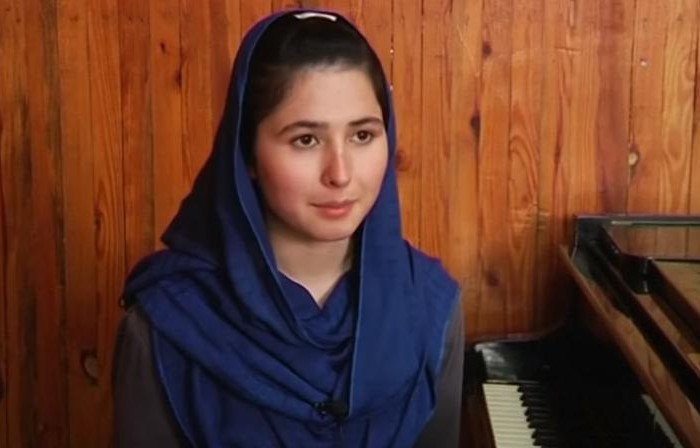
Like many teenagers, 19-year-old Negin Khpalwak from Kunar in eastern Afghanistan loves music, but few people of her age have battled as fiercely to pursue their passion in the face of family hostility and threats. Playing instruments was banned outright during the period of Taliban rule in Afghanistan, and even today, many conservative Muslims frown on most forms of music. Negin took her first steps learning music in secret, before eventually revealing her activity to her father. He encouraged her, but the reaction from the rest of her conservative Pashtun family was hostile.

Afghanistan’s First Female Street Artist Brings Hijabs And Feminism To City Walls

Source:
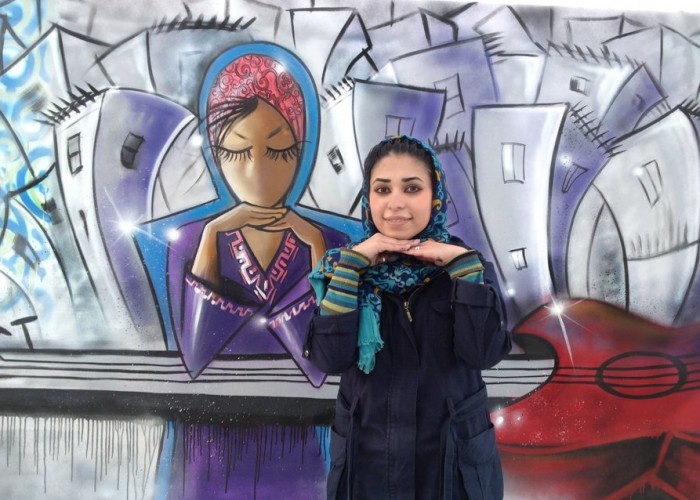
A woman in a purple hijab sits playing the piano, a tear rolling down her cheek. She plays her solitary tune amongst a sea of blue skyscrapers, soaring above the cars that zoom beneath her unnoticed. This subject already wears her contradictions proudly -- she is strong, she is vulnerable, she is graceful, creative, separate, sad. And yet, at least it seems, she calls out to no one, content to sit with her feelings and express herself creatively, freely, in peace. This work of street art was made by Shamsia Hassani, widely known as the first prominent woman street artist in Afghanistan. H

Afghanistan’s first female conductor

Source:
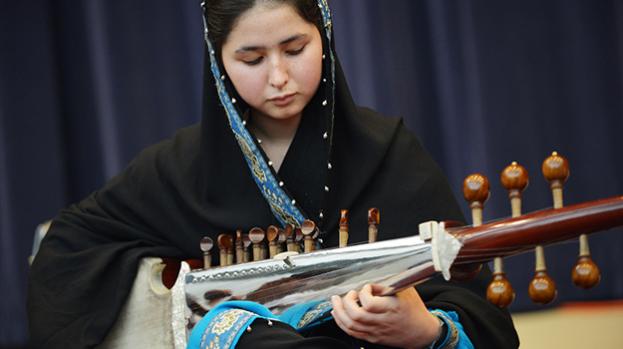
Negin Khpolwak, a student at the Afghanistan National Institute of Music, has raised the baton to become Afghanistan’s first female conductor. In a country where the Taliban once banned music, the female students have made history by performing their first concert with Khpolwak conducting. The Afghanistan National Institute of Music was established in June 2010, with music teachers employed from Afghanistan as well as the US, Australia, Russia and India. It currently has 200 students, including a quarter who are girls. The Institute’s founder and director Dr Ahmad Naser Sarmast has cont

For Afghan women, driving a car brings both fear and freedom

Source:
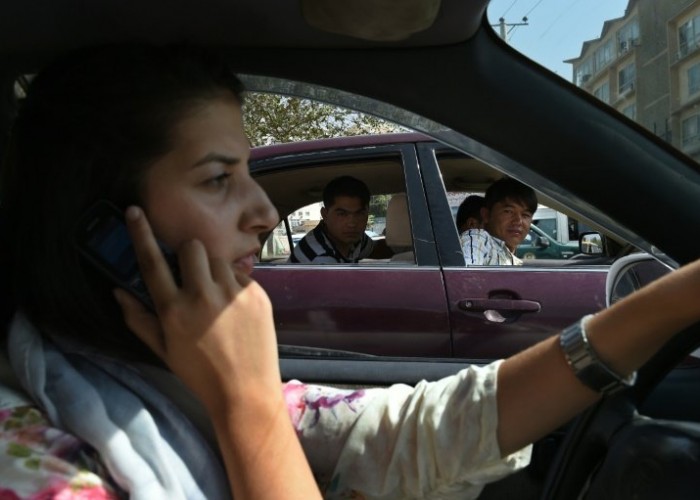
Since Rokhsar Azamee began driving the streets of Kabul last year, she has endured condescension, ridicule, and even threats to her life with some men deliberately causing "accidents" to harass her. But she will not be deterred. The 23-year-old journalist learned to drive to avoid aggravation from men in the street as she waited each morning for a taxi with a driver who would not hassle her on the way to work. But even the purchase of her own car has not shielded her from condemnation in the male-dominated, ultra-conservative society of Afghanistan. "For many men," she says, "it is a

‘Afghan Malala’ Speaks Up for Refugee Children

Source:
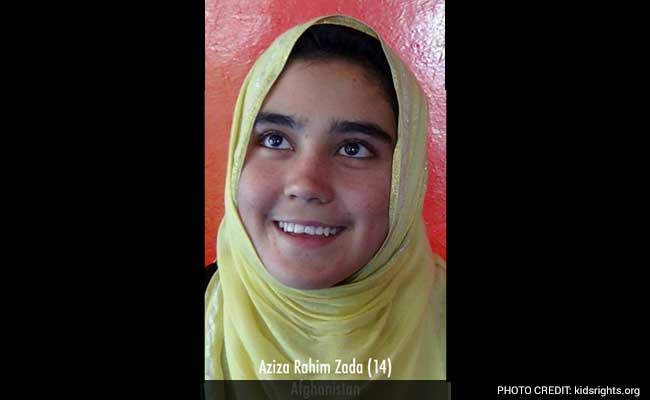
At the age of just 14, Afghan rights activist Aziza Rahimzada has already surmounted legal hurdles preventing 25,000 refugee children from attending school, and cajoled authorities into providing tap water to a camp housing more than 100 families. Now she has been nominated for the International Children's Peace Prize an award previously won by Malala Yousafzai and, like her Pakistani counterpart, hopes to spread her message of universal education and fundamental rights for Afghanistan's youth. "These children are the products of war," Aziza says during an interview with AFP from the Kab

Struggling to pave the way for future female leaders in Afghanistan

Source:
When she became governor of her native Ghor in June, Seema Joyenda knew that she was taking responsibility for not only one of Afghanistan's most insecure and impoverished provinces, but also the political aspirations of many Afghan women. As soon as her appointment by Afghan President Ashraf Ghani was announced, local religious leaders launched a protest. Mawlavi Mohammad, a member of Ghor's religious council, an advisory board of local mullahs, contended that Friday prayers — a religious obligation for all able-bodied Muslim men — would be voided in a community led by a woman, beca

The Policewoman of Kandahar

Source:
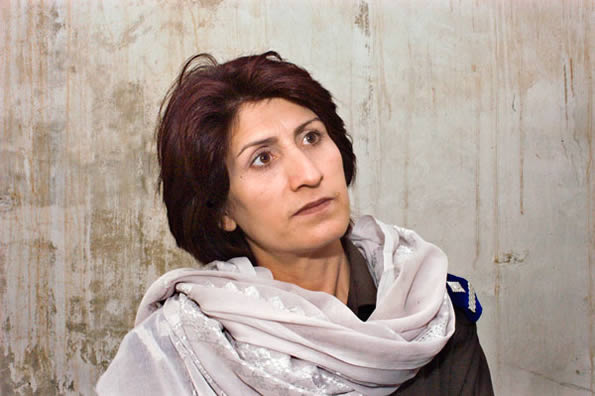
Women for Afghan Women is holding its anniversary gala in New York this week and will award the Malalai Kakar Human Rights Award to women’s rights advocate Mahira Ahmadzai of Afghanistan. Afghan First Lady Rula Ghani will speak at the May 28 event, which also honors  former ambassador Swanee Hunt, who went to Afghanistan to talk to Taliban leaders while they were in power. AWWP’s writers in Kandahar collaborated to write this story about Malalai Kakar, the heroic policewoman killed by the Taliban in 2008.

Afghan female ‘Top Gun’ breaks gender barrier

Source:
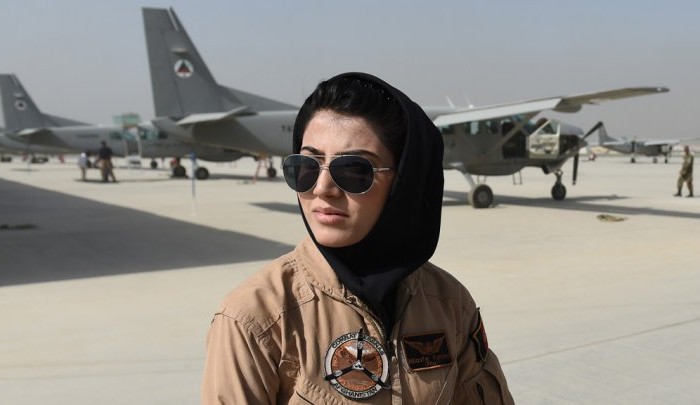
With a hint of swagger, Afghanistan's first female pilot since the fall of the Taliban is defying death threats and archaic gender norms to infiltrate what is almost entirely a male preserve. Dressed in khaki overalls, aviator shades and a black headscarf, 23-year-old Niloofar Rahmani cuts a striking presence as she struts across the tarmac at the Kabul Air Force base. "Ever since I was a child, when I saw a bird in the sky, I wanted to fly a plane," she told AFP at the base, hemmed in by rolling dun-coloured hills. "Many girls in Afghanistan have dreams... but a number of problems, t

Skateboarding in Kabul

Source:
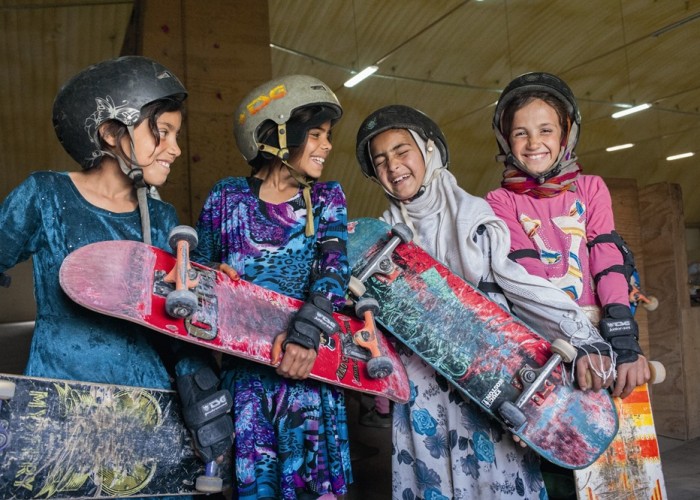
Photographer Jessica Fulford-Dobson is the latest to use her lens to capture NGO Skateistan's students in Kabul. The project, started in 2007 by Australian Oliver Percovich, aims to mix studies with sport with the priority of getting girls from poor and displaced families back into full-time education by empowering them through the art, and the fun, of the board. “Coming to Skateistan might be the only chance for some of our students to do a sport, do creative arts, or have a positive education experience,” Percovich told us last year. “They also get to have lots of fun and make friend

Shabana Basij-Rasikh: From Secretly Attending School to Starting Her Own

Source:
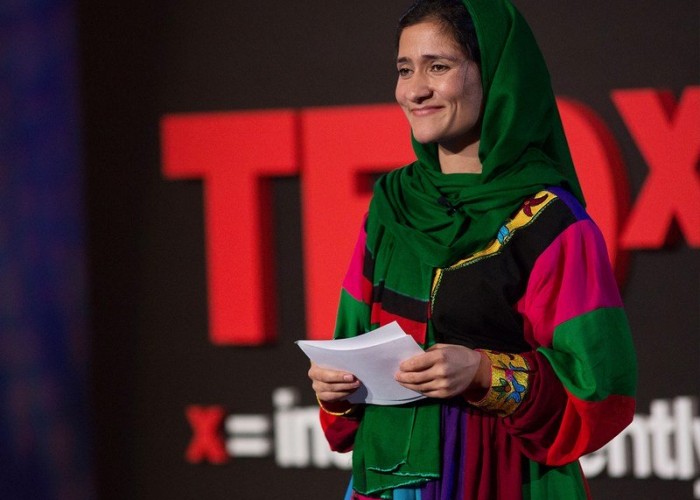
Imagine if going to school meant disguising yourself as a boy, taking a different route each day and covering your books with grocery bags. For Shabana Basij-Rasikh, this was her reality, each and every day. Growing up in a Taliban-ruled Afghanistan where girls were banned from attending school, Shabana’s only option was to go to school in secret. Shabana was considered one of the lucky ones in the country — her parents supported and prioritized her and her sister’s education despite the fatal consequences of doing so. When she was 15, Shabana moved to the U.S. to finish up high schoo