Do women lead, connect and share differently? Subscribe for the latest stories.

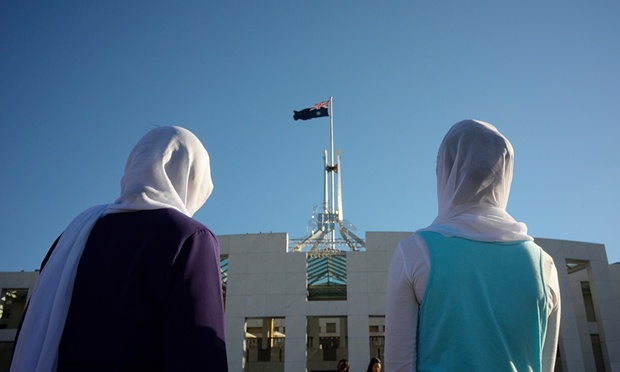
The Taliban orders women to wear head-to-toe clothing in public

Source:
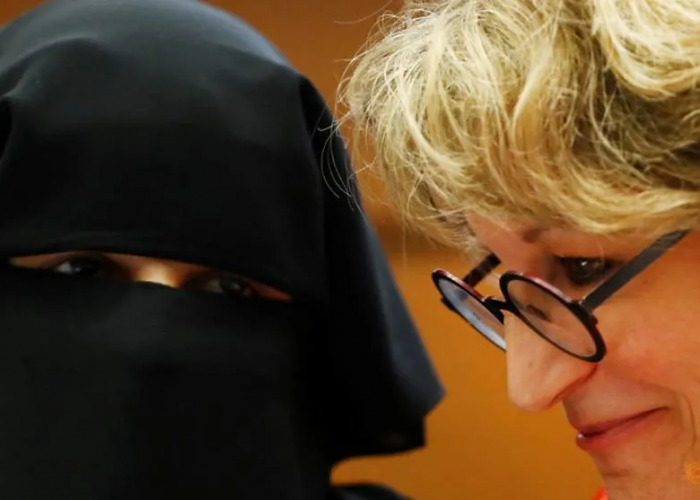
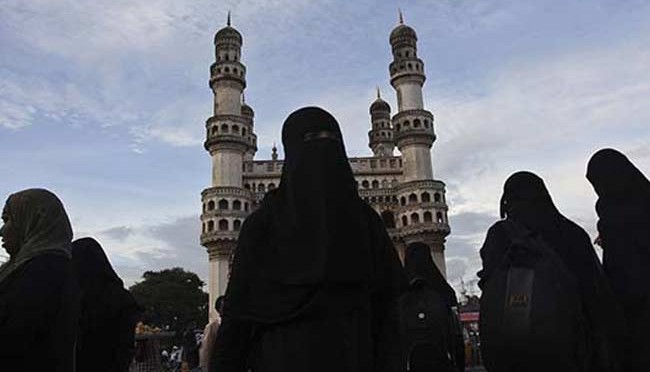
Taliban officials announced that women and girls would be expected to stay home, and if they were to venture out, to cover in all-encompassing loose clothing that only reveals their eyes – preferably, a burka. The restrictions on women's movement and dress are the harshest that the Taliban have announced since they came to power in August. It suggested the increasing dominance of the group's hard-line leaders, who appear to be behind the extended ban on most women and girls attending secondary school. Saturday's announcement seemed to confirm the fears of many Afghans that the Taliban
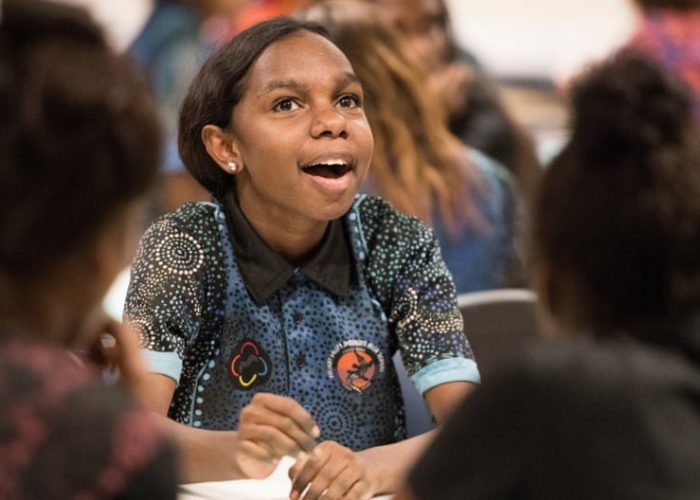
‘Hear us, see us’: a plea to the UN for Indigenous women

Source:
The Aboriginal and Torres Strait Islander social justice commissioner has used a speech to the UN in Geneva to demand the federal government take action on the rising rates of Aboriginal women in jail. Aboriginal and Torres Strait Islander women represent 2% of Australia’s female population but make up 34% of all women in prison, June Oscar told the Human Rights Council on Friday. “The root cause is that Indigenous women continue to experience disproportionate levels of trauma and intersecting forms of discrimination which cut across lines of race, gender and socioeconomic status,”

First woman detained for radicalism in singapore released with restrictions

Source:
Syaikhah Izzah Zahrah Al Ansari, the first woman detained for radicalism under the Internal Security Act (ISA) in Singapore, has been released. In a press release on Tuesday (Jun 25), the Ministry of Home Affairs said Izzah, now 24, was released from detention with restrictions when her Order of Detention (OD) expired in June. She was among four Singaporean ISA detainees who had "shown good progress in their rehabilitation", said MHA, and had been "assessed to no longer pose a security threat that require preventive detention". Izzah, a former infant-care assistant with the PAP Commun

Woman Stabbed 23 Times in Pakistan Wins Appeal Against Assailant’s Acquittal

Source:
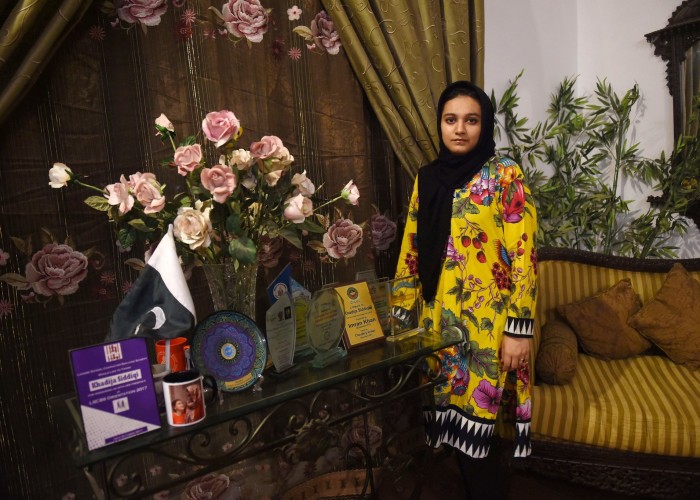
The Pakistan Supreme Court on Wednesday overturned the acquittal of a man accused of stabbing a woman 23 times, nearly three years after the attack prompted a national debate on violence against women. Chief Justice Asif Saeed Khosa, leading a three-member panel, reinstated the conviction of Shah Hussain, accepting an appeal from Khadija Siddiqi, who survived the attack in Lahore in May 2016. Ms. Siddiqi said that Mr. Hussain, a former classmate, had attacked her after she rebuffed his romantic overtures. Mr. Hussain was rearrested in the courtroom on Wednesday. Ms. Siddiqi, a 24-ye

Uttar Pradesh’s first woman qazi demands immediate ban on practice of triple talaq

Source:
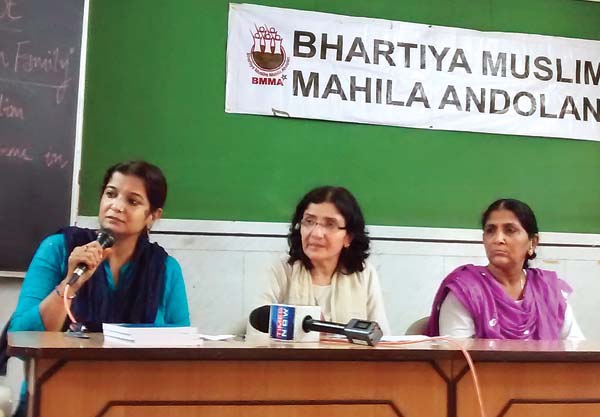
Supporting the Bharatiya Muslim Mahila Andolan’s move to demand a ban on triple talaq and dubbing it as ‘misinterpretation of ‘ayats’ (verses), Uttar Pradesh’s first woman qazi Hina Zaheer Naqvi on Wednesday urged Prime Minister Narendra Modi-led government to intervene into the matter and demanded an immediate ban on the practice. Naqvi said oral talaq has been widely misused, adding this puts a Muslim women’s life at risk as it is promoting more and more divorces. “I strongly oppose triple talaq. Even Quran, the central religious text of Islam, does not give any instructi

Pakistan province passes landmark law protecting women against violence

Source:
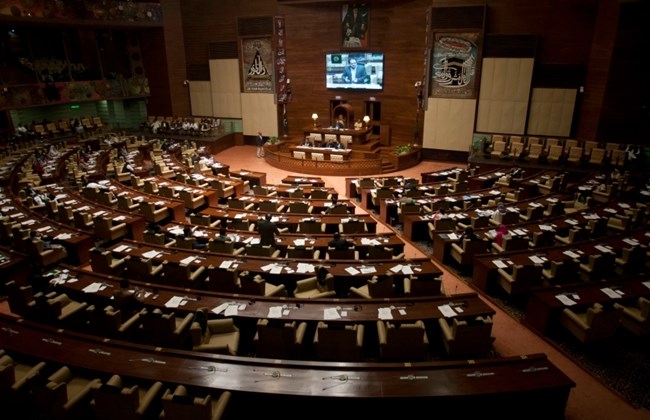
Lawmakers in Pakistan's largest province on Wednesday gave unprecedented protection to female victims of violence, in a bid to stem a rising tide of gender-related abuse in a country ranked as the world's third most dangerous place for women. The new law criminalizes all forms of violence against women, whether domestic, psychological or sexual, and calls for the creation of a toll-free abuse reporting hot line and the establishment of shelters. Muslim-majority Pakistan, home to roughly 190 million people, sees thousands of cases of violence against women every year, from rape and acid a

Hindu women can be legal head of the family, Indian court rules

Source:
In a landmark decision, a New Delhi court has ruled that women can be the “karta” — meaning the legal head of a family, according to ancient Hindu customs — a position previously reserved for men only. The “karta” occupies the superior position in a family and takes full control over property, rituals and other family affairs. The ruling came about after the daughter of a business family, whose father was the eldest of four brothers, had filed a lawsuit against one of her cousins who claimed that he was now the rightful karta. The high court justified its decision as the logical

Court: Gender bias in Muslim personal law is unconstitutional

Source:
India’s Supreme Court wants to amend the Islamic personal law that governs Muslims in the country and remove provisions in it that are biased against women. The Court says that some parts of the law are unconstitutional because they are discriminating on the basis of sex. The Islamic personal law allows polygamy and the triple talaq system (which permits the man to immediately and unilaterally divorce his wife.)  Women are also discriminated against in succession and inheritance of property. India has separate personal laws for each religion that govern marriage, succession, adoption

Nearly all India’s Muslim women reject ‘triple talaq’, polygamy, survey finds

Source:
More than 90 percent of Muslim women surveyed in India want the "triple talaq" divorce ritual and polygamy banned from family civil law in the country, a study by a women's rights organisation said on Friday. The Bharatiya Muslim Mahila Andolan (BMMA) said its survey also showed that three quarters of interviewees wanted a ban on child marriage, indicating a need for reforms in the Muslim personal law which governs family-related issues in India. Activists say the current law discriminates against women and are calling for a well-defined Muslim law that criminalises polygamy, unilateral

Study: 89% Muslim women want government hand in codification of law

Source:
Around 89% Muslim women feel that the government should intervene and help in codification of law and 86% want religious leaders to take responsibility of justice for them. This and many other findings have come out in a study conducted by Bharatiya Muslim Mahila Andolan (BMMA), an organisation that looks to take up rights of Muslim women in particular and women in general. Among the other major findings is that an overwhelming percentage of women (95.5%) from the sample study have not heard about the All India Muslim Personal Law Board (AIMPLB). Formed in 1985, AIMPLB is often considered t

Muslim women ‘made more vulnerable to violence by anti-terrorism laws’

Source:
The introduction of anti-terrorism laws in Australia has made Muslim victims of family violence afraid to contact authorities for protection, an advocacy group says. Victoria’s Royal Commission into Family Violence was due to hear from the Australian Muslim Women’s Centre for Human Rights on Tuesday. The organisation said in its submission Muslim women were “invisible” in the debate over family violence. This was compounded by Muslims being made to feel their community was being targeted or treated unfairly by authorities under anti-terrorism laws.

Read the world's local women's news


How does Femina work?

  • Step 1
    1
    Local Country Editors From Around the World
  • Step 2
    2
    Choose News Articles From Their Countries’ Local Language Papers
  • Step 3
    3
    Summarize & Contextualize The Stories In English

Got it!

Swipe for more Top Stories


Got it!