Do women lead, connect and share differently? Subscribe for the latest stories.

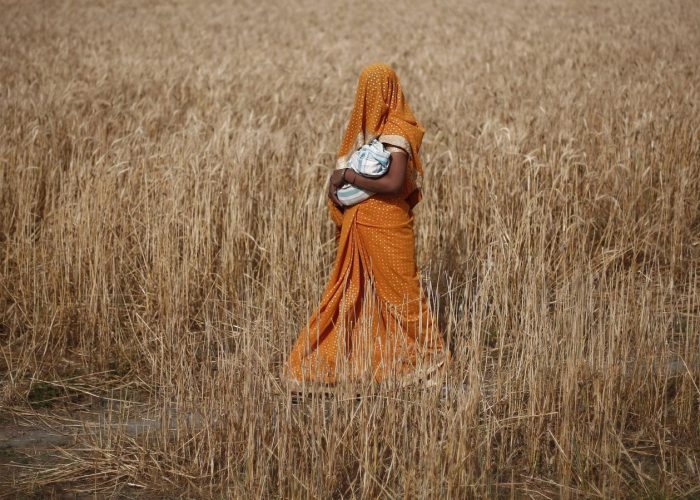
Between domestic chores and agricultural work, rural Indian women have no time for child-rearing

Source:
Working in agriculture-related jobs brings financial freedom to Indian women, but it comes at a cost. Intense work leads to stress and compromises in care responsibilities towards children and also affects the women’s own health, according to recent research published by the Institute of Development Studies (IDS). “Women’s work in agriculture seems to have a negative effect on household nutrition through two pathways: lack of adequate time for care work in peak agricultural seasons and seasonal energy with consequent losses in body weight,” the study notes. “Recognition of women
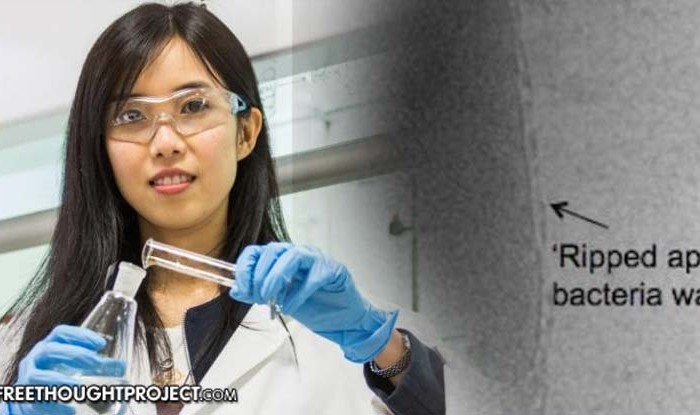
25-Year-Old Student Discovers Way to Kill Superbugs WITHOUT Antibiotics — Science Freaks Out

Source:
The outlook for humanity is, indeed, bleak. However, thanks to a handful of research students from the University of Melbourne School, we may have hope after all. Ph.D. student Shu Lam, the study’s lead researcher, believes they’ve found a way around antibiotic dependency in the battle against bacteria. “We’ve developed a new class of antimicrobial agents, which are very unique. They come in the form of tiny star-shaped molecules that are made from short chains of proteins,” Lam told VICE. “We found that they are very effective at wiping out [bacterial] infections in mice and

One in five women giving birth in Australia are 35 or over, data shows

Source:
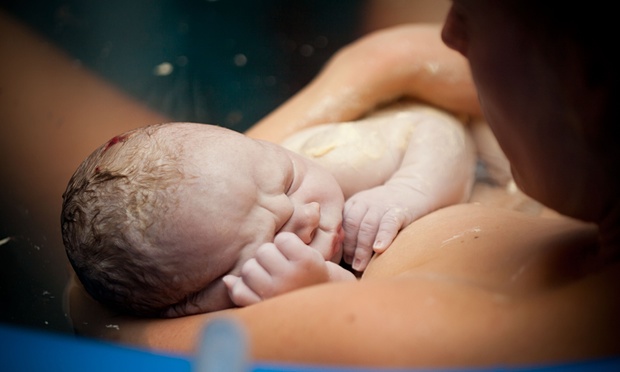
More than one in five women giving birth in Australia are now aged 35 or over, the latest official figures show. The latest birth data from the Australian Institute of Health and Welfare shows the proportion of mothers aged 35 and older who gave birth increased by four percentage points to 22% in the decade to 2013. Women who gave birth aged under 24 decreased from 19% to 17%; 30.1 years was the average age in 2013, up from 29.5 years a decade earlier. First-time mothers had an average age of 28.6 years, up from 27.8 years in 2003, the data shows.

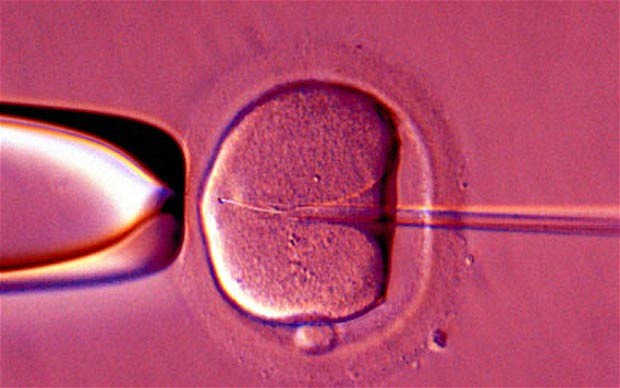
IVF hope for older women, as Adelaide scientists make ‘damaged’ eggs good again

Source:
Women over the age of 35 are more likely to have 'old' or 'damaged' eggs, which will not go on to make embryos in IVF treatment. Now scientists at the University of Adelaide's Robinson Research Institute have discovered a way to make the 'old' eggs viable again, by injecting them with haemoglobin. It offers new hope for the increasing number of older women seeking IVF treatment. Transcript: MICHAEL BRISSENDEN: Scientists in Adelaide have made a research breakthrough that may give women a better chance to become mothers later in life. The team at the Robinson Research Institute have fo

78% Mumbai women at risk of developing heart disease: Study

Source:
Around 78% of women in Mumbai are at risk of heart disease because of increased belly fat, reveals a pan India study. The report also said that more than 60 per cent of urban India females in the age group of 30 to 45 years are at risk of being affected by cardiovascular diseases (CVDs). With 89% of women at risk of CVDs in Mumbai falling in the overweight/obese category, the results of the study has revealed some alarming statistics. The Saffolalife study 2015 — conducted in 10 leading metro and non-metro cities of India — had 1,299 urban Indian females participation in the age group 3

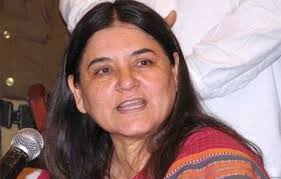
Maneka Gandhi wants working women to get 8 months maternity leave

Source:
Minister for Women and Child Development Maneka Gandhi wants to raise maternity leave to eight months from three months, reports a leading daily. The Ministry has sent the proposal to the Cabinet Secretariat for a discussion in the Committee of Secretaries. "This matter was taken up by our minister with the Prime Minister and he is also very interested, so we are sending a copy to him," Nutan Guha Biswas, WCD additional secretary said to the daily. The ministry has also asked the Labour ministry that the maternity benefit provisions to working women both in organised and unorganised sect

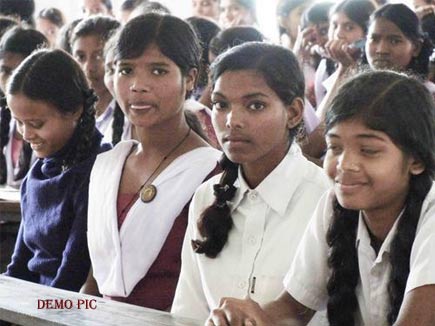
200 girls leave school due to lack of toilets

Source:
More than 200 girls have discontinued their studies at a government-run residential school (boarding school) in the Indian state of Jharkhand, citing lack of toilets and harassment from local boys. The Kasturba Gandhi Awasiya School was set up to promote education among girls in rural areas. The hostel of the school, where 220 girls were provided accommodation, had just five toilets. The girls say that they often had to heed nature’s call in the open as there weren’t enough facilities for them to use.

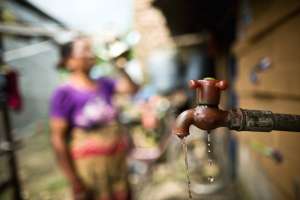
Nepali women at the forefront of improving community water, sanitation services

Source:
In Nepal, women and girls are the primary collectors, transporters and managers of the household water supply. Water sources in many areas are located far from their houses, and although the situation has improved over the last decade, women in remote rural areas must walk for 4-5 hours just to fetch water. Women are also responsible for family hygiene and sanitation in villages where houses often lack toilets and open defecation is practiced, making residents—and especially children—susceptible to water-borne and sanitation related diseases. Women’s exclusion from community resou

Lessons from India on improving women and children’s health

Source:
Simple interventions such as using community workers to promote breast-feeding in villages have helped India improve the health of its women and children and could be good global examples, say aid workers, citing early findings from a U.N.-backed survey. The Rapid Survey on Children, conducted by the ministry of women and child development and supported by the U.N.’s children’s agency, UNICEF, is the first national survey on child and maternal health in India in the last decade. The findings – yet to be verified by the government – reveal that while indicators such as child malnu

Addressing the baby boom: Women’s reproductive health an urgent issue

Source:
Secretary Health Mushtaq Jadoon said the reproductive health of women is one of the most important issues in the region that should be paid immediate attention. Organisations have been working on development issues related to women, but “This is a crucial time to start focusing on issues pertaining to their (women’s) health,” Jadoon said during a press briefing held for World Population Day at the Health Secretariat on Friday. He said 270 union councils across the province lack basic health facilities or are located in remote areas. However, the government is working on establishing

40% of girls miss school due to lack of appropriate restrooms

Source:
As much as 40 percent of girls choose not to go to school for an average of three days each month when they have their period because there are no appropriate restroom facilities, according to a study by the International Center for Diarrhoeal Disease Research, Bangladesh (ICDDR,B). The National Hygiene Baseline Survey says that menstrual hygiene is a serious challenge for girls in Bangladesh due to a lack of understanding and general education about it.

Anti-depressant use during menopause ‘raises risk of broken bones’

Source:
Women who take common anti-depressants to counter the impact of menopause may have a 76 per cent higher risk of broken bones, scientists warn. The risk appears to last for several years after women take the drugs, leading to calls for doctors to reduce the period for which they are prescribed. For many women, the onset of the menopause triggers mood changes and depression, and each year thousands are prescribed a type of anti-depressant called SSRIs - selective serotonin reuptake inhibitors, the best known of which is Prozac. The drugs are also sometimes prescribed to help women cope

Women Lead on Conservation in Nepal

Source:
Helping others be healthy is only one of the responsibilities Devi KC has taken on in her remote village, where she serves as a community health volunteer. She is 35 years old, and one of approximately 50,000 people trained in everything from sanitation and nutrition to modern hygiene. Devi lives in Khata, within the long, narrow Terai Arc landscape, which spans nearly 20,000 square miles of northern India and southern Nepal. The region holds endangered one-horned rhinos, elephants and the world’s largest concentration of tigers. Communities here depend on the forest for food, water and s

A Bindi That Delivers Nutrition To Poor Women In India

Source:
The bindi—a commonly worn symbol of beauty in India—is now more than a fashion symbol. A health foundation has turned it into an iodine patch that could save lives. In India, iodine deficiency is huge problem for the country’s poor, causing preventable brain damage and lower IQ in children, complications during pregnancy for mothers, and contributing to diseases like breast cancer. Because there is little iodine in India’s soil—and therefore in its food—the country supplements its salt with the vital micronutrient. But according to a 2013 study, an estimated 350 million people d

Read the world's local women's news


How does Femina work?

  • Step 1
    1
    Local Country Editors From Around the World
  • Step 2
    2
    Choose News Articles From Their Countries’ Local Language Papers
  • Step 3
    3
    Summarize & Contextualize The Stories In English

Got it!

Swipe for more Top Stories


Got it!