Do women lead, connect and share differently? Subscribe for the latest stories.

Nepali women at the forefront of improving community water, sanitation services

Source:
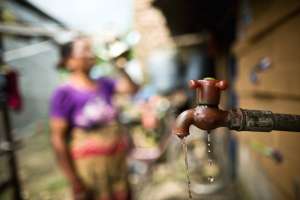
In Nepal, women and girls are the primary collectors, transporters and managers of the household water supply. Water sources in many areas are located far from their houses, and although the situation has improved over the last decade, women in remote rural areas must walk for 4-5 hours just to fetch water. Women are also responsible for family hygiene and sanitation in villages where houses often lack toilets and open defecation is practiced, making residents—and especially children—susceptible to water-borne and sanitation related diseases. Women’s exclusion from community resou
Women Lead on Conservation in Nepal

Source:
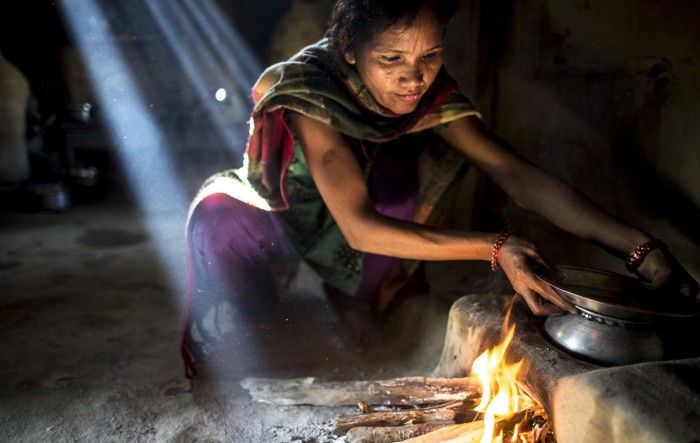
Helping others be healthy is only one of the responsibilities Devi KC has taken on in her remote village, where she serves as a community health volunteer. She is 35 years old, and one of approximately 50,000 people trained in everything from sanitation and nutrition to modern hygiene. Devi lives in Khata, within the long, narrow Terai Arc landscape, which spans nearly 20,000 square miles of northern India and southern Nepal. The region holds endangered one-horned rhinos, elephants and the world’s largest concentration of tigers. Communities here depend on the forest for food, water and s

Read the world's local women's news


How does Femina work?

  • Step 1
    1
    Local Country Editors From Around the World
  • Step 2
    2
    Choose News Articles From Their Countries’ Local Language Papers
  • Step 3
    3
    Summarize & Contextualize The Stories In English

Got it!

Swipe for more Top Stories


Got it!