Do women lead, connect and share differently? Subscribe for the latest stories.

Women take record number of university places

Source:
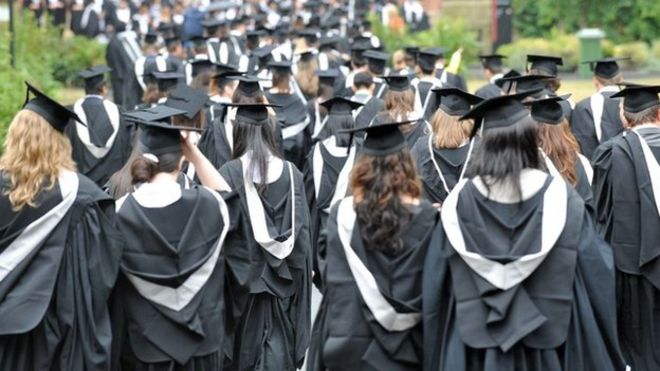
Women are 35% more likely to go to university than men, the widest gap so far, according to annual entry figures. The Ucas admissions service says record numbers - 532,300 students - began courses in UK universities this autumn. But there were wide regional variations - with youngsters in London 40% more likely to enter university than those in south-west or north-east England. Ucas chief Mary Curnock Cook said poor white males should now be the focus of "outreach efforts". The annual statistics from Ucas show the complete picture of university applications for those starting courses
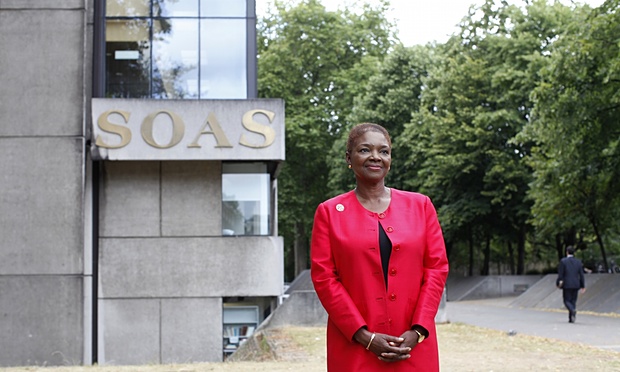
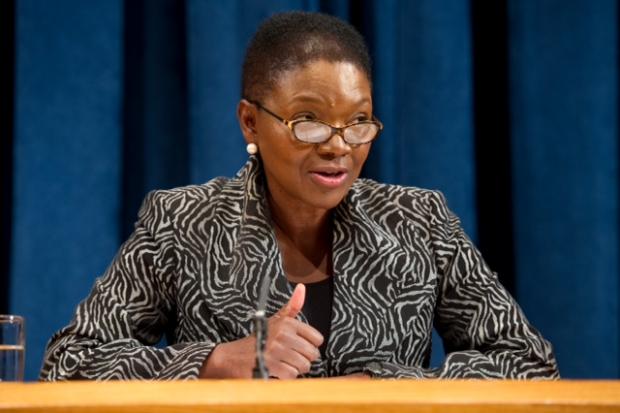
Baroness Amos: I was taken aback when I found out I was the first black female head of a university

Source:
Making history as the first black woman to lead a British university causes mixed emotions for Valerie Amos, who is honoured by her appointment but dismayed that the breakthrough has taken so long. The baroness, a former Labour minister, expresses concern at the lack of diversity in higher education, referring to the scarcity of black academics and the struggle of students of African and Caribbean heritage to succeed at university. Figures showing that only 85 of the UK’s 18,500 professors are black are alarming, she says. “I was taken aback when I found out I’d be the first black

UK gains its first-ever female black university leader

Source:
The UK has gained its first-ever female black university leader in the form of Baroness Valerie Amos. In its most recent statistical report, the Equality Challenge Unit found almost 70 per cent of senior academic managers are white males – with nearly 16 per cent of this group at professor level. In stark contrast, the report found only 2.8 per cent of black and minority ethnic female academics were employed at even professor level. Now, the senior United Nations official and former Cabinet minister is set to break the mould and take charge at SOAS, University of London

Oxford’s first female vice-chancellor won’t end gender inequality on her own

Source:
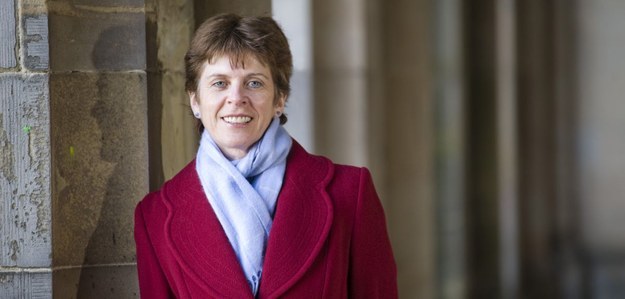
The appointment of Louise Richardson as vice-chancellor of the University of Oxford is a watershed moment for British academia. Women occupying such strategic positions are important for symbolic and substantive reasons. They not only serve as role models for female students, but could facilitate institutional change by improving recruitment, retention, and the advancement of women within professorial ranks. Currently in UK universities, men still outnumber women by a margin of four to one in senior academic positions, while women are over-represented in lower teaching grades and temporary

Oxford University To Appoint First Female Vice-Chancellor In Nearly 800 Years

Source:
Oxford University announced this week its nomination of Professor Louise Richardson for the school’s most senior role of vice-chancellor, who, if approved, will be the first woman to hold the position in the university’s nearly 800-year history. Should the Oxford Congregation approve Richardson, she will take over from Professor Andrew Hamilton on January 1, 2016, and retain the position for seven years. Richardson, currently the vice-chancellor of Scotland’s St. Andrews University, told the Guardian that she was honored by the nomination. “I look forward to the day when a woman bei

Five things I learned as women’s officer

Source:
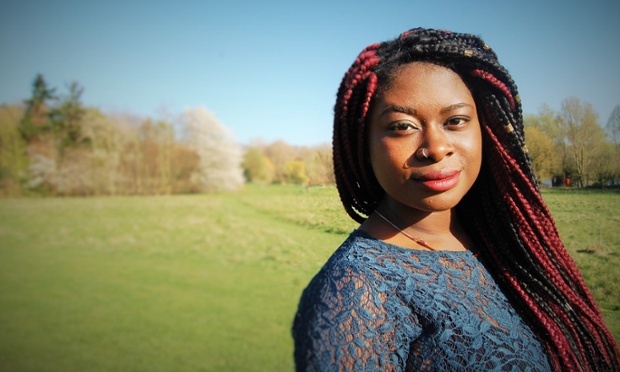
‘Inspirational woman student of the year’ Dolly Ogunrinde explains what she learned from her role as women’s officer at UEA There’s power in collective action Sanitary products are currently taxed at a “luxury” rate of 5%. However, everyone I have asked agrees that they are definitely essential to those who have periods. I decided to present a motion at union council in favour of selling sanitary products at a profit-free price in my university’s union shop. The motion was passed, almost unanimously, and students can now buy sanitary products on campus for as little as 59p.

Read the world's local women's news


How does Femina work?

  • Step 1
    1
    Local Country Editors From Around the World
  • Step 2
    2
    Choose News Articles From Their Countries’ Local Language Papers
  • Step 3
    3
    Summarize & Contextualize The Stories In English

Got it!

Swipe for more Top Stories


Got it!