Do women lead, connect and share differently? Subscribe for the latest stories.

Advancing Sexual Health and Rights for Liberia’s Next Generation

Source:
In Liberia, cultural norms, patriarchy, and government inaction all puts girls at risk. Discussing sex is considered taboo, which keeps girls disempowered and puts them at risk for exploitation by men in positions of authority (such as teachers). While the government has passed laws that support and affirm the sexual and reproductive health rights of girls and women, these laws often directly contradict accepted cultural practices, and implementation of the laws aren’t well enforced. (For example, the Children’s Act—which guarantees the rights of children and specifically addresses issue
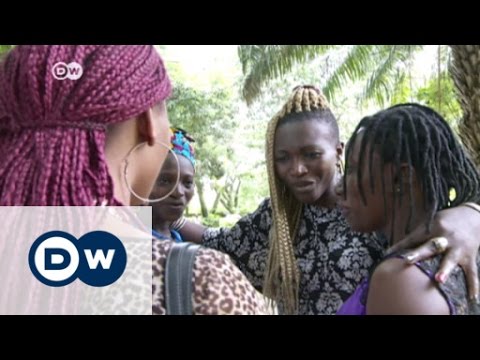
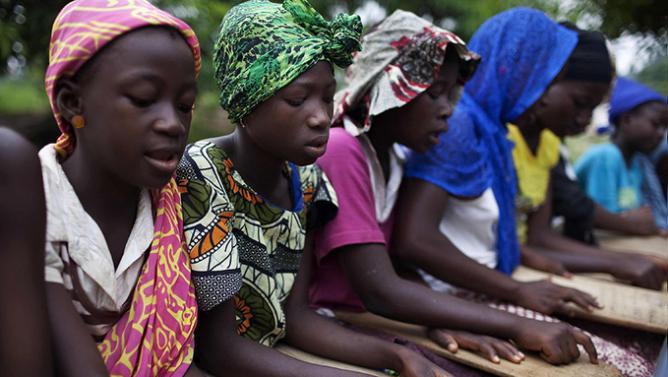
A voice for Guinean women

Source:
In West Africa, the thriving music business is dominated by men. But one female singer in Guinea is helping women improve their prospects. Sayon Bamba has started an academy where young women receive musical training. The academy also gives the women the opportunity to earn some money instead of working as vendors or engage in prostitution.

Sierra Leone girls forced into ‘degrading’ pregnancy tests

Source:
Thousands of schoolgirls in Sierra Leone have been forced to undergo humiliating and degrading public pregnancy tests since the government banned pregnant girls from attending mainstream schools and taking exams, Amnesty International said on Friday. Girls have had their breasts and stomachs felt by teachers and nurses in front of their peers and been forced to take urine tests, which has discouraged many girls from going to school, whether they are pregnant or not, according to the rights group. A ban on pregnant girls attending school has informally existed for a decade, but it was dec

Kenya’s Water Women

Source:
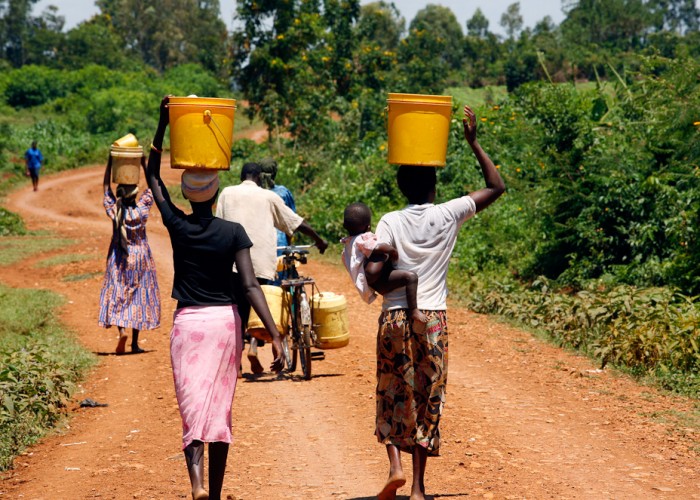
Across the world, almost 1.2bn people live in areas where water is physically scarce and this has an enormous impact on the quality of life. Without clean water, communities suffer from recurrent diarrhoea and other debilitating or fatal diseases which, together with the time spent going to collect it, means a significant amount of time for education and employment is lost. Collectively, women in 25 countries in sub-Saharan Africa spend at least 16 million hours each day collecting drinking water. So, how could things be different? In this film we head to the western Kenyan town of

GHANA: 7,256 Girls Drop Out of School in Region

Source:
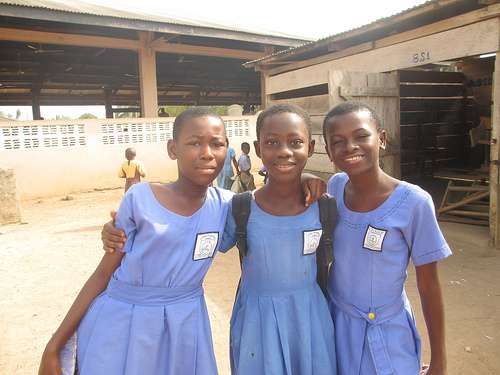
Information reaching The Chronicle the indicates that 7,256 girls, representing 33.69 percent from six districts in the Eastern Region, dropped out of basic school between the 2010 and 2012 academic years. The districts are Ayensuano, Upper Manya, Birim North, Upper West Akim, and Kwahu Afram Plains North and South. According to statistics available, of the 21,537 girls who enrolled in Junior High School 1 (JHS) in 2010, only 14,281 sat for the Basic Education Certificate Examination (BECE) in 2012, with the 7,256 becoming dropouts in the six districts. Though the Regional Coordinator

teen girls code their way to a brighter future

Source:
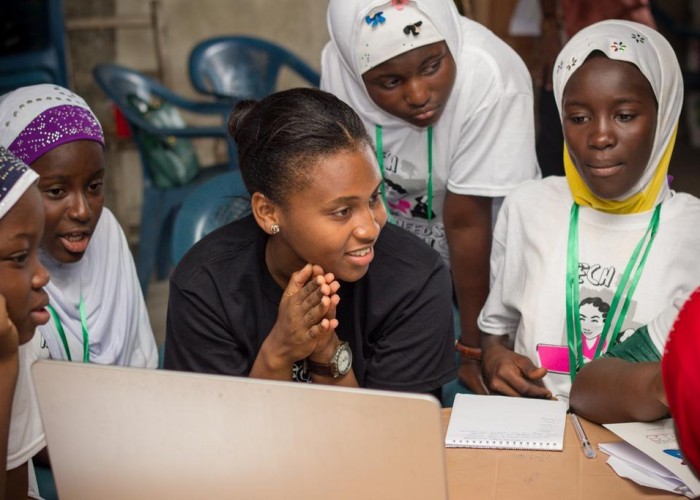
Every week in the heart of Nima, a slum in the Ghanaian capital of Accra, families congregate at a local mosque. When the time comes, young girls say goodbye to their loved ones and part ways, filing up concrete steps leading up to the floor above. There, inside a large room dotted with brown tables, rows of flashing computer screens await for them. "When the parents are praying [downstairs], we are teaching the girls upstairs," explains tech entrepreneur Regina Agyare, who comes here every week to teach local teens how to code. I decided to set up a coding club and started having reg

In Nigeria, inspiring women leaders have emerged through improving rural sanitation and hygiene

Source:
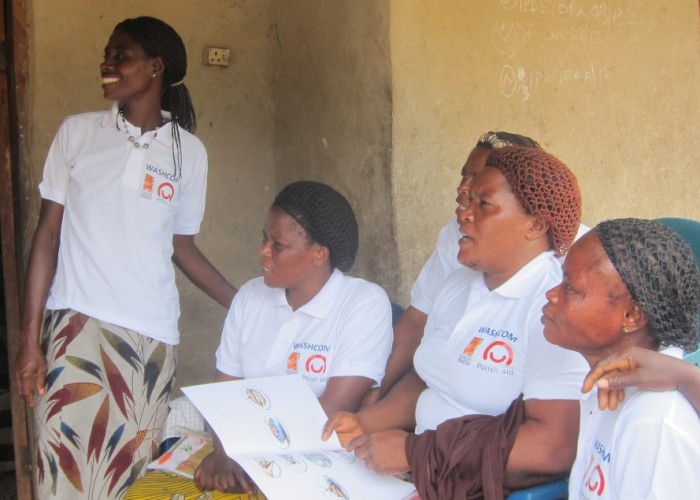
Concern Universal, the Nigerian Government and WSSCC’s Global Sanitation Fund are working in partnership through the ‘Rural Sanitation and Hygiene Promotion in Nigeria’ (RUSHPIN) programme. This process also opens the door for women to become powerful agents of change. Through the CLTS approach, hundreds of women from rural communities across southeastern Nigeria are taking the lead in championing sanitation and hygiene. Here are a few of the inspiring women and how they are transforming the health of their communities:

Read the world's local women's news


How does Femina work?

  • Step 1
    1
    Local Country Editors From Around the World
  • Step 2
    2
    Choose News Articles From Their Countries’ Local Language Papers
  • Step 3
    3
    Summarize & Contextualize The Stories In English

Got it!

Swipe for more Top Stories


Got it!