Do women lead, connect and share differently? Subscribe for the latest stories.

Nigeria police rescue 19 young women, girls from ‘baby factory’

Source:
Nigerian authorities said Monday that 19 girls and young women who were abducted and impregnated by captors who planned to sell their babies have been rescued. Lagos police spokesman Bala Elkana said the victims and four babies were rescued from four locations in Lagos, Nigeria’s largest city. The victims, aged between 15 and 28, are mainly from eastern Nigeria. They told police they were tricked into coming to Lagos with the promise of jobs. Nigeria has a high number of syndicates that keep young women to produce babies for sale – a scheme locally termed "baby factories." The p

Advancing Sexual Health and Rights for Liberia’s Next Generation

Source:
In Liberia, cultural norms, patriarchy, and government inaction all puts girls at risk. Discussing sex is considered taboo, which keeps girls disempowered and puts them at risk for exploitation by men in positions of authority (such as teachers). While the government has passed laws that support and affirm the sexual and reproductive health rights of girls and women, these laws often directly contradict accepted cultural practices, and implementation of the laws aren’t well enforced. (For example, the Children’s Act—which guarantees the rights of children and specifically addresses issue

Merck Wants To ‘Empower’ Infertile Women In Africa. Can Music Videos Help?

Source:
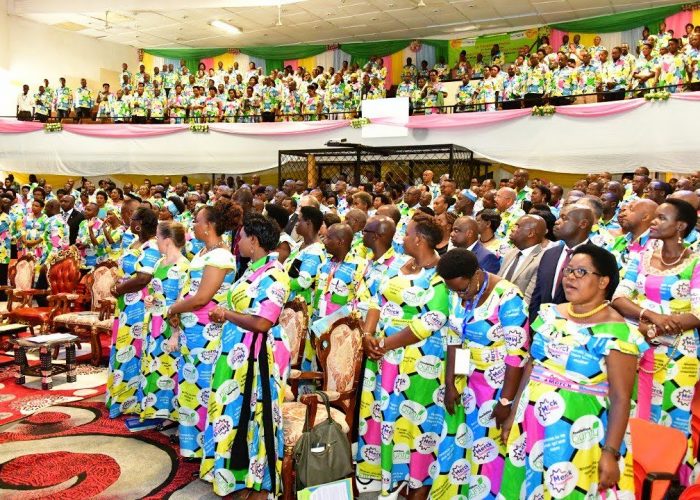
In June, an unusual email arrived in the inbox of an NPR global health correspondent. The headline was: "Merck Foundation together with First Lady of Burundi release 'Plus Qu'une Mere' an empowering French Song as courtesy to all infertile women in Burundi and Africa." The email had a link to a video of a performance with an all-female choir. Wearing traditional African clothing printed with the Merck Foundation's logo, they sing a song with lyrics that encourage people not to blame women for infertility. They're performing before an audience of maybe a hundred people, most of them in

The fallout from a church rape scandal shows the harsh reality of being a woman in Nigeria

Source:
On Sunday, June 30, Nigerian women organized a protest against sexual violence in the church following recent allegations by the wife of a popular singer that the Commonwealth of Zion Assembly (COZA) general overseer pastor Biodun Fatoyinbo raped her when she was 17 years old. Nigerian women have had a lot to protest lately. In May, there were significant protests after mass arrests of women in clubs and bars at night for alleged prostitution in Abuja, the federal capital city. It’s worth noting none of the men who were apparently being solicited shared the same fate. Soon after their

‘Stop Touching Us’: Women Protest Against Harassment At Nigeria’s Street Markets

Source:
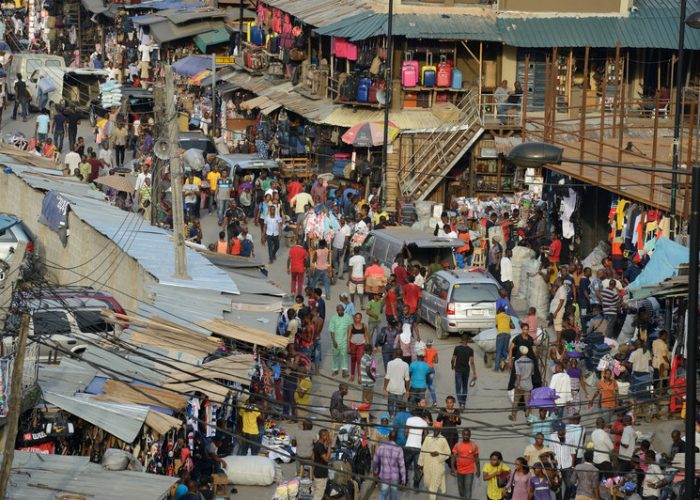
In a poll of 105 women from February 2019, The Guardian Nigeria found that three quarters of those surveyed said they had experienced harassment at Nigerian markets. The traders say that's just the way they drum up business. "We are hustlers, so sometimes we need to touch," says Victor Robinson, who sells ladies' trousers at Yaba. But now there's pushback. Last October, Damilola Marcus started the Market March Movement to bring an end to sexual harassment at Yaba and other markets across the country.

Inside the Umoja community in Kenya where women rule — and men are banned

Source:
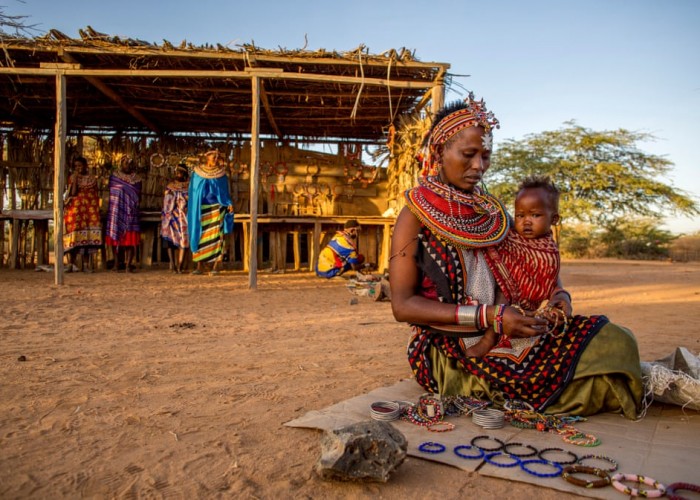
In a part of Kenya where women are often culturally regarded as second-class citizens, there is a village where women rule. Samburu is an extremely rural part of Kenya where there is rampant poverty and unemployment. The infant mortality rate is over 35 percent. It's hard enough to be a woman in Samburu, but without a child there, you are regarded as nothing, reports CBS News' Debora Patta. Diana Lekanta proved her worth by having three children – including 6-month-old baby Tau. Like so many women in African countries, where there is poverty, children are your riches. It can come at

Letter from Africa: How ‘cheating husbands’ are linked to Sudan’s protests

Source:
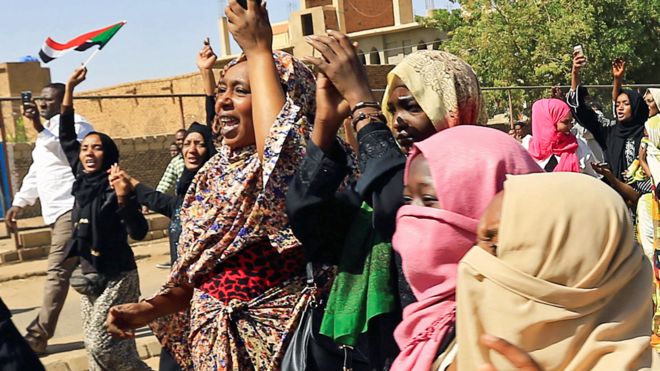
Unprecedented numbers of women are taking to the streets to join daily nationwide protests that erupted in mid-December. Despite a violent crackdown by the security forces and reports of sexual harassment, they remain undeterred. More than 50 people are thought to have died at the hands of security agents and many have been tortured, rights groups say. Yet women make up 70% of marchers at some protests, observers say, defiant in the face of the repressive laws of the conservative, Islamic state.

THESE ARE THE TOP 10 FEMINIST COUNTRIES IN AFRICA

Source:
While it’s difficult to consider women’s history on the continent, without mentioning erasure, most scholars note that regardless of whether the political system stood for them or against, them, African women were always involved in politics. Today, even more women continue to aggressively advocate for their rights while speaking up against gender parity and as such, they are making significant progress in the political landscape due to their resilience and tenacity. Throughout the continent, women continue to emerge as elected presidents, vice presidents and speakers in parliaments,

How Maasai women in Kenya are helping to make your cosmetics

Source:
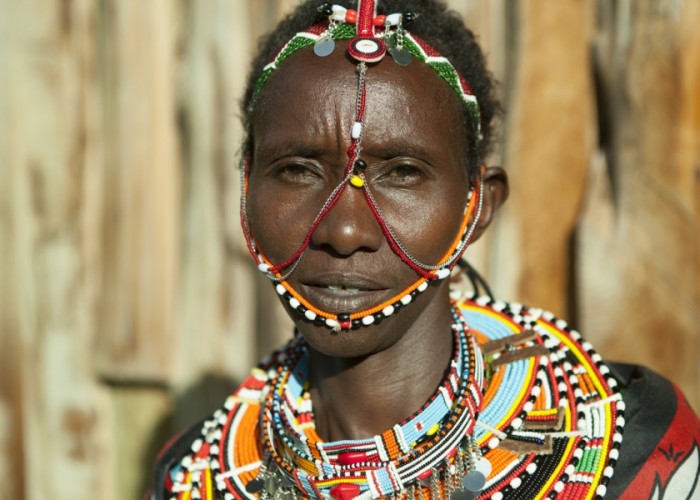
It’s a day-long drive from Kenya's capital Nairobi to Twala in Laikipia County. The last 50 miles is along a dusty road, and then you arrive at the farm of the Twala Cultural Manyatta. It’s oasis-like, and the moment you enter the gate, the fresh smell of greenery strikes a contrast with the aridity you leave behind. Even more striking for me are the two dozen Maasai women lined up in front of the mud wall of their compound, bedecked in brightly colored beaded jewelry. The second my car door opens, they break into song. I had inquired how much press they’ve received. “Not much,

Women pay the price for Zambia mining expansion

Source:
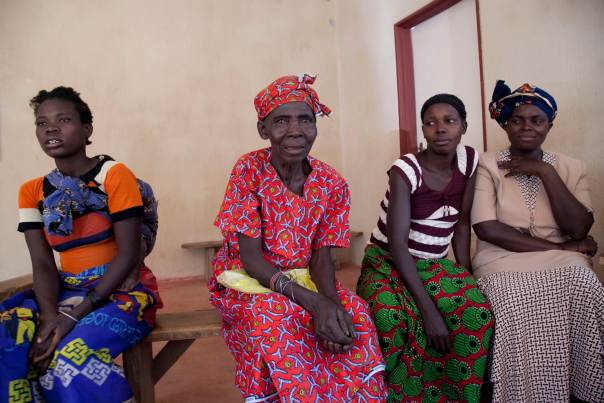
The women sat quietly in a village church in northwest Zambia, the sun slanting down on their colorful Sunday outfits as they told how life had changed since their chief sold a tract of land to a foreign firm for a new copper mine, displacing hundreds of families. "We had a vast land and we could do anything," Seke Mwansakombe, one of the displaced women, told the Thomson Reuters Foundation. "Here we are confined to 40 by 40 meter plots and our movements have been restricted because certain areas are now no-go areas." Kalumbila Minerals Ltd, a subsidiary of Canada-based First Quantum

Women engineers quit over men’s attitudes

Source:
The South African engineering sector has evolved to become more gender-balanced, as employment equity measures increasingly ensure equal opportunities for men and women. That might be the long-term goal of the engineering sector, but it is certainly not the current reality. In 2013, the Engineering Council of South Africa said almost 11% of the total number of engineers registered with the council were women, but that professional women engineers totalled only 4%. Is it that women aren’t pursuing careers in engineering, or is there an underlying issue that challenges the opportuniti

What We Can Learn From Women Living in the “Saddest” Country on Earth

Source:
The last three editions of the World Happiness Report have ranked the small nation of Togo dead last. As I dug into the World Happiness Report and examined the criteria by which countries were ranked, it became painfully clear to me why Togo landed at the bottom of the list. Most of the six dimensions used to measure happiness are tied in one way or another to poverty, which is omnipresent in Togo. Not only are Togo's GDP and life expectancy among the lowest in the world, other measures including social support and generosity are severely limited by a lack of resources. Togo has received this

South Sudanese girls given away as ‘blood money’

Source:
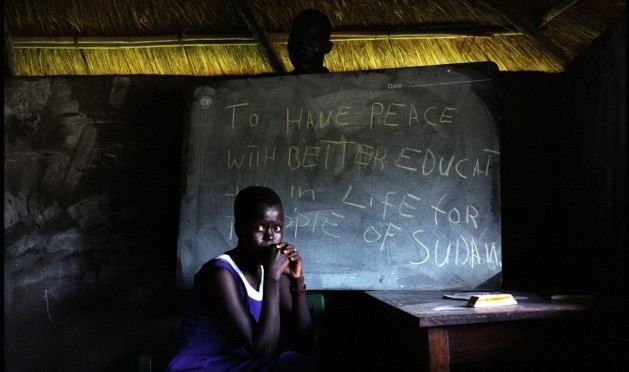
Due to extreme gender inequalities in South Sudan, a large majority of girls in the country are subjected to at least one form of domestic violence in their young lives. They are also three times more likely to die during pregnancy or childbirth than to finish primary education, according to the international children’s development organization Plan International. But young girls in the country’s Eastern Equatoria State suffer a particularly abhorrent practice which is traditional among at least five of the state’s 12 tribes – “blood money” compensation.

A HEMLINE IS NOT A CRIME: 10 Women at risk of flogging for “indecent” clothing

Source:
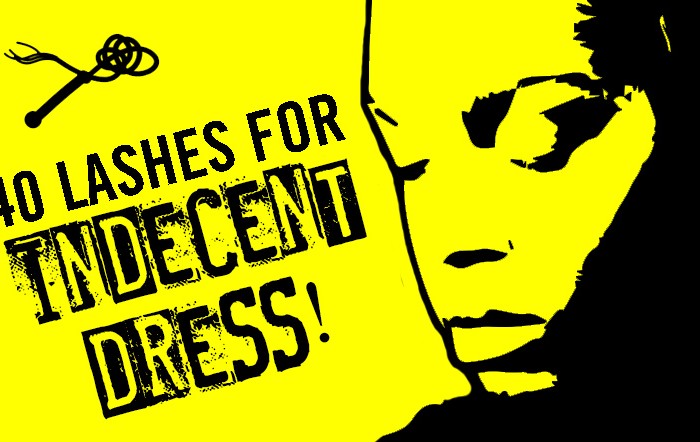
Sudan's Public Order Police have charged 10 female Christian students with 'indecent dress, and subjected them to humiliation during their detention. On June 25, Sudan's Public Order Police stopped 12 female Christian students in front of the Evangelical Baptist Church where they had attended a ceremony. They were wearing trousers and skirts. The students were charged with "indecent dress" under Article 152 of Sudan's 1991 Criminal Act. Two were released. The students were subjected to degrading treatment and humiliating verbal abuse during their detention. They were released on bail on

Read the world's local women's news


How does Femina work?

  • Step 1
    1
    Local Country Editors From Around the World
  • Step 2
    2
    Choose News Articles From Their Countries’ Local Language Papers
  • Step 3
    3
    Summarize & Contextualize The Stories In English

Got it!

Swipe for more Top Stories


Got it!