Do women lead, connect and share differently? Subscribe for the latest stories.

Survey Indicates 97 Percent of Women Were Harassed in Public and Private Transport

Source:
Almost all (97 percent) of Brazilian women over age eighteen who were surveyed, said they had experiences incidents of sexual harassment on public transport, in Apps transport or in taxis, according to research conducted by the Instituto Patrícia Galvão and Instituto Locomotiva, supported by Uber. "It's a compelling number. This is everyday life for women, the very expression of what is happening," said Jacira Melo, executive director of the Patrícia Galvão Institute. In February of this year, the institutes interviewed 1,081 women who used public or private transportation in the thr
Mothers now legally allowed to breastfeed in public

Source:
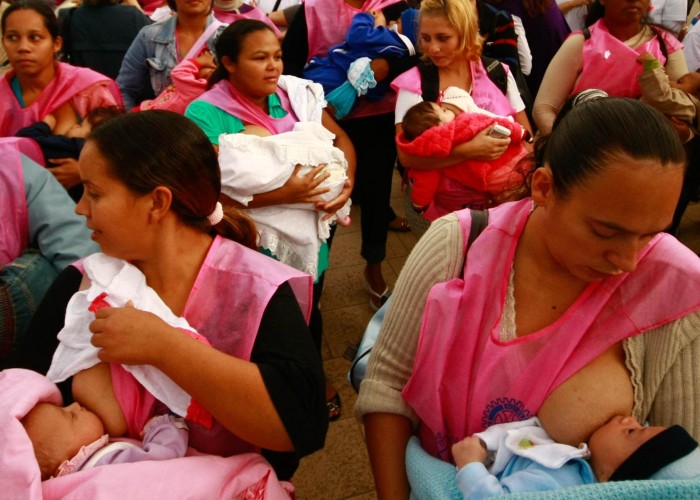
To prohibit mothers to breastfeed in public places in São Paulo is now punishable by a fine of 500 Brazilian reals ($ 130), thanks to a new law. It will penalize shopping centers and recreational places, public or private, as long as they are used by people. The law doesn’t oblige establishments to have a specific area designed for mothers to breastfeed, but they must be allowed to attend to their children if they want to. Each neighborhood authority in the city needs to create a specific email for complaints of this nature, which will be further investigated.

Brazil’s tough laws on violence against women stymied by social norms

Source:
In a bid to improve matters, in March Brazilian president Dilma Rousseff launched a zero tolerance policy towards violence against women and girls. The penal code was changed to include femicide – defined as any crime that involves domestic violence, discrimination or contempt for women, which results in their death. And tougher sentences were introduced of between 12 to 30 years’ imprisonment for violence charges. Longer jail terms were brought in for crimes committed against pregnant women, girls under 14, women over 60 and women and girls with disabilities. It was a major great st

São Paulo to fine people who oppress women breastfeeding in public

Source:
São Paulo, the most populous city in Brazil and in the Americas, has just passed a new law punishing people who try to inhibit or persecute women who are breastfeeding in public. The violators will be fined 500 Brazilian reals ($160). The new law comes after several publicized incidents that angered parents and that motivated a new kind of protest — the mamaço — the “great breastfeeding act.” It’s a demonstration in which many mothers gather in public and breastfeed their babies.

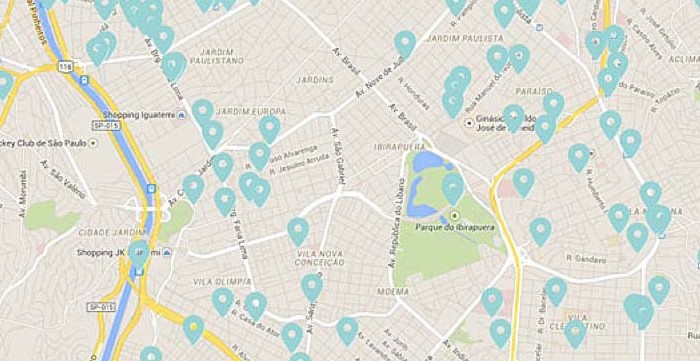
‘Enough with the catcalls’: Meet the woman making a street harassment map

Source:
The site started in São Paulo but has gone nationwide. It's had such a dramatic response that in 2014 the Clinton Foundation and Cosmopolitan magazine selected her as one of eight women smashing the glass ceiling around the world. Juliana, who runs a blog with three other women, hopes the map will now spread to other countries. For Juliana, the watershed came when a friend posted a Facebook rant about being hassled on the streets. “I was blown away," she says. "It was the first time in my life that I'd seen someone speaking about this kind of thing publicly. And after five minutes

Pro, anti-Dilma protests swamp Brazil – Who’s right?

Source:
More than two million people attended massive street demonstrations in Brazil over the last two days. One day was organized by President Dilma Rousseff supporters and the other day was facilitated by opponents. The anti-Dilma demonstrators marched to express their frustration with the widespread corruption in Brazil, primarily the scandal involving government-controlled oil giant Petrobras. Rouseff was the chairwoman of the company from 2003 to 2010.

Brazil passes femicide law to tackle rise in gender killings

Source:
Brazil, where a woman is killed every two hours, is imposing tougher punishments on those who murder women and girls, as part of a government bid to stem a rise in gender killings. President Dilma Rousseff said the new law gave a legal definition to the crime of femicide – the killing of a woman by a man because of her gender – and set out jail sentences of 12 to 30 years for convicted offenders. The law also includes longer jail terms for crimes committed against pregnant women, girls under 14, women over 60 and people with disabilities. Brazil joins 15 other Latin American count

Anti-Rousseff protests draw 1.5 million across Brazil

Source:
About 1.5 million protesters hit the streets across Brazil on Sunday in a major show of anger against leftist President Dilma Rousseff, who faces a growing number of crises from a faltering economy to a massive corruption scandal at state oil giant Petrobras. Many called for the impeachment of Rousseff, less than six months after she was narrowly returned to power in the most bitterly fought presidential race since the end of a military dictatorship in 1985.

Read the world's local women's news


How does Femina work?

  • Step 1
    1
    Local Country Editors From Around the World
  • Step 2
    2
    Choose News Articles From Their Countries’ Local Language Papers
  • Step 3
    3
    Summarize & Contextualize The Stories In English

Got it!

Swipe for more Top Stories


Got it!