Do women lead, connect and share differently? Subscribe for the latest stories.

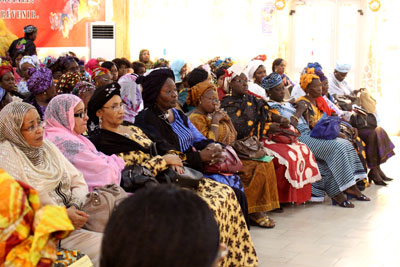
Women in Mali demand equal role in Peace Accords

Source:
After more than three and a half years of armed conflict in Mali, a peace agreement was finally signed on 20 June 2015, marking the end of more than 10 months of mediation led by Algeria and the international community. It renewed hope for the country's population of over 15 million. “Women in Mali want peace, nothing but peace. Along with girls, they have paid the highest price with the various types of violence they have suffered, which have left wounds that will take a long time to heal,” said Ms. Sangaré Oumou Ba, the Minister for the Promotion of Women, Children and Families.
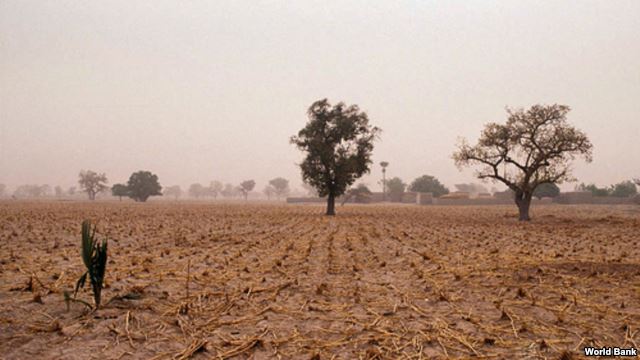
In rural Mali, women’s climate work brings political prowess

Source:
In impoverished rural areas of this West African country, women have become central to efforts to adapt to climate change. Their work is gradually helping them increase their political clout, with more women standing in municipal elections. Samake has been measuring rainfall for 15 years under an agro-meteorological aid programme run from the capital Bamako. “Every 10 days, I send the total of rainfall levels to the meteorological services,” she explained. “I like doing that because it is important for our crop production.” Samake is one of 10,000 rural Malians, half of them w

Mali law would reserve one-third of government jobs for women

Source:
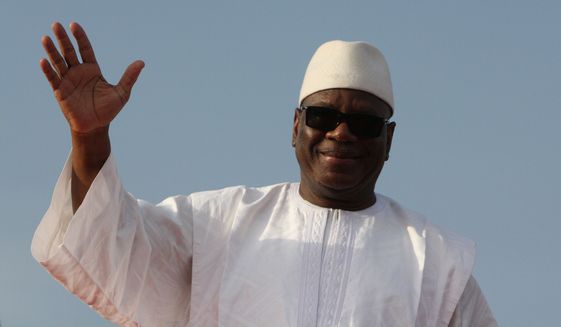
An unlikely battle in an unlikely place has broken out over a bid to guarantee Mali’s women a seat at the political table in this poor, conflict-ridden and heavily Muslim African country. If enacted, a proposed law before Malian lawmakers would reserve one-third of government jobs for women, including in elected offices. Currently, only 14 women sit in Mali’s 147-member parliament, three women belong to President Ibrahim Boubacar Keita’s Cabinet of 33 ministers, and men claim the vast bulk of civil service positions. Activists see the quota idea as a way to jump-start the drive for

Read the world's local women's news


How does Femina work?

  • Step 1
    1
    Local Country Editors From Around the World
  • Step 2
    2
    Choose News Articles From Their Countries’ Local Language Papers
  • Step 3
    3
    Summarize & Contextualize The Stories In English

Got it!

Swipe for more Top Stories


Got it!