Do women lead, connect and share differently? Subscribe for the latest stories.

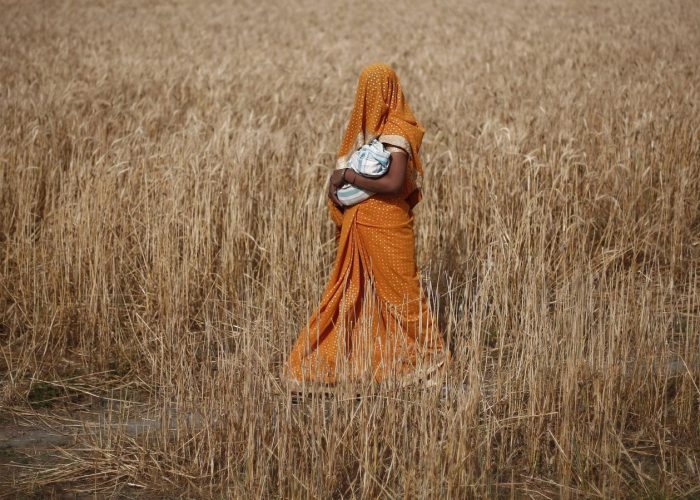
Between domestic chores and agricultural work, rural Indian women have no time for child-rearing

Source:
Working in agriculture-related jobs brings financial freedom to Indian women, but it comes at a cost. Intense work leads to stress and compromises in care responsibilities towards children and also affects the women’s own health, according to recent research published by the Institute of Development Studies (IDS). “Women’s work in agriculture seems to have a negative effect on household nutrition through two pathways: lack of adequate time for care work in peak agricultural seasons and seasonal energy with consequent losses in body weight,” the study notes. “Recognition of women

78% Mumbai women at risk of developing heart disease: Study

Source:
Around 78% of women in Mumbai are at risk of heart disease because of increased belly fat, reveals a pan India study. The report also said that more than 60 per cent of urban India females in the age group of 30 to 45 years are at risk of being affected by cardiovascular diseases (CVDs). With 89% of women at risk of CVDs in Mumbai falling in the overweight/obese category, the results of the study has revealed some alarming statistics. The Saffolalife study 2015 — conducted in 10 leading metro and non-metro cities of India — had 1,299 urban Indian females participation in the age group 3

Maneka Gandhi wants working women to get 8 months maternity leave

Source:
Minister for Women and Child Development Maneka Gandhi wants to raise maternity leave to eight months from three months, reports a leading daily. The Ministry has sent the proposal to the Cabinet Secretariat for a discussion in the Committee of Secretaries. "This matter was taken up by our minister with the Prime Minister and he is also very interested, so we are sending a copy to him," Nutan Guha Biswas, WCD additional secretary said to the daily. The ministry has also asked the Labour ministry that the maternity benefit provisions to working women both in organised and unorganised sect

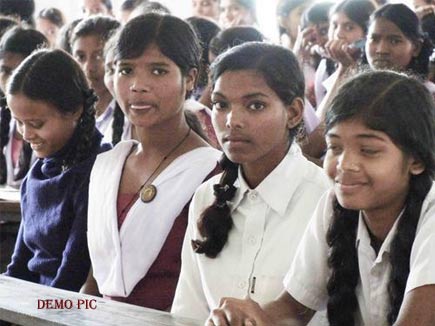
200 girls leave school due to lack of toilets

Source:
More than 200 girls have discontinued their studies at a government-run residential school (boarding school) in the Indian state of Jharkhand, citing lack of toilets and harassment from local boys. The Kasturba Gandhi Awasiya School was set up to promote education among girls in rural areas. The hostel of the school, where 220 girls were provided accommodation, had just five toilets. The girls say that they often had to heed nature’s call in the open as there weren’t enough facilities for them to use.

Lessons from India on improving women and children’s health

Source:
Simple interventions such as using community workers to promote breast-feeding in villages have helped India improve the health of its women and children and could be good global examples, say aid workers, citing early findings from a U.N.-backed survey. The Rapid Survey on Children, conducted by the ministry of women and child development and supported by the U.N.’s children’s agency, UNICEF, is the first national survey on child and maternal health in India in the last decade. The findings – yet to be verified by the government – reveal that while indicators such as child malnu

A Bindi That Delivers Nutrition To Poor Women In India

Source:
The bindi—a commonly worn symbol of beauty in India—is now more than a fashion symbol. A health foundation has turned it into an iodine patch that could save lives. In India, iodine deficiency is huge problem for the country’s poor, causing preventable brain damage and lower IQ in children, complications during pregnancy for mothers, and contributing to diseases like breast cancer. Because there is little iodine in India’s soil—and therefore in its food—the country supplements its salt with the vital micronutrient. But according to a 2013 study, an estimated 350 million people d

Read the world's local women's news


How does Femina work?

  • Step 1
    1
    Local Country Editors From Around the World
  • Step 2
    2
    Choose News Articles From Their Countries’ Local Language Papers
  • Step 3
    3
    Summarize & Contextualize The Stories In English

Got it!

Swipe for more Top Stories


Got it!