Do women lead, connect and share differently? Subscribe for the latest stories.

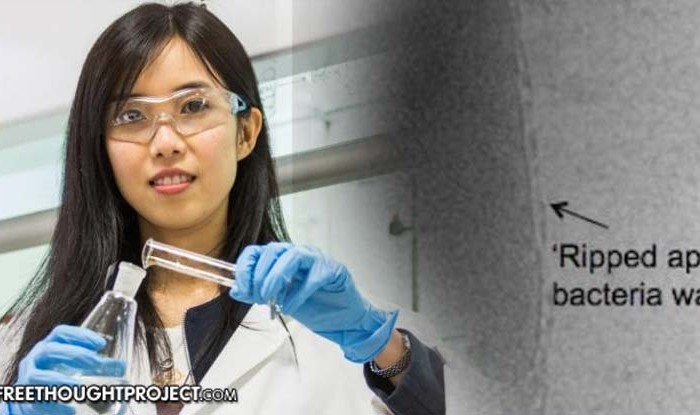
25-Year-Old Student Discovers Way to Kill Superbugs WITHOUT Antibiotics — Science Freaks Out

Source:
The outlook for humanity is, indeed, bleak. However, thanks to a handful of research students from the University of Melbourne School, we may have hope after all. Ph.D. student Shu Lam, the study’s lead researcher, believes they’ve found a way around antibiotic dependency in the battle against bacteria. “We’ve developed a new class of antimicrobial agents, which are very unique. They come in the form of tiny star-shaped molecules that are made from short chains of proteins,” Lam told VICE. “We found that they are very effective at wiping out [bacterial] infections in mice and
One in five women giving birth in Australia are 35 or over, data shows

Source:
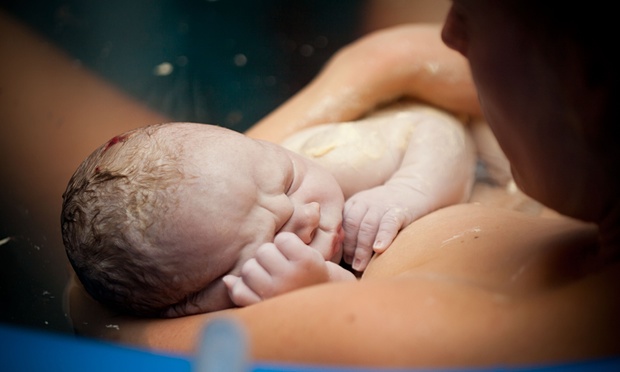
More than one in five women giving birth in Australia are now aged 35 or over, the latest official figures show. The latest birth data from the Australian Institute of Health and Welfare shows the proportion of mothers aged 35 and older who gave birth increased by four percentage points to 22% in the decade to 2013. Women who gave birth aged under 24 decreased from 19% to 17%; 30.1 years was the average age in 2013, up from 29.5 years a decade earlier. First-time mothers had an average age of 28.6 years, up from 27.8 years in 2003, the data shows.

IVF hope for older women, as Adelaide scientists make ‘damaged’ eggs good again

Source:
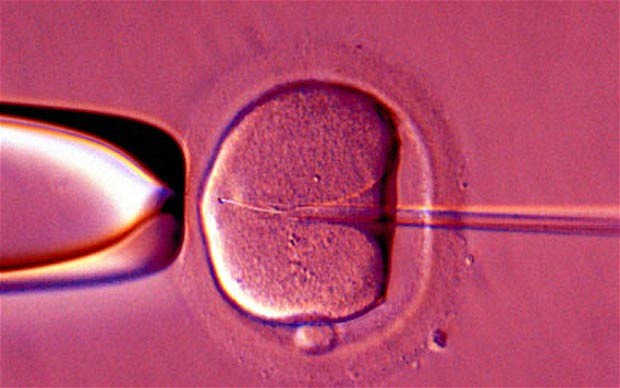
Women over the age of 35 are more likely to have 'old' or 'damaged' eggs, which will not go on to make embryos in IVF treatment. Now scientists at the University of Adelaide's Robinson Research Institute have discovered a way to make the 'old' eggs viable again, by injecting them with haemoglobin. It offers new hope for the increasing number of older women seeking IVF treatment. Transcript: MICHAEL BRISSENDEN: Scientists in Adelaide have made a research breakthrough that may give women a better chance to become mothers later in life. The team at the Robinson Research Institute have fo

Read the world's local women's news


How does Femina work?

  • Step 1
    1
    Local Country Editors From Around the World
  • Step 2
    2
    Choose News Articles From Their Countries’ Local Language Papers
  • Step 3
    3
    Summarize & Contextualize The Stories In English

Got it!

Swipe for more Top Stories


Got it!