Do women lead, connect and share differently? Subscribe for the latest stories.

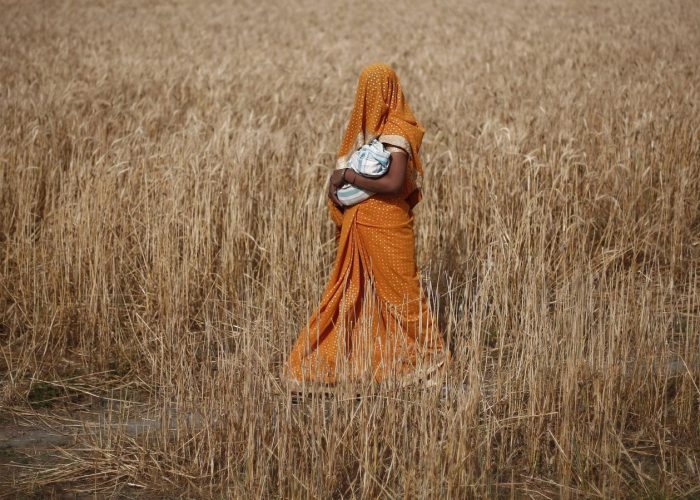
Between domestic chores and agricultural work, rural Indian women have no time for child-rearing

Source:
Working in agriculture-related jobs brings financial freedom to Indian women, but it comes at a cost. Intense work leads to stress and compromises in care responsibilities towards children and also affects the women’s own health, according to recent research published by the Institute of Development Studies (IDS). “Women’s work in agriculture seems to have a negative effect on household nutrition through two pathways: lack of adequate time for care work in peak agricultural seasons and seasonal energy with consequent losses in body weight,” the study notes. “Recognition of women


Violence Against Women in El Salvador Is Driving Them to Suicide — Or to the U.S. Border

Source:
It’s hard to grasp the scale of El Salvador’s problem with gender violence. In the Central American country of just six million people, one woman was the victim of a femicide — a man murdering of a woman or girl because of her gender — every 24 hours in 2018. That’s one of the worst rates of femicide in the world, according to the United Nations. Sixty-seven percent of Salvadoran women have suffered some form of violence in their lifetime, including sexual assault, intimate partner violence and abuse by family members, a 2017 national survey found. But only 6% of victims had re

It’s Time to Talk: South Asian Women in the U.S. Have Some of the Highest Suicide Rates

Source:
Growing up, we hear aunties and uncles boast about and compare their children's grades, looks, and other signs signaling a promising future of social status. As we get older, everything is up for comparison -- the amount of money we make, the career we embark on, the lives we show to the world on social media, and even the ones we love. The expectations are always rising; our self-worth, always plummeting. We are never enough. Undoubtedly, being a young South Asian woman in the U.S. poses unique pressures and challenges. There is the pressure to live up to the usual unhealthy mainstream

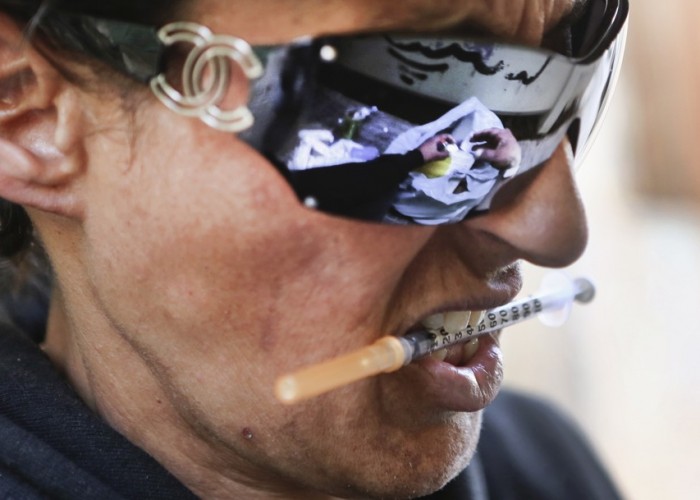
Why More Women Are Turning to Heroin

Source:
Women tend to become dependent on drugs more quickly than men, according to the most recent data from the Substance Abuse Mental-Health Services Administration. This is especially the case among those who abuse alcohol, marijuana, and opioids like heroin. Women also find it harder to quit and can be more susceptible than men to relapse, according to Harvard Medical School. Three in 1,000 Americans report having used heroin in 2013, the most recent year for which data is available. That’s up from two in 1,000 people who reported using heroin a decade ago, according to the Associated Press,

Read the world's local women's news


How does Femina work?

  • Step 1
    1
    Local Country Editors From Around the World
  • Step 2
    2
    Choose News Articles From Their Countries’ Local Language Papers
  • Step 3
    3
    Summarize & Contextualize The Stories In English

Got it!

Swipe for more Top Stories


Got it!