Do women lead, connect and share differently? Subscribe for the latest stories.

How Maasai women in Kenya are helping to make your cosmetics

Source:
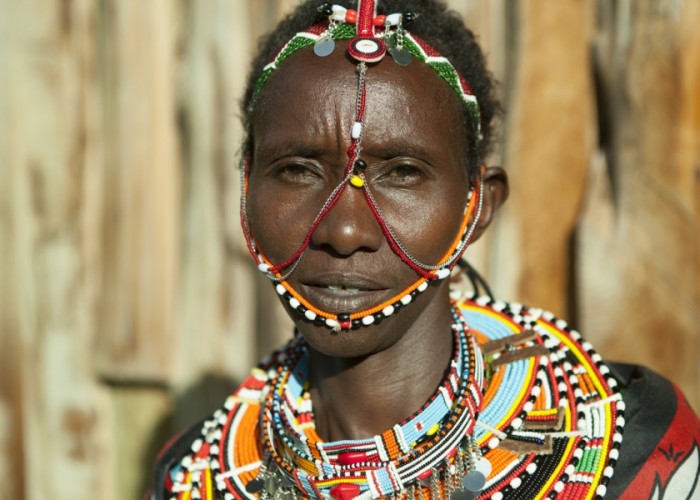
It’s a day-long drive from Kenya's capital Nairobi to Twala in Laikipia County. The last 50 miles is along a dusty road, and then you arrive at the farm of the Twala Cultural Manyatta. It’s oasis-like, and the moment you enter the gate, the fresh smell of greenery strikes a contrast with the aridity you leave behind. Even more striking for me are the two dozen Maasai women lined up in front of the mud wall of their compound, bedecked in brightly colored beaded jewelry. The second my car door opens, they break into song. I had inquired how much press they’ve received. “Not much,
Woman of many firsts about to call it quits from corporation board

Source:
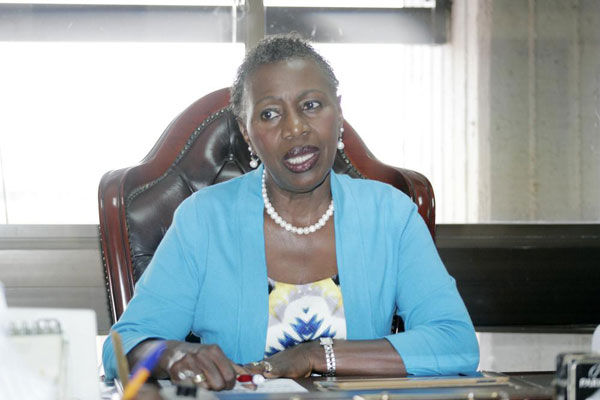
In a country where women directors are a rarity on company boards, Mrs Nelius Wanjiru Kariuki can easily claim to be a trailblazer. The confident gait as she strides into her office and the unmistakable aura of authority partly tell the story of how she has successfully steered an organisation worth more than Sh85 billion for more than a decade. And when she retires as chair of the Kenya Reinsurance board next Friday, Mrs Kariuki, 64, says there will be no doubt the corporation is in a better place than she found it and the case for more female directors in boards has been strengthened.

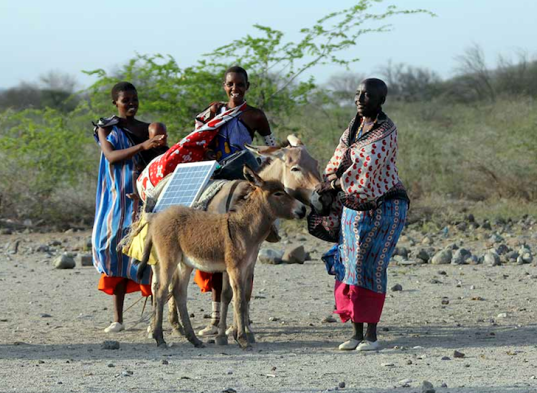
Maasai women are the new solar warriors of Africa

Source:
The Maasai are a semi-nomadic pastoral tribe spread across Kenya and Tanzania, and globalization has not been kind to them. Vulnerable to wildlife that steal their livestock and powerless after the sun goes down, many Maasai often have to walk many kilometers just to charge their phones. But a new project spearheaded by Green Energy Africa has brought solar energy to 2,000 homes in Naiputa county alone, and put new power into the hands of women who sell affordable solar installations. Green Energy Africa started the 7-month Women Entrepreneurship in Renewable Energy Project (WEREP) in Septe

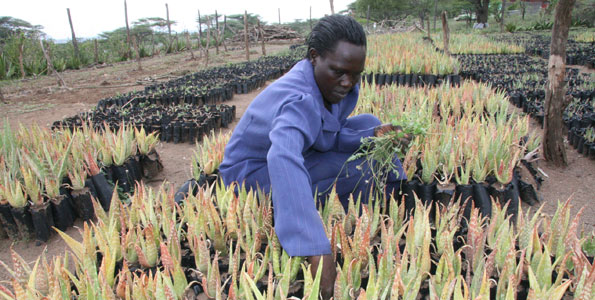
Healthy profit for Kenyan women selling aloe to UK cosmetics firm

Source:
Women herders in Kenya's semi-arid Laikipia County have broken with tradition to export the leaves of a desert plant to Europe, boosting their incomes. Three hundred women in El Poloi have switched from the age-old occupation of goat-keeping to the new and far more lucrative activity of farming aloe, a plant with healing properties. Along the way, they are transforming their economic status and creating educational opportunities for their daughters. Twala Cultural Manyatta Women banks more than 300,000 shillings (US$3,200) annually from the venture, according to Putunoi. It makes furt

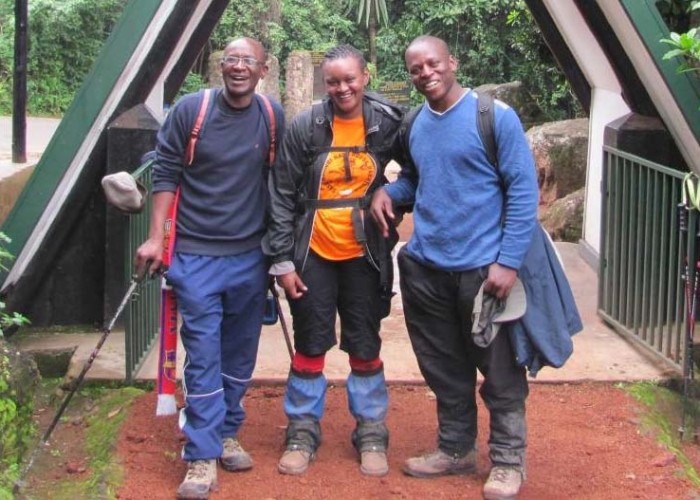
Kenya: One of East Africa’s First Female Mountain Guides On ‘Making It’ and Starting a Business to Boot

Source:
For Zoe Wanjiru, life is one continuous climb -- and she wouldn't have it any other way. For seven years, the Kenyan national has been guiding tourists up some of East Africa's most treacherous peaks, including Mt. Kilimanjaro and Mt. Kenya, and through some of the region's most scenic safari parks. As one of the few women guides operating in East Africa, she's faced skepticism and downright discrimination. In many lodges, accommodation for women guides simply doesn't exist -- then there are the flirtatious guests and subordinates who don't take her seriously. But over the years Wanjiru

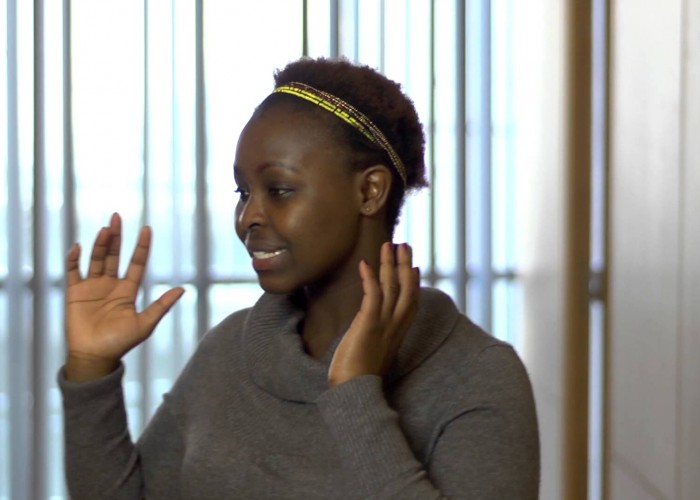
Visa denied! How a Broken Dream Triggered This Young Kenyan Entrepreneur

Source:
The Nairobi Dev School equips youth in East Africa with computer programming skills and helps them build technology-based solutions to everyday challenges. The school was established in 2012 by Martha Chumo, a 21-year-old self-taught programmer, after she was denied a visa to study in the US. Chumo gave up a scholarship to study medicine after bumping into the tech world during an internship. When her attempts to refine her skills in the US failed, she decided to start her own school. The Nairobi Dev School has since conducted skills development training in Kenya, South Sudan and Somalia.

Read the world's local women's news


How does Femina work?

  • Step 1
    1
    Local Country Editors From Around the World
  • Step 2
    2
    Choose News Articles From Their Countries’ Local Language Papers
  • Step 3
    3
    Summarize & Contextualize The Stories In English

Got it!

Swipe for more Top Stories


Got it!