Do women lead, connect and share differently? Subscribe for the latest stories.

Svetlana Alexievich wins 2015 Nobel prize in literature

Source:
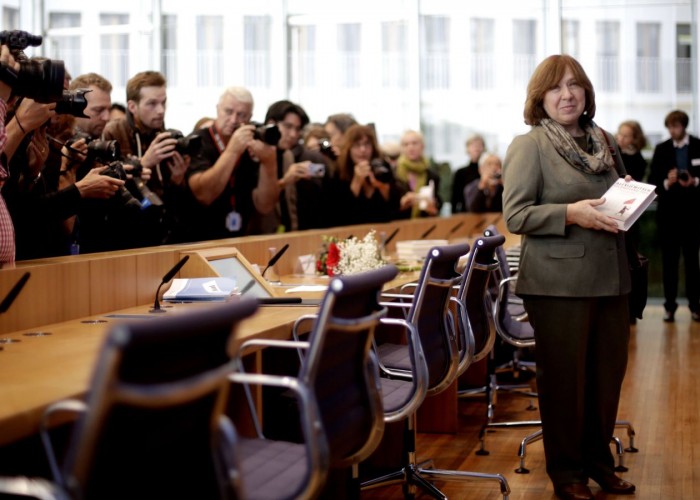
Svetlana Alexievich, the Belarusian writer whose oral histories have recorded thousands of individual voices to map the implosion of the Soviet Union, has won the Nobel prize for literature. The Swedish Academy, announcing her win, praised Alexievich’s “polyphonic writings”, describing them as a “monument to suffering and courage in our time”. She becomes the 14th woman to win the prize since it was first awarded in 1901. The last woman to win, Canada’s Alice Munro, was handed the award in 2013. Speaking by phone to the Swedish broadcaster SVT, Svetlana Alexievich said tha
Ali Smith wins Baileys Women’s Prize for Fiction 2015

Source:
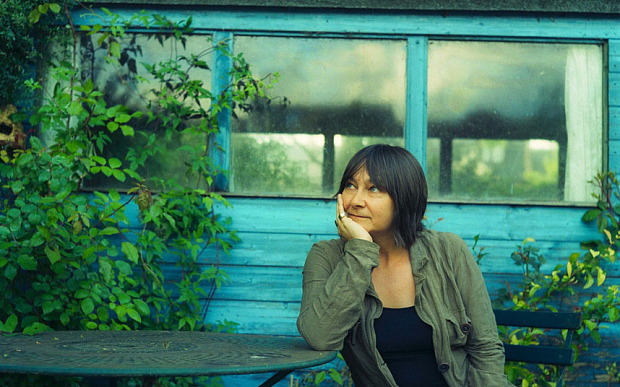
It says something about the way prize juries work that Ali Smith’s exceptional novel How to be Both has not won any of the major literary awards for which it has been shortlisted – until now. Anyone can see its virtuosity, but I imagine it's so unusual that it has often split the vote. On Wednesday night, How to be Both won the Baileys Women’s Prize for Fiction (formerly known as the Orange Prize), and everyone who had championed the book since it was published almost a year ago breathed a sigh of relief. After not winning the Man Booker and not winning the Folio, there was this: fin

Chimamanda Ngozi Adichie: ‘Fear of causing offence becomes a fetish’

Source:
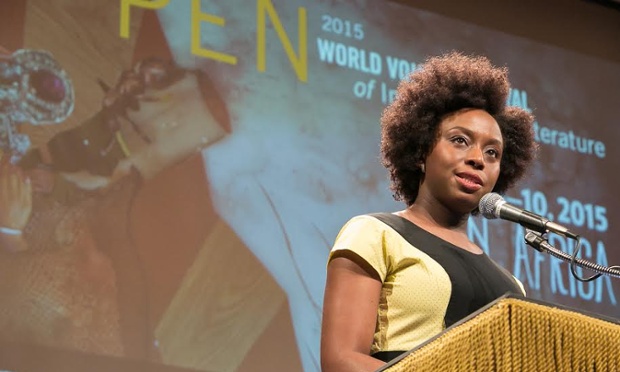
Chimamanda Ngozi Adichie had acted as co-curator of the festival, along with its director Laszlo Jakab Orsos. And so she had had a front-row seat to the roiling debates about Charlie Hebdo that overshadowed most of the festival’s other events. “There is a general tendency in the United States to define problems of censorship as essentially foreign problems,” Adichie said, in what seemed a gesture towards acknowledging that. Using the contrast between Nigerian and American hospitals as an example, Adichie pointed out that Americans like to be “comfortable”. And she worried that the

Read the world's local women's news


How does Femina work?

  • Step 1
    1
    Local Country Editors From Around the World
  • Step 2
    2
    Choose News Articles From Their Countries’ Local Language Papers
  • Step 3
    3
    Summarize & Contextualize The Stories In English

Got it!

Swipe for more Top Stories


Got it!