Do women lead, connect and share differently? Subscribe for the latest stories.

Dale Greig, Early Women’s Marathoner, Is Dead at 82

Source:
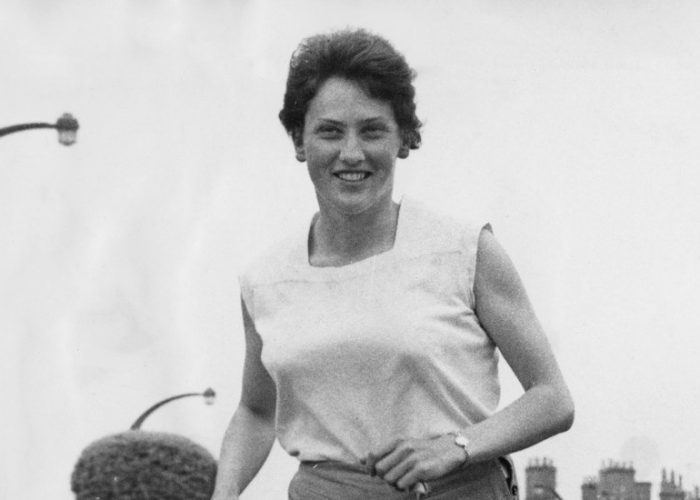
Dale Greig had been a champion cross-country runner in Scotland when she decided to run the Isle of Wight Marathon in 1964. It was a bold decision. Not only was it her first marathon; she was also entering what had been an exclusively male preserve. Women were all but excluded from running the 26-mile 385-yard race because the track authorities believed that they were too weak to endure it. There would be no women’s Olympic marathon until 1984. Race organizers on the Isle of Wight were sympathetic enough to let Greig (pronounced GREG) run. But they required her to start four minutes bef
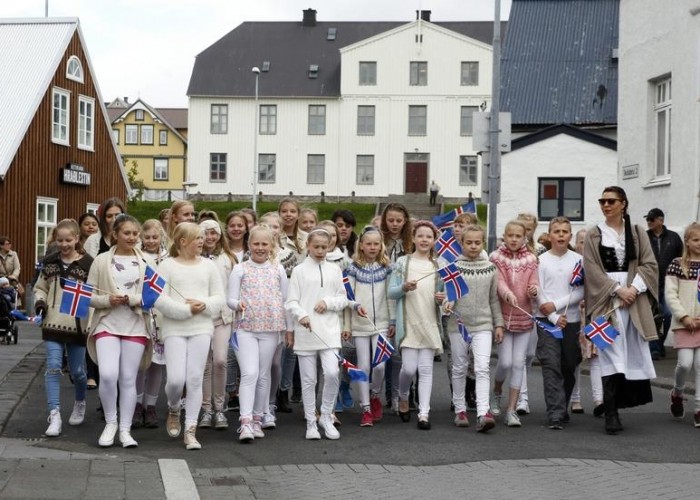
Iceland celebrates Women’s Rights Day today!

Source:
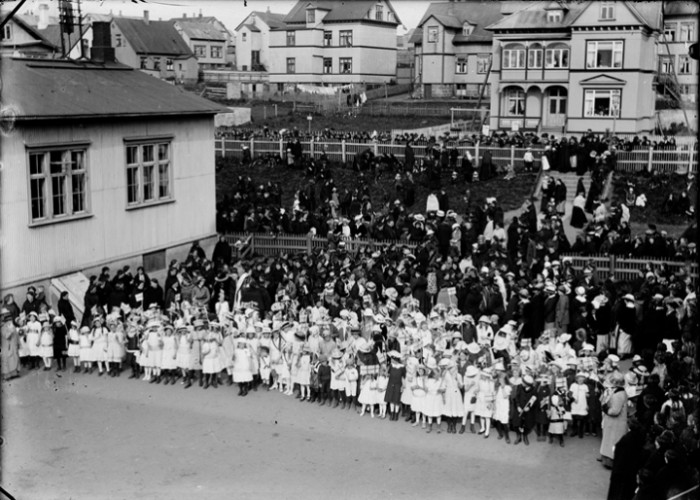
19 June is Women’s Day in Iceland. The date marks the day 101 years ago when Icelandic women were first given the right to vote. Iceland took its first step into real suffrage for women on 19 June 1915, when women aged forty and over were given the right to vote in general elections and stand for public office for the first time. Ever since then, 19 June has been known as ‘Women’s Rights Day’ in Iceland. Many women will be wearing something pink today to mark the occasion.

She Discovered Jurassic Dinosaur Fossils that Challenged Bible-Based Creationism

Source:
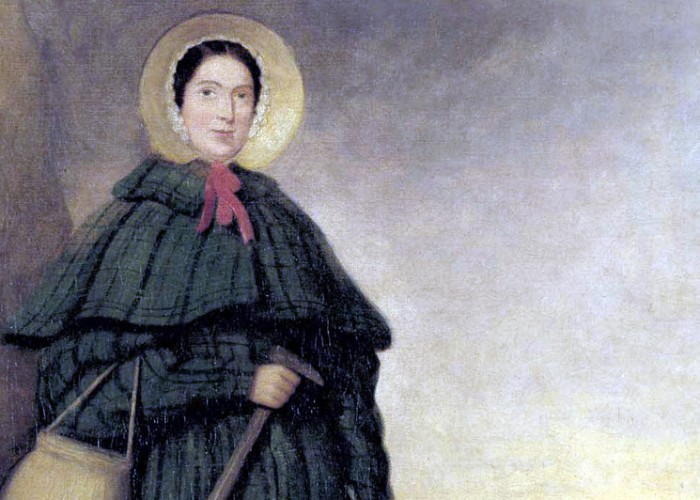
Mary Anning was a British fossil collector, dealer, and paleontologist (before there was paleontology). Her studies challenged the bible-based view of creation, and her gender and status challenged what a scientists should be.The fossils she found proved that there was something before man, which upset the established narrative of the history of life on Earth. The British Journal for the History of Science describes her as “the greatest fossilist the world ever knew.” Anning would roam the limestone cliffs in Dorset. This is where she made many fossil discoveries, including the first ic

A 92-year-old World War II fighter pilot flies her plane for the first time in 70 years

Source:
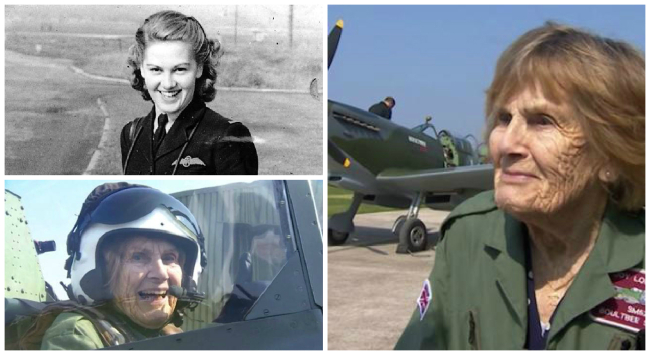
It's been decades since her last flight, but Joy Lofthouse, a 92-year-old Air Transport Auxiliary veteran, was given the chance to board a Spitfire airplane for one more trip. Lofthouse was one of just a few female pilots to fly for the British during World War II, part of an all-female division nicknamed the "Attagirls." Her job as a service pilot was to shuttle planes from the front lines back to factories for repairs. During her time in the service, she flew 18 different aircraft, but one always held a special place in her heart.

Marie Spartali Stillman: The female artist time forgot

Source:
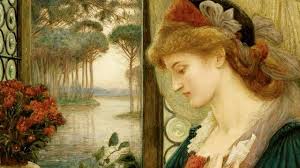
Being an artist in Victorian England was not an occupation considered suitable for a woman - one reason why there were so few of them. But Marie Spartali Stillman was an exception. She rose to prominence within the very male pre-Raphaelite Brotherhood and successfully sold her paintings on both sides of the Atlantic. Delaware Art Museum is staging the first major exhibition of her work - Poetry in Beauty - in an attempt to bring her the public recognition she deserves.

Renowned historian Lisa Jardine dies aged 71

Source:
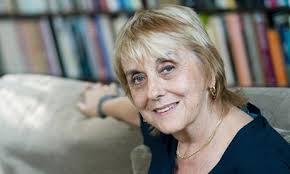
The celebrated historian and author professor Lisa Jardine has died aged 71. Jardine was known for her research into the early modern period and, in the later part of her career, she worked as a professor of renaissance studies at University College London (UCL). She was elected an honorary fellow of the Royal Society this year and won its prestigious medal for popularising science, as well as being awarded a CBE. Jardine’s friend and UCL colleague Prof Melissa Terras called her an “astonishing scholar” and said she would be missed. Jardine was “immensely supportive of colleagues

Emmeline Pankhurst – British women’s number one heroine

Source:
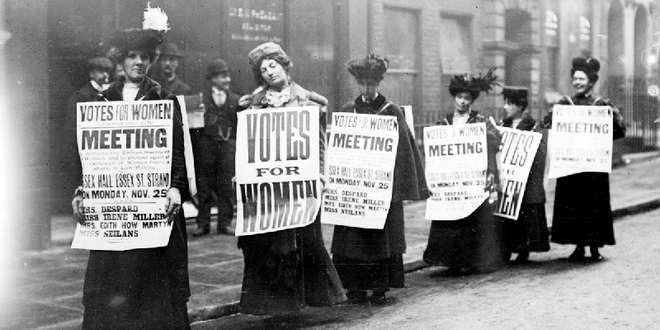
A new analysis of YouGov Profiles data from nearly 16,000 people reveals that Emmeline Pankhurst, leader of the Suffragette movement, is the historical figure most particularly admired by women in Britain. With a correlation score of 6.0 Pankhurst is the model historical figure for women, ahead of the next four figures who score between 2.9 and 3.4. American civil rights activist Rosa Parks; British WWI nurse Edith Cavell; Mary Seacole, nurse in the Crimean War; and Marie Curie, the first woman to win a Nobel Prize, are also particular heroes of British women.

Chiara Vigo: The last woman who makes sea silk

Source:
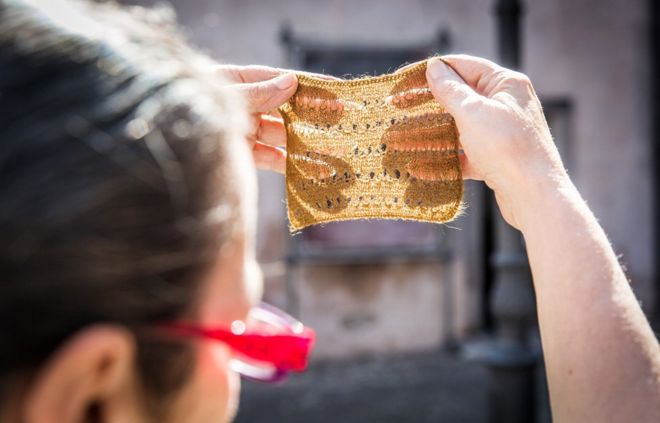
Silk is usually made from the cocoons spun by silkworms - but there is another, much rarer, cloth known as sea silk or byssus, which comes from a clam. Chiara Vigo is thought to be the only person left who can harvest it, spin it and make it shine like gold. Villagers stare as I knock on the door of Chiara Vigo's studio, otherwise known as the Museum of Byssus, on the Sardinian island of Sant'Antioco. One sign on the door says: "Haste doesn't live here." Another adds: "In this room nothing is for sale." Vigo is sitting in a far corner of the room surrounded by yarns and canvasses, holding

Iceland Celebrates 100 Years of Women’s Suffrage

Source:
A century ago today women in Iceland were officially granted the right to vote in elections—among the first few countries in the world to grant the right that today seems immutable. The anniversary marks the day the King of Denmark and Iceland approved the bill passed by Alþingi. Though a big step towards voting equality, it only gave the vote to 12,000 women aged 40 or over. Parliament will hold a ceremonial meeting today to mark the day; and all male and female MPs will be invited—despite a proposal made recently to make it a women-only parliament. Today is the high-point of a

First female president in 1980, 35 year festival

Source:
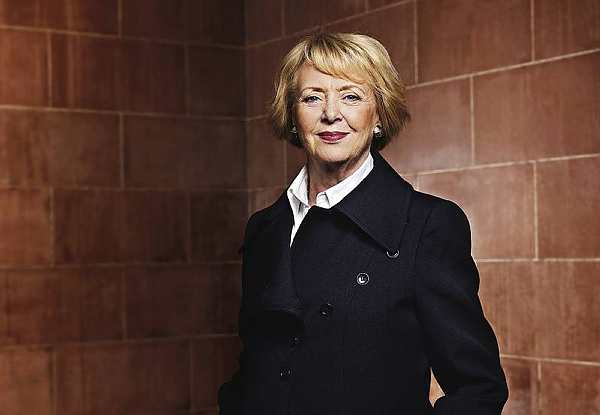
This evening, there was a celebration on that it is 35 years (1980) since the first female President was democratically here in Iceland. And she was the first demratically elected President in the world. Her name is Vigdis Finbbogadottir, and is now, this year, 85 years old. There was a celebration in downtown Reykjavik, people made speeches and music was played in her honour.

Early men and women had gender equality, say anthropologists

Source:
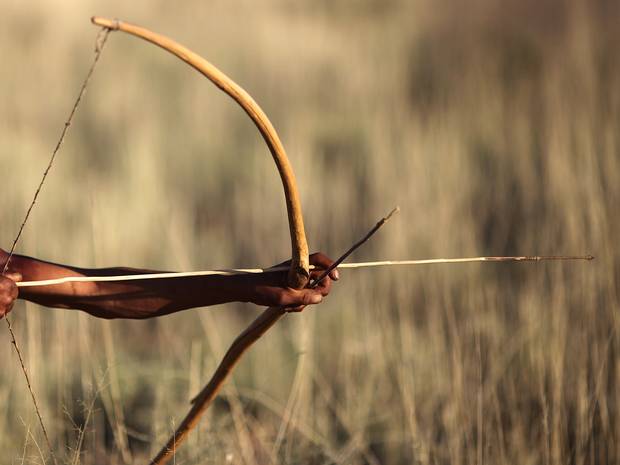
A study has shown that in contemporary hunter-gatherer tribes men and women tend to hold equal standing and influence, suggesting that sexual equality was the norm for humans throughout most of our evolutionary history. Mark Dyble, the leading anthropologist on the study at University College London, said: “There is still this wider perception that hunter-gatherers are more macho or male-dominated. We’d argue it was only with the emergence of agriculture, when people could start to accumulate resources, that inequality emerged.”

From Bletchley girls to Russian aces: the forgotten women at war

Source:
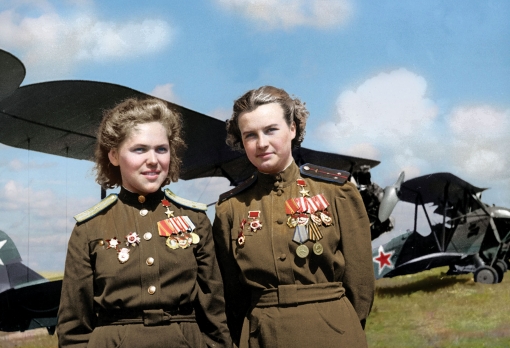
The Bletchley Girls Tessa Dunlop Hodder & Stoughton, 341pp, £20 Defending the Motherland: the Soviet Women Who Fought Hitler’s Aces Lyuba Vinogradova; translated by Arch Tait MacLehose Press, 349pp, £20 This is real feminist history - work which was unheralded not just because it was top secret, but because women did it. “It was astonishing what young women could be trained to do.” There is a note of surprise in the postwar review of the work that went on at Bletchley Park – for decades a site shrouded in secrecy but now known the world over as the place where t

The Rise of Women’s Transnational Activism: Identity and Sisterhood between the World Wars, by Marie Sandell

Source:
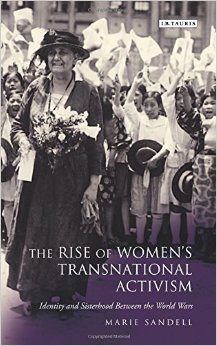
This valuable work sheds light on the building of an ‘international sisterhood’ to further the struggle for women’s rights, says June Purvis Recent years have witnessed the rise of transnational perspectives in studies of the “first wave” of the women’s movement. Leila Rupp’s groundbreaking 1997 work Worlds of Women: The Making of an International Women’s Movement explored the growth and nature of international women’s organisations from the 1880s to 1945. In this clearly written, informative book, Marie Sandell builds on Rupp’s pioneering research, and focuses on

Serbia honours life of war doctor Elsie Inglis

Source:
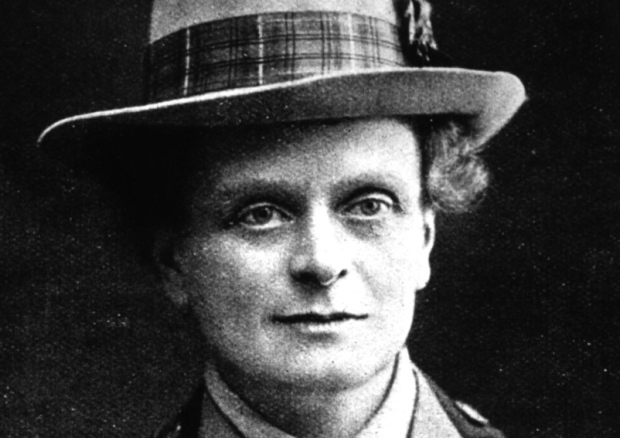
THE British Residence in Belgrade has been named Elsie Inglis House in honour of the pioneering Edinburgh doctor and her work in Serbia during the First World War. Dr Inglis is regarded as a heroine in Serbia for her role in setting up much-needed hospital units at the height of the conflict and helping to save the lives of thousands of patients. Dr Inglis (1864-1917), who studied medicine at Edinburgh University when it was still unusual for women to do so, had set up a women’s hospital in the Capital before the outbreak of war. She defied advice from the British government and wen

Read the world's local women's news


How does Femina work?

  • Step 1
    1
    Local Country Editors From Around the World
  • Step 2
    2
    Choose News Articles From Their Countries’ Local Language Papers
  • Step 3
    3
    Summarize & Contextualize The Stories In English

Got it!

Swipe for more Top Stories


Got it!