Do women lead, connect and share differently? Subscribe for the latest stories.

Merck Wants To ‘Empower’ Infertile Women In Africa. Can Music Videos Help?

Source:
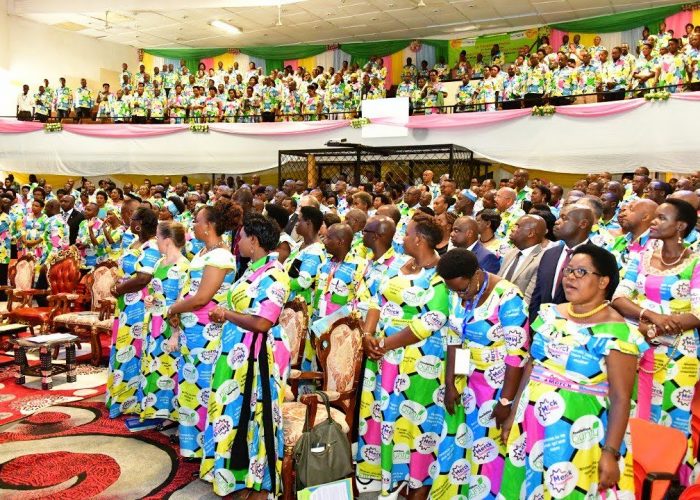
In June, an unusual email arrived in the inbox of an NPR global health correspondent. The headline was: "Merck Foundation together with First Lady of Burundi release 'Plus Qu'une Mere' an empowering French Song as courtesy to all infertile women in Burundi and Africa." The email had a link to a video of a performance with an all-female choir. Wearing traditional African clothing printed with the Merck Foundation's logo, they sing a song with lyrics that encourage people not to blame women for infertility. They're performing before an audience of maybe a hundred people, most of them in
SOMALIA: The Blurred Line Between Politics of Subjectivity and Women Rights

Source:
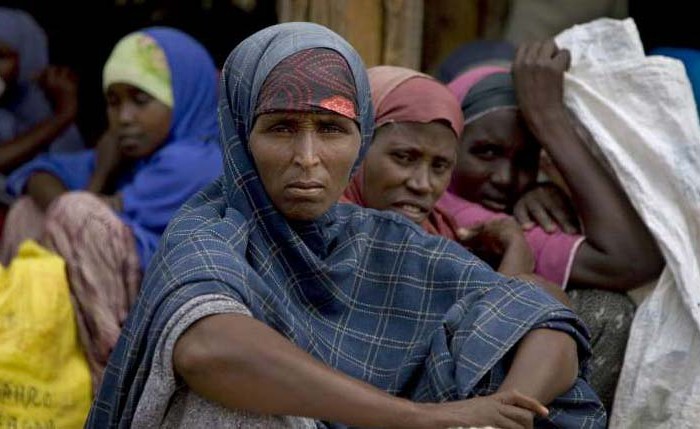
Since the collapse of the central government in 1991, Somalia has suffered from civil-war, widespread famine, broken infrastructure, rampant human, women, and civil rights abuses, poverty, human trafficking, rape, murder and corruption on every level of the society. Given this backdrop and all the internal and external crises facing Somali society, I was dumfounded to read a recent (March 24, 2015) Somali government press release, in which the government embroiled itself in a diplomatic dust-up between Sweden and Saudi Arabia. The press release reads: "The Government of the Federal Re

Oops: Nigerian First Lady Wrong to Claim 70 Percent of Ministers Are Women

Source:
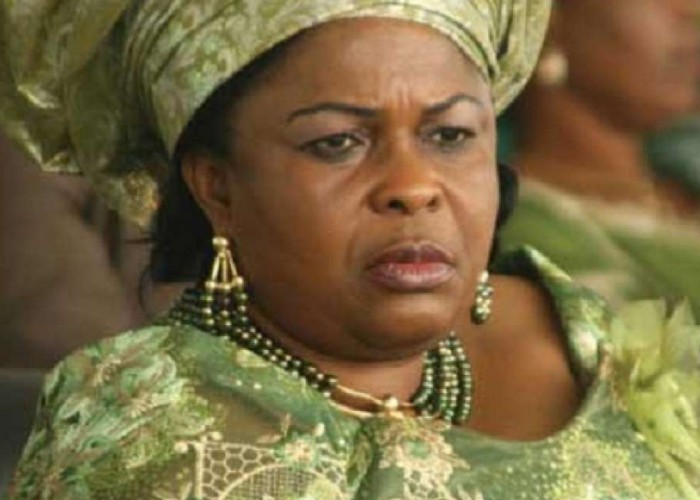
Nigeria's first lady Patience Jonathan, trying to drum up support for her husband's re-election campaign, told a women's rally of the ruling People's Democratic Party (PDP) in Kogi state earlier this month that 70% of the ministers in her husband's cabinet are women. At another rally in Sokoto, where Jonathan was represented by women's affairs minister Zainab Maina, local press reported her speech stated that 13 women - less than half of the total - served in the 31-member Nigerian cabinet. Of course, both cannot be right and Africa Check decided to investigate. According to the 2015

Read the world's local women's news


How does Femina work?

  • Step 1
    1
    Local Country Editors From Around the World
  • Step 2
    2
    Choose News Articles From Their Countries’ Local Language Papers
  • Step 3
    3
    Summarize & Contextualize The Stories In English

Got it!

Swipe for more Top Stories


Got it!