Merck Wants To ‘Empower’ Infertile Women In Africa. Can Music Videos Help?

Source:
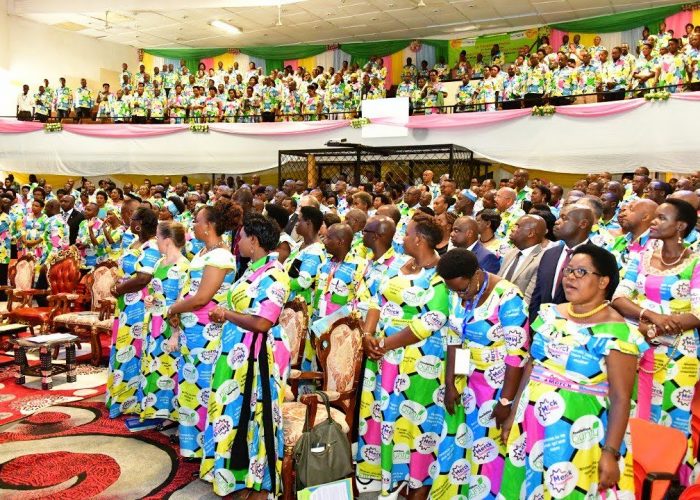
In June, an unusual email arrived in the inbox of an NPR global health correspondent. The headline was: "Merck Foundation together with First Lady of Burundi release 'Plus Qu'une Mere' an empowering French Song as courtesy to all infertile women in Burundi and Africa." The email had a link to a video of a performance with an all-female choir. Wearing traditional African clothing printed with the Merck Foundation's logo, they sing a song with lyrics that encourage people not to blame women for infertility. They're performing before an audience of maybe a hundred people, most of them in
Ghana’s market women were once so powerful they were targeted by the military

Source:
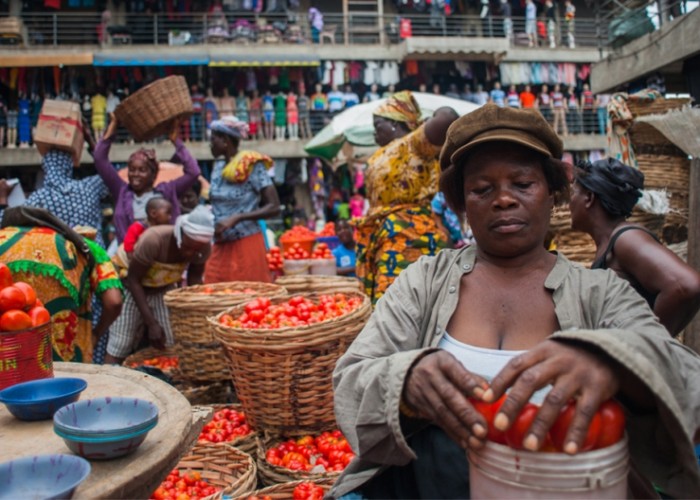
There are corporate-feeling malls and glossy supermarkets popping up all over the West African country. Still, more than 90 percent of people here still do their almost all their shopping at open-air markets, where the stalls are dominated by women, each running a small business. It’s an encouraging trend, but behind this bright statistic is a dark history: during Ghana’s military coups of the 1970s and 1980s, market women became the target of government terror, blamed for an economic crisis gripping the country. To understand why that could have happened, you have to first see the marke

Sierra Leone girls forced into ‘degrading’ pregnancy tests

Source:
Thousands of schoolgirls in Sierra Leone have been forced to undergo humiliating and degrading public pregnancy tests since the government banned pregnant girls from attending mainstream schools and taking exams, Amnesty International said on Friday. Girls have had their breasts and stomachs felt by teachers and nurses in front of their peers and been forced to take urine tests, which has discouraged many girls from going to school, whether they are pregnant or not, according to the rights group. A ban on pregnant girls attending school has informally existed for a decade, but it was dec

Really Bic? South Africa sends mixed messages to women, even on National Women’s Day

Source:
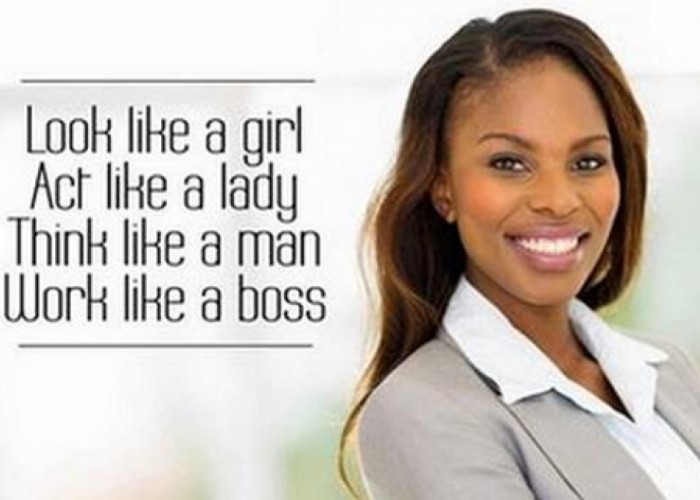
When it's National Women's Day in South Africa and you're a multinational corporation trying to reach, well, South African women, you might be advised to focus on women. But that's not how Bic South Africa went about it. A controversial ad on their Facebook page tried to graft a stereotypical Y chromosome onto a stereotypical X chromosome: A beautiful, young, smiling woman in a suit gazes out. The accompanying copy: "Look like a girl. Act like a lady. Think like a man. Work like a boss." "I did a double-take," says journalist Pearl Boshomane of The Sunday Times in South Afri

A HEMLINE IS NOT A CRIME: 10 Women at risk of flogging for “indecent” clothing

Source:
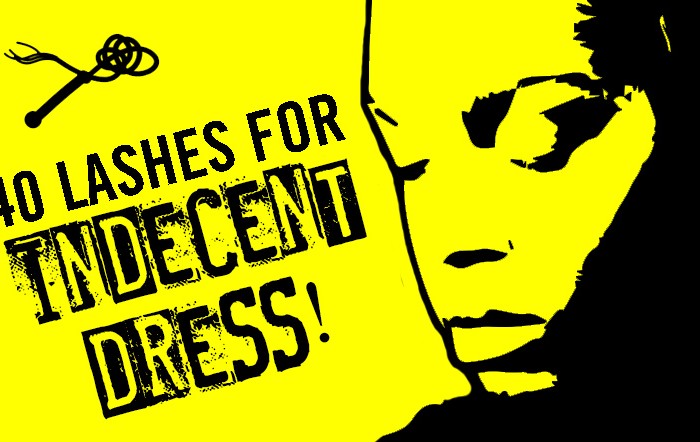
Sudan's Public Order Police have charged 10 female Christian students with 'indecent dress, and subjected them to humiliation during their detention. On June 25, Sudan's Public Order Police stopped 12 female Christian students in front of the Evangelical Baptist Church where they had attended a ceremony. They were wearing trousers and skirts. The students were charged with "indecent dress" under Article 152 of Sudan's 1991 Criminal Act. Two were released. The students were subjected to degrading treatment and humiliating verbal abuse during their detention. They were released on bail on

Amnesty condemns trial of Moroccan women who wore ‘too tight’ dresses

Source:
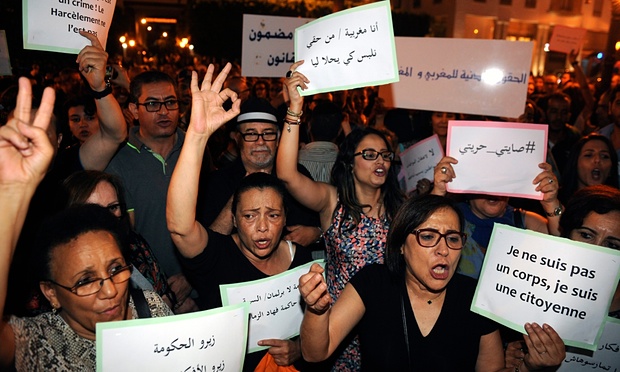
Amnesty International has condemned a Moroccan court’s decision to put two women who were wearing dresses on trial for indecent exposure as “part of a pattern of discriminatory laws” in the kingdom. The women, aged 23 and 29, were arrested in the southern city of Agadir in mid-June after walking around a market in outfits deemed to be provocative by passersby. In the police report, the women, both hairdressers, were said to have been wearing clothes that were “too tight”. Liz McKean, the director for women’s human rights at Amnesty International UK, said on Tuesday: “It’s

Algeria’s controversial ‘purity’ campaign to ban skirts

Source:
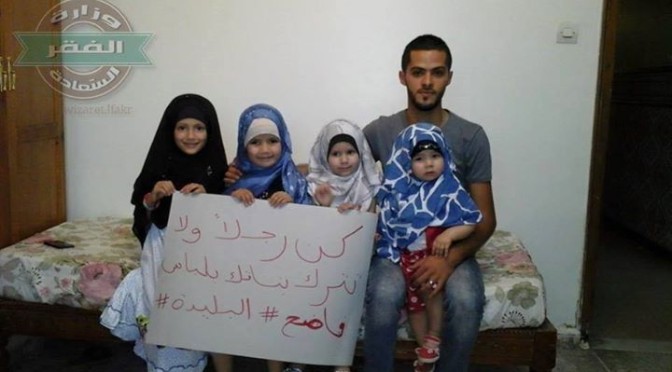
Young Algerian conservatives launched a “purity” campaign online against women who wear provocative clothing. The idea is to ban them from going out with short, skin-tight, or sexy apparel. The project provoked a lot of attention on social media and reignited the debate about women’s rights in the Muslim country. The campaign was launched after an incident in the beginning of May at the Law University in Algiers, the capital, in which a security guard prevented a female student from taking her exams because her skirt was “too short.”

Women in Uganda Can’t Use Toilets Without Fear of Disease or Rape

Source:
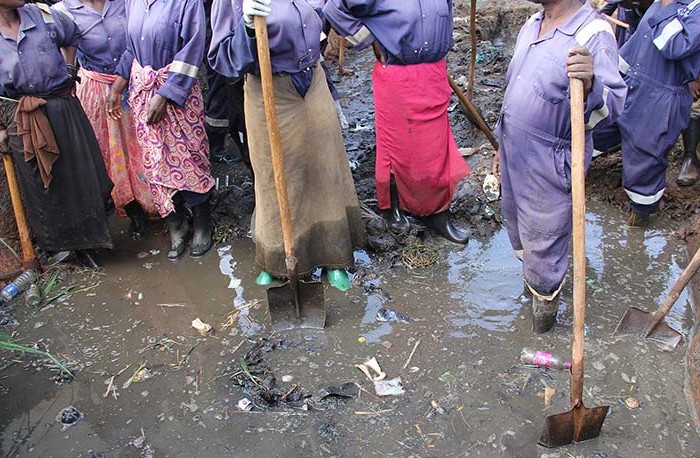
Mary Businge was in the doctor's seat, diagnosing a patient, when the municipal workers arrived. They were in a foul mood as they rolled up their sleeves and descended into a trench filled with sewage. The trench, stretching across the Nankulabye slum in Uganda's capital city Kampala, was where the slum's roughly 40,000 residents dropped their waste: discarded cans, torn shoes, playing cards, cigarette butts, documents, sanitary napkins, and bags containing feces. When it rained, the acrid water rose like a breathing thing, and so the city government sent their workers to empty the trench.

What about what women want, Zwelithini?

Source:
The South African Women Lawyers Association (Sawla) responds to King Goodwill Zwelithini’s call for a review of marriage law. In his latest round of controversial statements, the Zulu king has called for a review of the Recognition of Customary Marriages Act 120 of 1998 in consultation with himself and other traditional leaders. He does not mention or even consider the rights of women affected by cultural practices such as polygamy. Should these women not be consulted as well? Do they not have any say in issues that may profoundly affect their lives? As fellow Africans, we deeply