Do women lead, connect and share differently? Subscribe for the latest stories.

Letter from Africa: How ‘cheating husbands’ are linked to Sudan’s protests

Source:
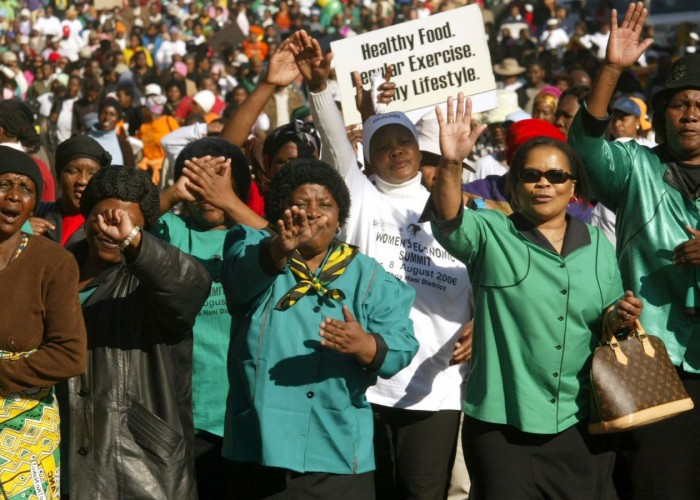
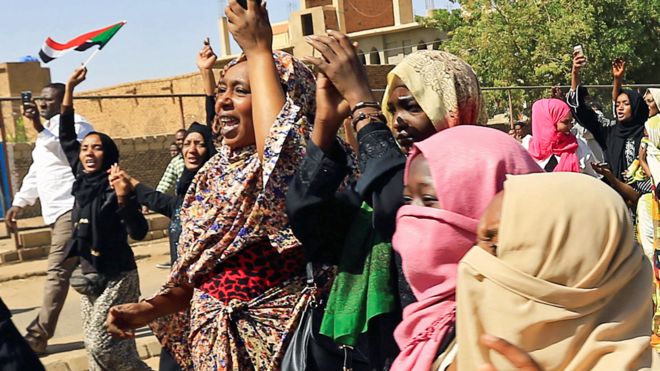
Unprecedented numbers of women are taking to the streets to join daily nationwide protests that erupted in mid-December. Despite a violent crackdown by the security forces and reports of sexual harassment, they remain undeterred. More than 50 people are thought to have died at the hands of security agents and many have been tortured, rights groups say. Yet women make up 70% of marchers at some protests, observers say, defiant in the face of the repressive laws of the conservative, Islamic state.
Ghana’s market women were once so powerful they were targeted by the military

Source:
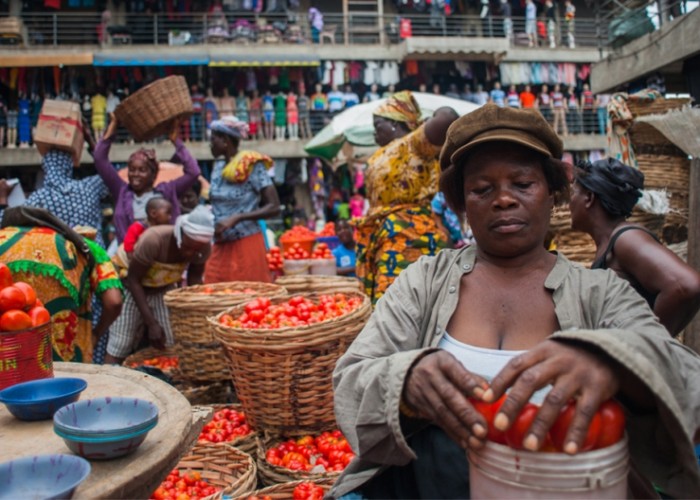
There are corporate-feeling malls and glossy supermarkets popping up all over the West African country. Still, more than 90 percent of people here still do their almost all their shopping at open-air markets, where the stalls are dominated by women, each running a small business. It’s an encouraging trend, but behind this bright statistic is a dark history: during Ghana’s military coups of the 1970s and 1980s, market women became the target of government terror, blamed for an economic crisis gripping the country. To understand why that could have happened, you have to first see the marke

Chad arrests 62 women for wearing veils after bombings

Source:
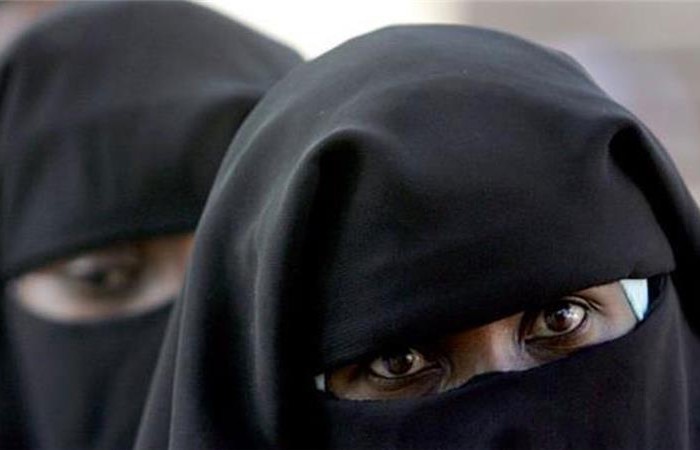
Chad police have arrested 62 women for wearing full veils in public as the country steps up security against following a multiple suicide bombing attack, a police spokesman said. Authorities also arrested eight suspected attackers, police spokesman Paul Manka said on Thursday. The first major arrests of women for the veil ban have been carried out in the capital, N'djamena, since Wednesday in line with "anti-terrorism" measures, he said. Chadian authorities banned wearing full veils in public places in June to prevent suicide attacks, especially by the Nigerian armed group Boko Haram.

What has President Buhari delivered for Nigerian women? No change

Source:
When Muhammadu Buhari swept to power in the March elections in Nigeria, he promised change. Almost five months after his inauguration, Nigerians have mixed feelings as to whether his administration is delivering. The biggest gripe has been the delay in appointing ministers. This, at least, is on its way to being rectified. This month Buhari nominated 37 names to the senate for confirmation. However, a glance at #TheList reveals this was not quite the change for which many were hoping. Only six out of 37 ministerial nominees are women, a measly 16%. Many have also complained about the lack o

Nigeria’s ex-oil minister Alison-Madueke arrested in London – sources

Source:
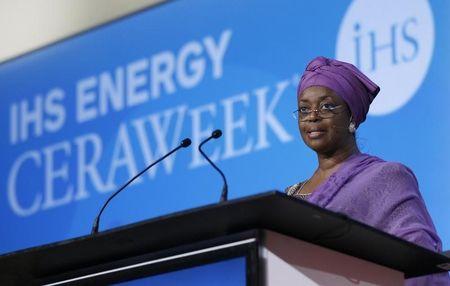
Nigeria's former oil minister Diezani Alison-Madueke was arrested in London on Friday, a source from Nigeria's presidency circle and another with links to her family said. Alison-Madueke was minister from 2010 until May 2015 under former president Goodluck Jonathan, who was defeated by Muhammadu Buhari at the polls in March. Buhari took office in May promising to root out corruption in Africa's most populous country, where few benefit from the OPEC member's enormous energy resources. A police spokesman in London said he had no record of such an arrest. The National Crime Agency did no

She’s the boss: Jiba’s stunning comeback

Source:
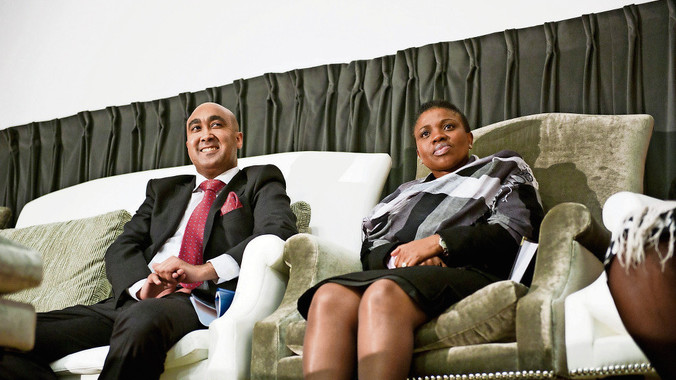
Advocate Nomgcobo Jiba this week cemented her position as one of the most powerful people in the National Prosecuting Authority (NPA) – even, some critics argue, emerging as its de facto boss. Shaun Abrahams, the 39-year-old prosecutor appointed by Jacob Zuma to succeed Mxolisi Nxasana as the national director of public prosecutions (NDPP), on Tuesday announced the withdrawal of perjury charges against her and a “reshuffle” of the NPA executive. Although he refused to be drawn on the details, the NPA has not denied reports that Jiba has been appointed to lead a new division combin

Why black women in South Africa don’t fully embrace the feminist discourse

Source:
There are at least two aspects to consider in understanding the reluctance of many black women to fully embrace women’s rights discourse and make violence against women a matter of political importance. Firstly, this has to do with the historical context of the discourse and how black women joined it. Secondly, black women have different perceptions of current pressing needs and priorities in their struggles for basic survival and broader communal liberation. This reluctance has not stood in the way of women being active in South Africa’s struggle against racial oppression. The country

Sierra Leone urged to ban FGM after backing women’s rights treaty

Source:
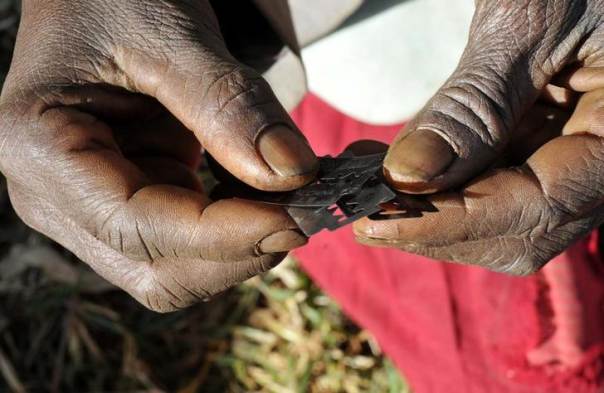
Sierra Leone's decision to back an international treaty on the rights of women in Africa could lead to a new law banning female genital mutilation (FGM) in a country where the practice is rife, campaigners said on Tuesday. The Ebola-hit country last week became one of the last West African nations to ratify the Maputo Protocol, which addresses a range of issues including FGM, violence against women, child and forced marriage, and women's economic empowerment. The treaty, which was first adopted by Mozambique in July 2003 and has been ratified by 37 African states to date, should compel S

59% of Algerian women think husbands have right to beat them

Source:
A study on 15 to 49-year-old Algerian women shows that 59 percent of them say that the husband “has the right to hit or beat” his wife. Violence is even more accepted by women who live in the countryside, who are or were married, and who older than 45. Worse, 76 percent of uneducated women and 70 percent of the poorest think husbands can beat their wives. Nearly half of Algerian women justify this kind of violence if the wives don’t show respect to their in-laws or if the wife is too independent.

Women business leaders are knocking on the doors of Africa’s boardrooms

Source:
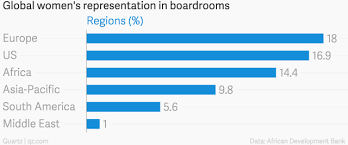
Women business leaders in Africa say companies on the continent need to work harder at including female members on their boards, a new report (pdf) by the African Development Bank (AfDB) reveals. Africa’s influential financial institution examined the boards of companies that are listed on the stock exchanges of 12 of the largest economies in the region. They found the continental average of women sitting in boardrooms to be 4.6% lower than the global average. The data shows for the majority of African companies, there is at least one woman board director. Nevertheless, 32.9% of fi

Alarming rise in suicide bombings by underage girls

Source:
There has been an alarming spike in the number of suicide attacks carried out by the Islamist terrorist group Boko Haram using underage female bombers in northeastern Nigeria, according to a new report released by the United Nations Children’s Fund (UNICEF). The UN agency reported 27 such attacks in the first five months of this year, compared with 26 for the entirety of 2014. At least three-quarters of the attacks in crowded target areas like busy markets and bus stations were carried out by female bombers, some approximately as young as seven.

The World’s Hardest Country for Women

Source:
At age 14, Amina should have been in school. Instead she became a bride, and six years later, living in abject poverty, she still endures the painful aftermath of the prolonged labor that led to the death of her baby during childbirth. In the rural Hausa tradition in northern Nigeria, it is expected that women give birth at home. Any woman who cries out while in labor is presumed to be weak. But when Amina’s situation got worse, she had to be rushed by her siblings to the hospital. By the time she got there she had lost her baby. The prolonged obstructed labor left Amina with a fistula

Algerian female police officers forced to quit to get married

Source:
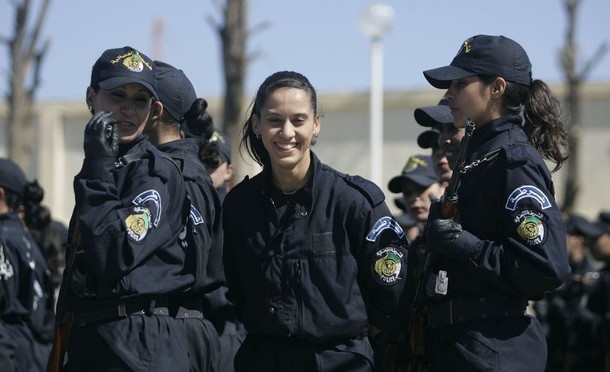
Women in Algeria who manage to become police officers and get married are very rare. Most female cops in the country either remain single or must give up their careers if they want to have a husband and a family. In Algeria, people who are employed by the national security forces – the police, the army, etc. – must comply with a strict background check when they decide to marry. If a woman’s future life partner has a chance of failing the investigation, she is forced to choose between her job and marrying him.

Child bride cleared of murdering her husband

Source:
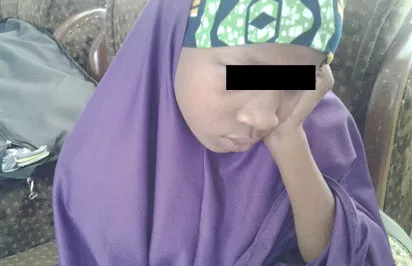
A Nigerian child bride accused of murdering her husband with rat poison has had the charges against her dropped by the prosecutors. Wasila Tasiu, now aged 15, was on trial for culpable homicide in Nigeria’s northern Kano State over the April 2014 death of the farmer she had been forced to marry in a customary Islamic child marriage.

Read the world's local women's news


How does Femina work?

  • Step 1
    1
    Local Country Editors From Around the World
  • Step 2
    2
    Choose News Articles From Their Countries’ Local Language Papers
  • Step 3
    3
    Summarize & Contextualize The Stories In English

Got it!

Swipe for more Top Stories


Got it!