Some Iranian women take off hijabs as hard-liners push back

Source:
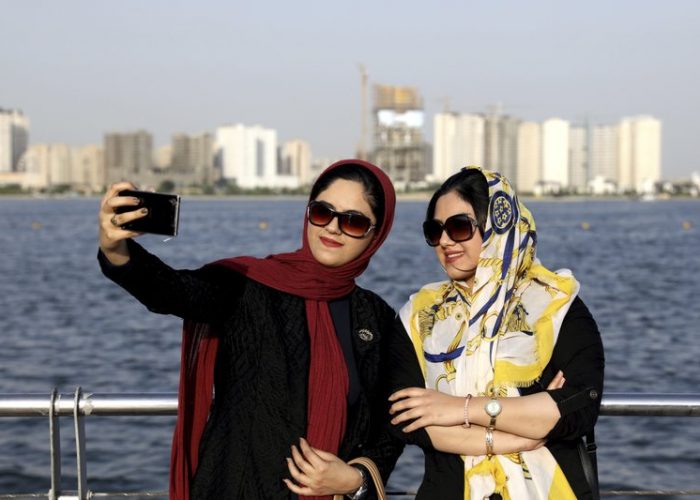
The simple act of walking has become a display of defiance for a young Iranian woman who often moves in Tehran’s streets without a compulsory headscarf, or hijab. With every step, she risks harassment or even arrest by Iran’s morality police whose job is to enforce the strict dress code imposed after the 1979 Islamic Revolution. “I have to confess it is really, really scary,” the 30-year-old fire-safety consultant said in a WhatsApp audio message, speaking on condition of anonymity for fear of repercussions. But she is also hopeful, saying she believes the authorities find it
6 pervasive misconceptions about Iranian women

Source:
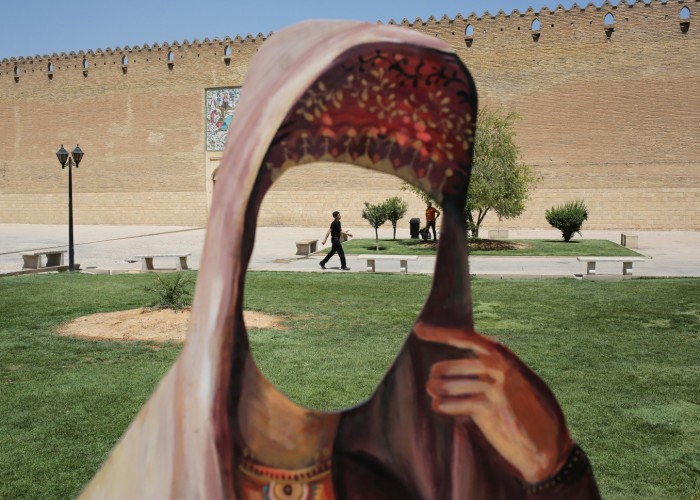
The historical narrative of the “woman question” in Iran is an intricate labyrinth, not a story that can be accurately recounted by portraying women as either “oppressed” or “liberated” during a particular historical period. In fact, that audacious history winds through unexpected twists and turns, gains and losses, triumphs and defeats. Yet the complexity of this story is often lost amid misperceptions. The popular version of events goes something like this: During the Pahlavi Monarchy, women were on an upward trajectory. In a nation on the cusp of modernity, women actively par

At 65, hassidic woman from Bnei Brak becomes oldest in Israel to give birth

Source:
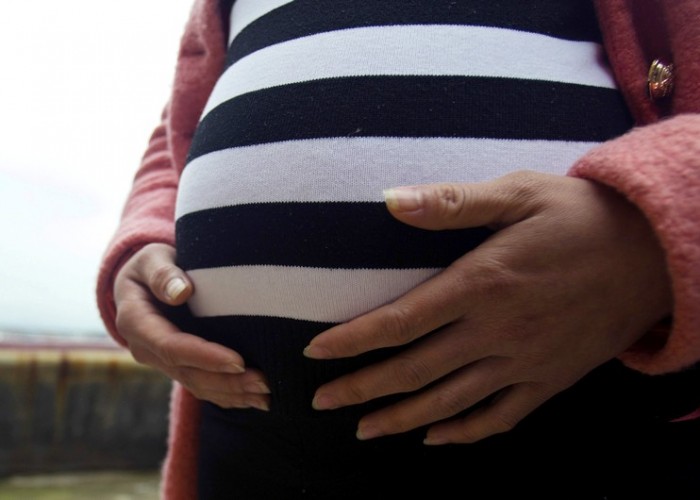
Haya Shahar, a 65-year-old hassidic woman from Bnei Brak who was unable to have a baby during her 46-year marriage to 67-year-old Shmuel, gave birth on Monday to a healthy baby boy by cesarean section at Meir Medical Center in Kfar Saba. It made her the oldest woman in Israel to give birth – not far behind the world record holder, Spain’s Maria del Carmen Bousada de Lara, who was a few days shy of 67 when she gave birth to twins.

Say hello to Israel’s first all-women ultra-Orthodox Jewish party

Source:
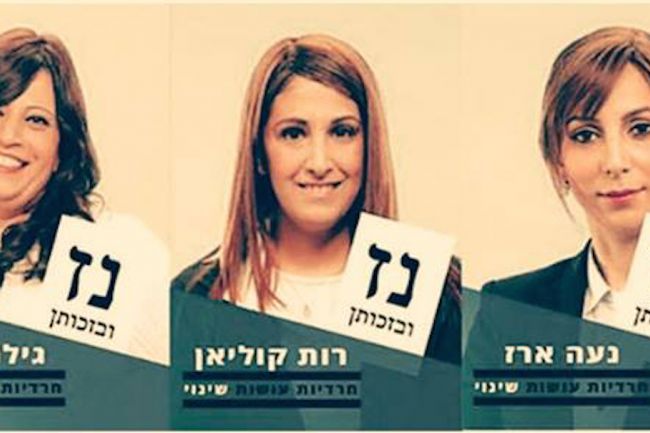
For the first time in Israeli history, a party made up entirely of ultra-Orthodox Jewish women is running in a national election. But the day before Tuesday's vote, its members were embroiled in a court case over whether or not their highly conservative group’s newspapers would even publish their campaign ads. There are two main papers that members of Israel’s ultra-Orthodox Haredi sect read. But their editors say the ads for the all-women party are “offensive to the sensitivities of their community.”  

Women Gain Influence in Israeli Politics

Source:
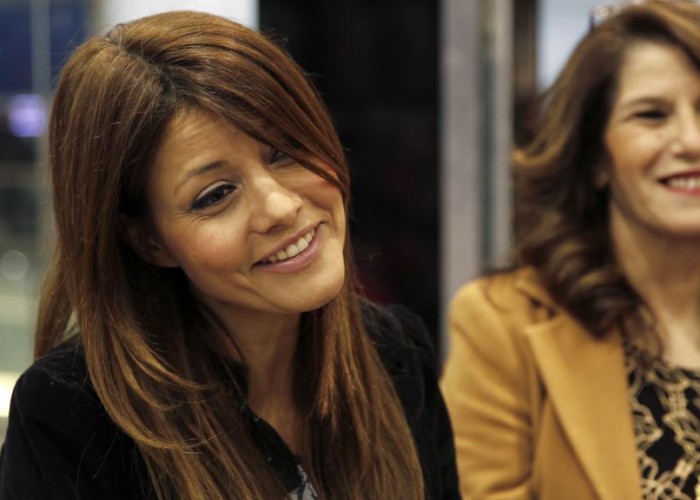
For decades, the prototype for a top Israeli politician has been a tough-talking man with a decorated military past who's big on security. Now, however, women are filling senior positions in parties across the spectrum, and they are influencing the style, tone and manner of Israeli politics. Opinion polls suggest up to 30 women — including a 29-year-old former protest leader and a 49-year-old retired brigadier general — will be elected to the 120-seat Knesset when Israelis vote March 17. If that proves to be the case, Israel will have a higher percentage of female legislators than the U

Congresswoman Pushes for Israel Regime Change

Source:
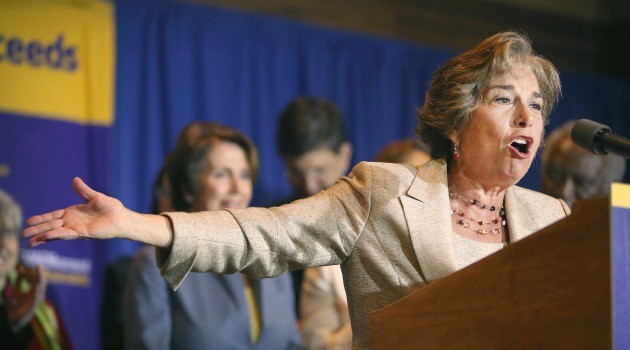
Far from alone in her anger at Israeli Prime Minister Benjamin Netanyahu following his recent speech to US Congress, Illinois Democrat Jan Schakowsky, an eight-term Jewish veteran of Congress and member of the party’s House leadership, is the first to openly urge regime change in Jerusalem. Asked in a March 10 phone interview about steps that can be taken to mend fences between Israel and congressional Democrats, the Illinois eight-term congresswoman told the Forward that the most positive measure would be for Israeli voters to oust Netanyahu.

Israel’s ultra-Orthodox Haredi women form political party

Source:
Israel's first political party created by ultra-Orthodox Jewish women is running a novel campaign for parliament: no media ads or endorsements by key rabbinical authorities, just word-of-mouth recommendations and faith. The party's supporters say it is brave step forward in a society where rabbis prohibit their community members from owning a TV or surfing the Internet, and where women — usually the breadwinners while their husbands focus on religious learning — are expected to keep a low public profile.