Native Women Bring Solar Energy to Chile’s Atacama Desert

Source:
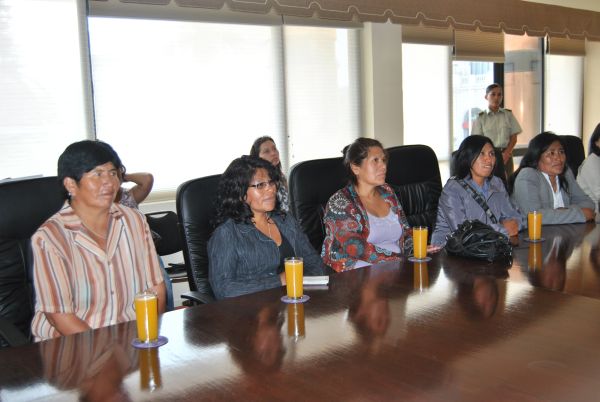
Three indigenous communities from the Chilean highlands have just received solar panels, which will be set up and maintained by unlikely solar engineers: five native women who travelled halfway around the world to India and overcame language and other barriers to bring photovoltaic energy to their villages. Luisa and Liliana Terán are cousins from Caspana, an Atacameña indigenous community; Elena Achú and Elvira Urrelo are from the Quechua village of Ollagüe; and Nicolasa Yufla is an Aymara Indian from Toconce. The three villages, with a combined population of 1,000, are in the Atacama
Badass Women Battle Untamed Mongolian River

Source:
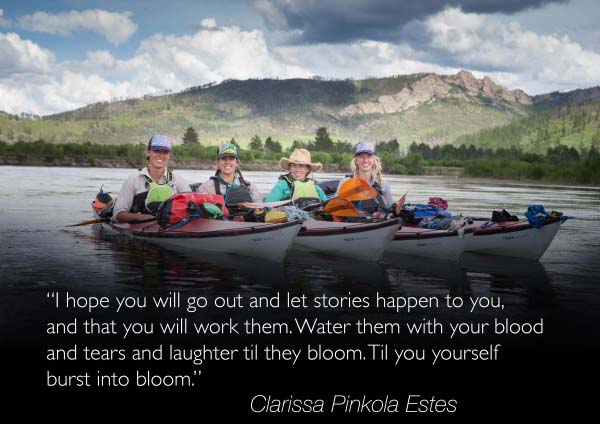
Ocean-sized waves, unreliable navigation, and corrupt officials were just some of the challenges National Geographic grantee, Amber Valenti, faced during her 2,700-mile trip along the Amur River. Valenti, along with three other women, chose to travel the entirety of the Amur through Mongolia and Russia because of the river’s unique nature. “It’s the third longest free-flowing river left on our planet, and with 60 percent of the world’s rivers being dammed now, it was an opportunity to see something that’s truly last of its kind,” Valenti says. But the beauty of the Amur was o

Sylvia Earle: There’s Still Time to Save the Oceans

Source:
The legendary oceanographer talks about why she crisscrosses the globe to protect marine life Pioneering oceanographer Sylvia Earle’s lifelong affinity for the ocean began early. “When I was three years old I got knocked over by a wave, and the ocean got my attention,” she told me at DOER Marine, the ocean technology company in Alameda, California, that she founded. It’s held her attention ever since. A former chief scientist at the National Oceanic and Atmospheric Administration and current National Geographic Society explorer-in-residence, Earle has led dozens of deep-sea missions

Single mom wins top prize for forcing toxic plant closure

Source:
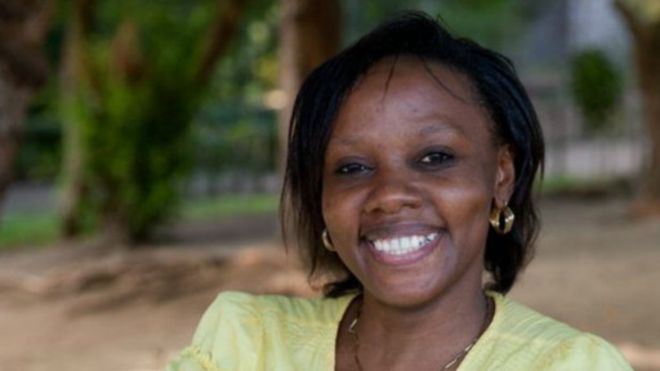
Phyllis Omido, a Kenyan single mother, has won the prestigious annual Goldman environmental prize for her arduous but ultimately successful campaign against a battery recycling plant that was exposing inhabitants of a community in the port city of Mombasa to lead poisoning. As an employee of the factory and, therefore, regularly exposed to its harmful toxic effects, Omido was pushed to act after her own baby son was diagnosed with lead poisoning that he received from the breast milk she had been feeding him. She immediately quit her job to launch a concerted campaign, along with other a

Women Lead on Conservation in Nepal

Source:
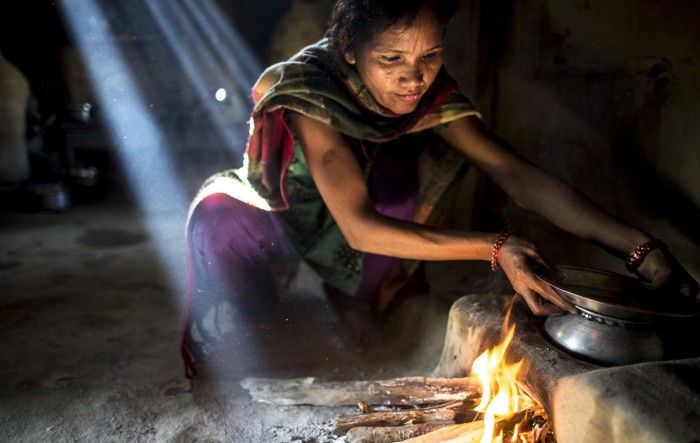
Helping others be healthy is only one of the responsibilities Devi KC has taken on in her remote village, where she serves as a community health volunteer. She is 35 years old, and one of approximately 50,000 people trained in everything from sanitation and nutrition to modern hygiene. Devi lives in Khata, within the long, narrow Terai Arc landscape, which spans nearly 20,000 square miles of northern India and southern Nepal. The region holds endangered one-horned rhinos, elephants and the world’s largest concentration of tigers. Communities here depend on the forest for food, water and s

Thai environmentalists pay for activism with their lives

Source:
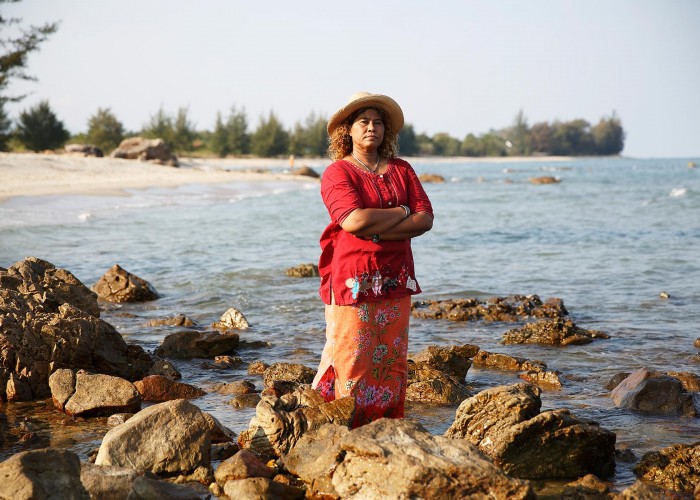
Jintana Kaewkao, a 53-year-old activist, shop-owner and mother of three, arrived at the district government office on March 12 ready for a fight. With local tensions rising over the planned construction of a steel manufacturing plant amid the wetlands and coconut trees of this seaside community of Bangsaphan, Thailand, more than 30 villagers had assembled in the morning heat. Most were women; some had toddlers in tow. They were ready to register their concerns over potential pollution, and a local conglomerate’s questionable land acquisitions, with the district leader. As usual, they w

14 Women Sailed to Sea to Investigate Plastic’s Toxic Impact on Hormones

Source:
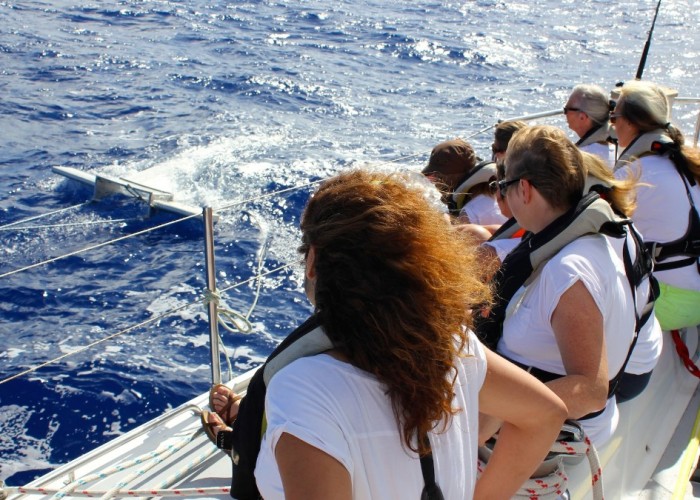
Last November, an all-woman team set out to sail the Atlantic, collecting samples of seawater and plastics as they went. They travelled from Lanzarote to Martinique over three weeks, some of them barely having stepped on a boat before. Their mission, which they named Exxp​edition, was to shine a light on several “unseens”: the unseen plastics and chemica​ls polluting the oceans; the unseen women vastly underrepresented in science and adventure; and the unseen research on women-specific diseases, which they feel has a low public profile. Some studies have shown that we have ove