Muslim and Hindu Women in India Are Both Protesting to Be Allowed into Places of Worship

Source:
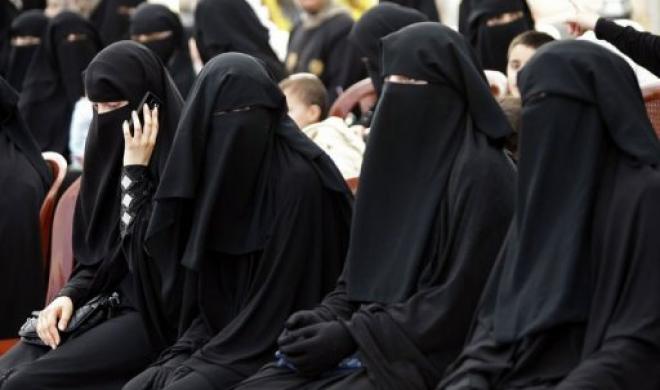
Yesterday in Mumbai, a group of Muslim women gathered at the Haji Ali mosque to protest its practice of excluding females from its mausoleum. The action is part of a growing movement across India for women to gain access to places of worship that, while small in number, continue to be for men only. A much larger protest took place Tuesday in western India, where hundreds of Hindu women marched to the temple Shani Shingnapur intending to force their way in, using helicopters if necessary. Several members of the group Bhumata Ranragini Brigade, led by activist Trupti Desai were prevented by p
Court: Gender bias in Muslim personal law is unconstitutional

Source:
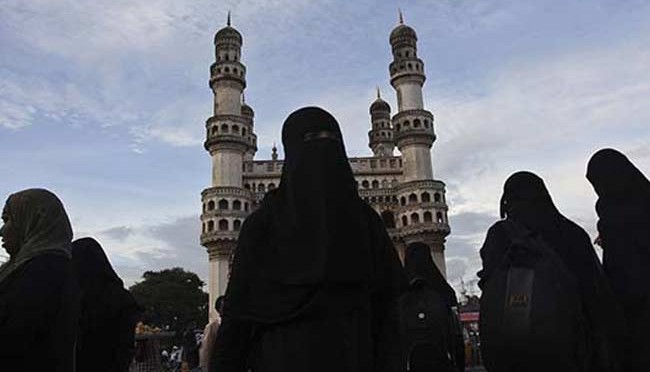
India’s Supreme Court wants to amend the Islamic personal law that governs Muslims in the country and remove provisions in it that are biased against women. The Court says that some parts of the law are unconstitutional because they are discriminating on the basis of sex. The Islamic personal law allows polygamy and the triple talaq system (which permits the man to immediately and unilaterally divorce his wife.)  Women are also discriminated against in succession and inheritance of property. India has separate personal laws for each religion that govern marriage, succession, adoption

Study: 89% Muslim women want government hand in codification of law

Source:
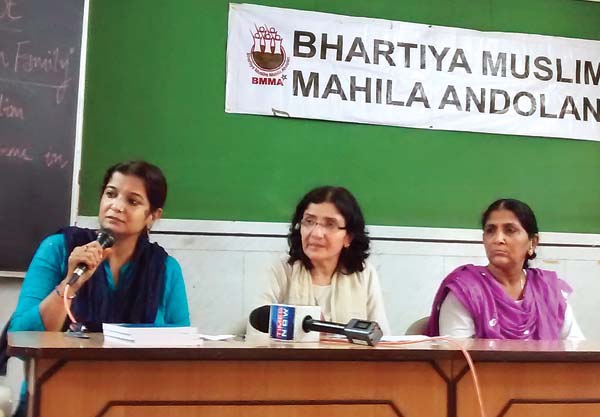
Around 89% Muslim women feel that the government should intervene and help in codification of law and 86% want religious leaders to take responsibility of justice for them. This and many other findings have come out in a study conducted by Bharatiya Muslim Mahila Andolan (BMMA), an organisation that looks to take up rights of Muslim women in particular and women in general. Among the other major findings is that an overwhelming percentage of women (95.5%) from the sample study have not heard about the All India Muslim Personal Law Board (AIMPLB). Formed in 1985, AIMPLB is often considered t

Shia Board hails Supreme Court order on allowing divorced Muslim women to seek maintenance

Source:
The All India Shia Personal Law Board (AISPLB) today said the Supreme Court verdict in connection with granting of maintenance allowance to Muslim women even after divorce has come as a respite to those who are unable to sustain themselves. "The Supreme Court verdict has come as a respite to women not able to sustain themselves and are forced to live in poverty after divorce," AISPLB President Maulana Mirza Mohammad Athar told newspersons here. The Supreme Court in its verdict on April 6 said that divorced Muslim women are entitled to seek maintenance from their ex-husbands under the Cri