Chen Hengzhe: Modern China’s 1st Female Professor

Source:
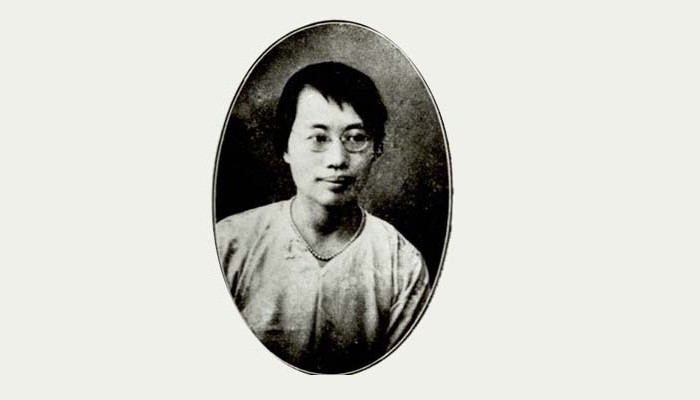
Chen Hengzhe (1890—1976) was the first female professor, and one of the first prolific female writers, in modern Chinese history. Born to a traditional and educated family in Wujin, east China's Zhejiang Province, Chen learned about literature and arts from an early age under the influence of those around her. In particular, her uncle taught her about science, culture and women's spirit of independence in the West. Because of her upbringing, she rebelled against arranged marriage and left home to live with her aunt. In 1914, she was accepted at the acclaimed Tsinghua University as one
Tibetan Women’s Human Rights Situation after 50 Years

Source:
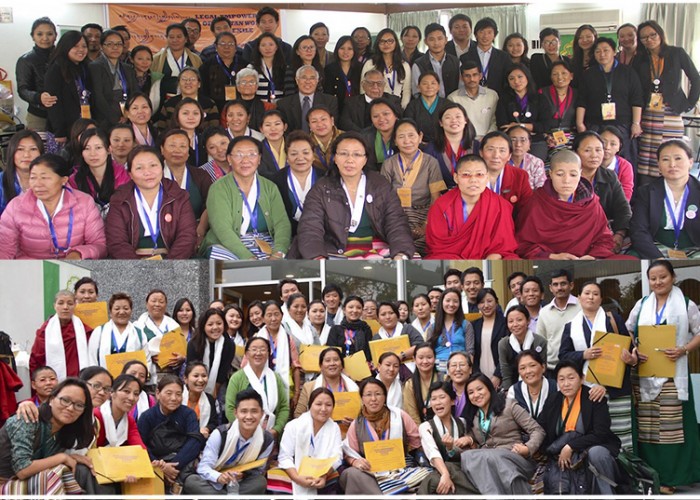
The United States published the Country Reports on Human Rights Practices for 2014 in June of this year, saying that "there were no formal restrictions on women's participation in the political system, and women held many lower-level government positions. Female cadres in the TAR [southwest China's Tibet Autonomous Region] accounted for more than 41 percent of the TAR's total cadres." What is the current situation of women in Tibet then? Let us look at the statistics from the Chinese side. Since the democratic reform was conducted in Tibet in 1959, a large number of Tibetan women have held

Japanese historians release statement, arguing comfort women were forcibly recruited

Source:
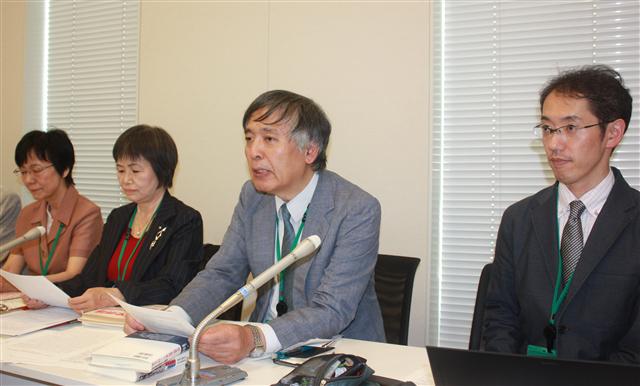
Sixteen Japanese historical research organizations issued a joint statement declaring that the comfort women were recruited “against their will” and that this must be seen as “forced recruitment.” This represents a direct rebuttal of the administration of Japanese Prime Minister Shinzo Abe, which has been distinguishing “compulsion” from “forced recruitment” in an attempt to avoid legal responsibility. On May 25, the Japanese Historical Society and 15 other Japanese historical organizations held a press conference at the second councilors’ hall at the Japanese Diet in T