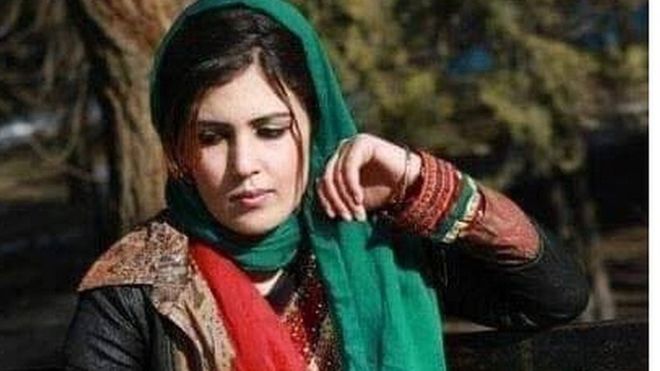
Mena Mangal: Journalist and women’s rights campaigner shot dead in broad daylight in Kabul

Source:
An Afghan journalist and political advisor, who was vocal about women’s rights in the country, has been gunned down in broad daylight, just days after saying she believed her life was in danger. Mena Mangal was shot dead on Saturday morning in a public place while she was on her way to work in the capital city of Kabul. Nasrat Rahimi, a spokesman for the interior ministry, said one or possibly more assailants had escaped the scene but no one has immediately claimed responsibility for the attack and police say it is not yet clear whether the murder was a terror attack or an attack from
Afghan radio station focused on women’s rights is a casualty of the Taliban

Source:
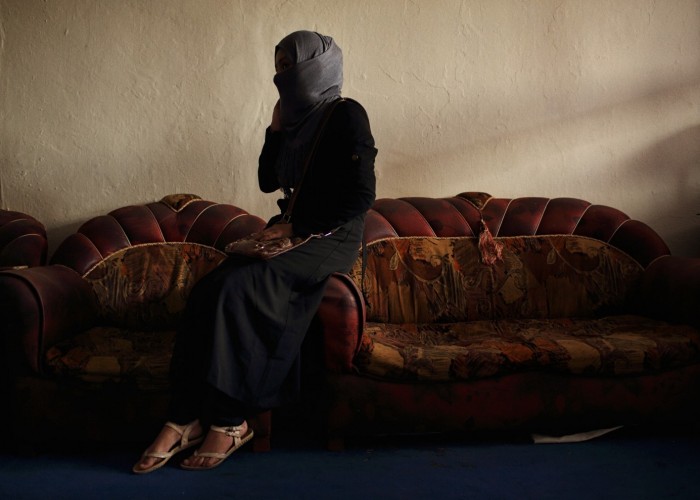
As the Taliban fighters approached, the employees of Radio Roshani fled. They locked the station door behind them, the pre-recorded programs still on the air, seemingly in defiance. On the afternoon playlist was a feature to encourage Afghan women to take part in politics. But it was never broadcast. “The radio was silenced at 2 p.m.,” said station director Sediqa Sherzai, who was listening to the programming shortly after fleeing the compound in Kunduz. By then, Taliban militants had seized the station.

Afghanistan’s Women: Future Clouded by Rampant Violence, Conservatism

Source:
Benafsha should be a poster child for post-Taliban Afghanistan. Born just a year before the fundamentalist group was toppled in 2001, she soon joined the millions of girls who flooded back into classrooms around the country. Propelled by her own hard work plus the promises of a U.S.-backed government and Western countries that were pouring billions of dollars in aid into the war-torn country, she let her ambitions run free. "I want to become a doctor because I want to help people, and I love biology," Benafsha said, smiling broadly. That all ended in March, when her mother and brother

UN: No justice for Afghani female victims of violence

Source:
The United Nations recently reported that women in Afghanistan who are victims of domestic violence are increasingly denied proper justice due to legal gaps and cultural pressure. Only 5 percent of abuse cases result in criminal prosecutions and punishment for the perpetrators, the UN Assistance Mission in Afghanistan (UNAMA) said. Victims often opt for resolving disputes through mutual agreements and reconciliation due to perceived deficiencies in the criminal justice system, including allegations of corruption, abuse of power, lack of professionalism, cultural, and family pressure.