Are women better ultra-endurance athletes than men?

Source:
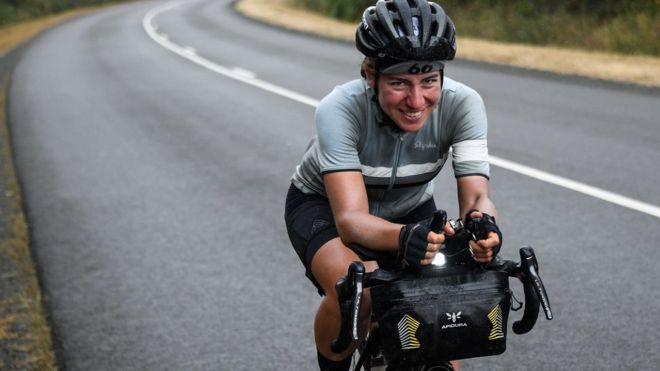
Through thunderstorms, scorching heat and icy rain, Fiona Kolbinger cycled 2,485 miles (3,999km) in a little more than 10 days over some of Europe's most demanding terrain. In doing so, the German cyclist became the first woman to win the Transcontinental Race this week. That in itself was remarkable: it was the first time she had formally competed in an ultra-cycling event. But what was all the more remarkable was the fact she finished the brutal journey from Bulgaria to France a full 10 hours ahead of her closest opponent. "I am so, so surprised to win," she said. "When I was coming i
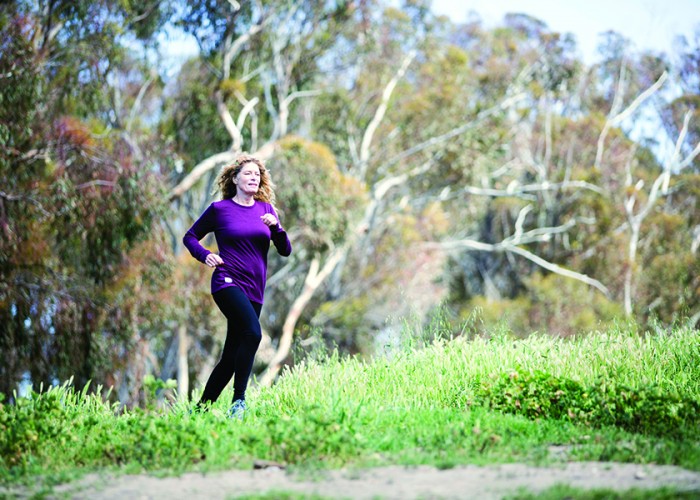
The Real Story of the First Woman to Run the Boston Marathon

Source:
Kathrine Switzer, a 20-year-old journalism major from Syracuse who finished an hour behind Gibb in 1967, was wearing a race number obtained by pretending she was a man on her race application and using only her first and middle initials. She became the face of women’s running when photos of enraged race director Jock Semple trying to physically remove her from the race ricocheted around the world. Switzer went on to a successful career as an author, speaker and TV commentator, won the 1974 New York City Marathon, finished second in Boston in 1975, and earned Runner’s World’s Female Runn

Meet the Women’s Wimbledon Champion Who Was Also a Spy

Source:
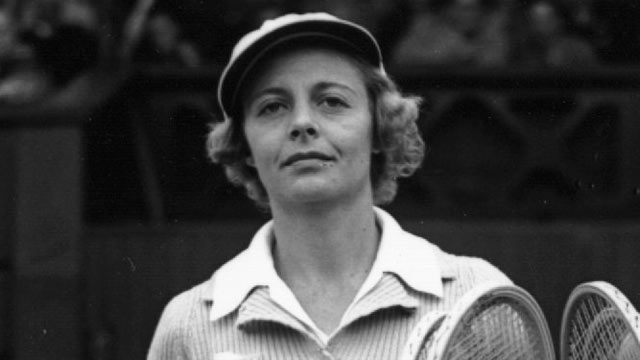
Alice Marble’s tennis career was enough to make her a legend. She was the No. 1 female player in America between 1936 and 1940, a winner of 18 Grand Slam championships, an International Tennis Hall of Famer and the first woman to adopt the serve-and-volley style of play. Her aggressive nature on the court led some to say (critically) that she played like a man. But it’s the fascinating life Marble lived off the court that makes her more than just a memorable athlete. By the time her career got underway, Marble had overcome a great deal of adversity. In her second autobiography, Courting

Women in chess: the role of innate-ability beliefs

Source:
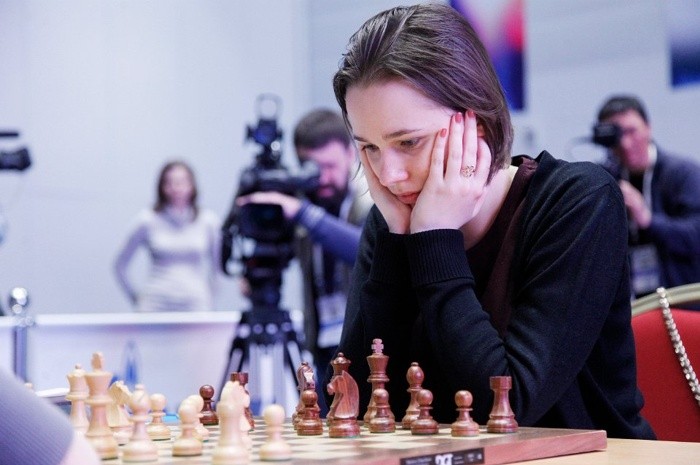
Gender differences in chess achievement were recently thrown into the spotlight once again, by a rather sardonic article by Nigel Short. Since the available statistical evidence indicates that gender differences in achievement are largely or entirely due to differences in participation (Chabris and Glickman, 2006, summarized here; Bilalic et al., 2009), the causes of this participation gap should be the primary focus of attention. Even if, like Short, one does not believe those studies, the participation gap might be of interest in its own right. Much has been written about why far fewer wo

Science Is Still Trying To Figure Out What Makes A Female Athlete

Source:
In 2013, professional sprinter Dutee Chand was banned from competing as a female athlete. She wasn't accused of doping, and she wasn't accused of not being a woman—she was born and raised as a girl. Instead, her hormones were at fault. Chand's natural testosterone levels fall into a male range, and according to international regulations, she can't compete again until her testosterone lowers to a more ladylike level—a process that would require drugs or surgery. Chand refuses, and in March she challenged the ban. Switzerland's Court of Arbitration for Sport is expected to come out with a