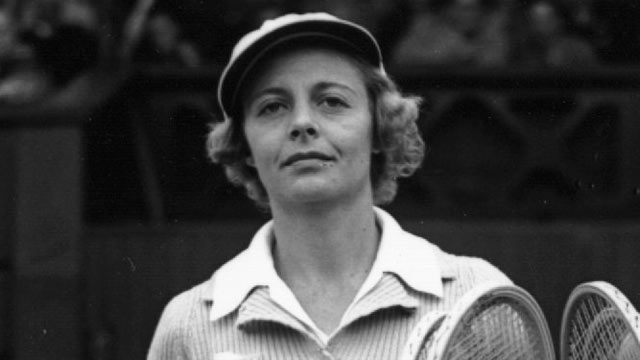
Meet the Women’s Wimbledon Champion Who Was Also a Spy

Source:
Alice Marble’s tennis career was enough to make her a legend. She was the No. 1 female player in America between 1936 and 1940, a winner of 18 Grand Slam championships, an International Tennis Hall of Famer and the first woman to adopt the serve-and-volley style of play. Her aggressive nature on the court led some to say (critically) that she played like a man. But it’s the fascinating life Marble lived off the court that makes her more than just a memorable athlete. By the time her career got underway, Marble had overcome a great deal of adversity. In her second autobiography, Courting
Charting five of culture’s most radical women

Source:
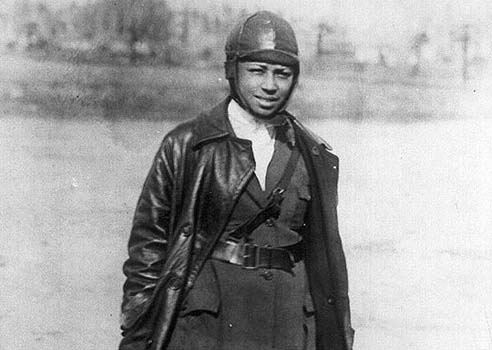
From M.I.A to a surrealist feminist photographer and the first black female aviator, designer Claire Barrow is set on celebrating high flying females Designed by Jamie Reid and printed by Ditto Press, Claire Barrow’s High Flyers zine is a comic-book manifesto for her label’s aesthetic. Juxtaposing early female aviators (“[They] fought stereotypes of what women at work should be,” says Barrow) with the bathetic grind of the 9 to 5, it insists on the inner strength of the modern-day woman at work. After last season’s dystopian mythmaking, AW15 staked a battleground closer to

Early men and women had gender equality, say anthropologists

Source:
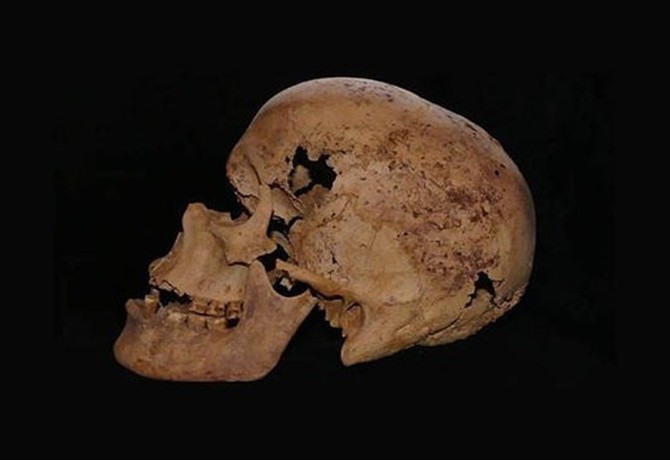
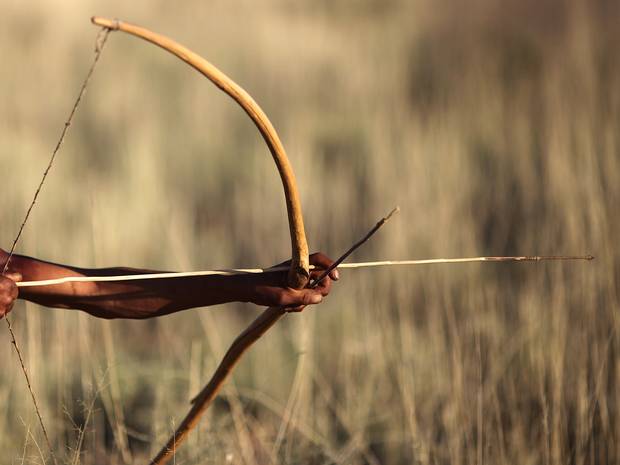
A study has shown that in contemporary hunter-gatherer tribes men and women tend to hold equal standing and influence, suggesting that sexual equality was the norm for humans throughout most of our evolutionary history. Mark Dyble, the leading anthropologist on the study at University College London, said: “There is still this wider perception that hunter-gatherers are more macho or male-dominated. We’d argue it was only with the emergence of agriculture, when people could start to accumulate resources, that inequality emerged.”

Femininity in Kevlar: Nao Bustamante’s women of the Mexican Revolution

Source:
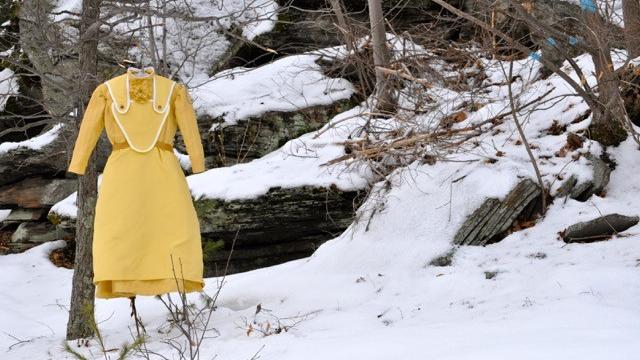
On the surface, the lemon-colored outfit that resides on a mannequin in artist Nao Bustamante's studio is the very picture of femininity: a late-Edwardian ensemble, it consists of a floor-length skirt and a fitted jacket with dainty puff sleeves. It is the sort of fine frock you might expect to see on the subject of a late-Impressionist painting. Except for the fact that this graceful dress is made entirely out of bullet-proof Kevlar. For five years, Bustamante has been researching the role of women in the Mexican Revolution — in university archives and research facilities and thr

Has there ever been a women-only army?

Source:
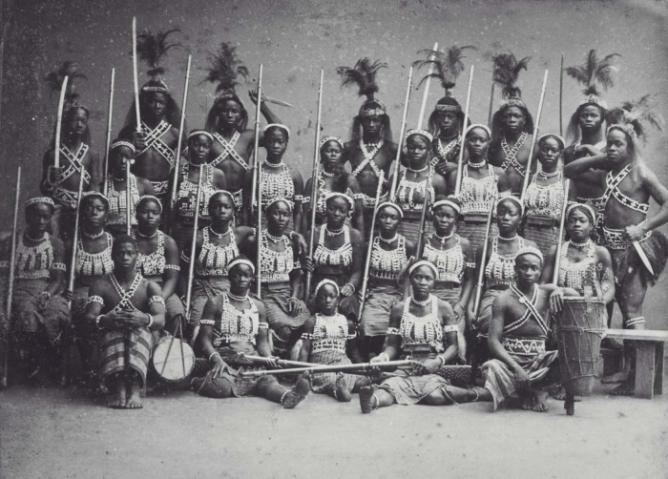
The Ministry of Defence has long debated whether women should fight for the nation’s armed forces, but King Gezo of Dahomey had no such reservations The Kings of Dahomey (modern-day Benin) had used women as palace guards back in the 18th century, but by 1850, Gezo had thousands of all-female regiments in his army. The Dahomeans were fighting enemies who greatly outnumbered them, so it was decided to bolster their forces with fierce female warriors, known as the Mino. They were skilled and deadly opponents, thanks in part to their often brutal training. The Mino climbed thorn hedges to

Oppression by Omission: Women Soldiers Who Dressed and Fought as Men in the Civil War

Source:
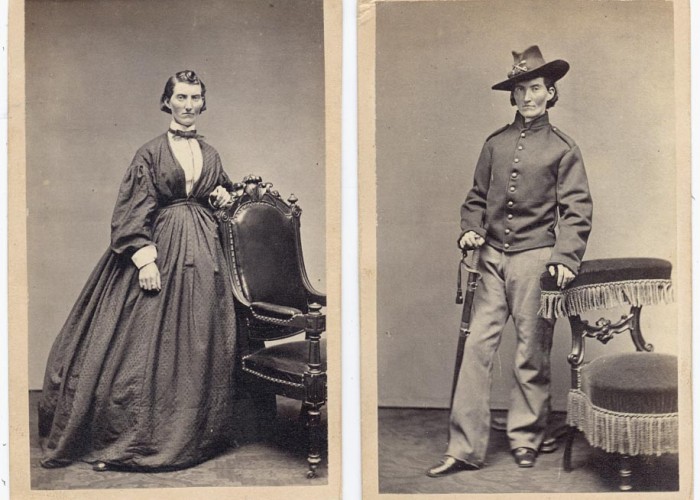
“Women lived in germ-ridden camps, languished in appalling prisons, and died miserably, but honorably, for their country and their cause just as men did.” Conventional narrative has framed the Civil War as a man’s fight, with historical accounts focusing almost exclusively on the men who fought as Yanks and Rebs in the 1860s. But such commonly accepted accounts present, like all history, a revisionist history that excises the stories of the women who, despite the extraordinary obstructions of the era, took to the battlefields. In They Fought Like Demons: Women Soldiers in the Civil War