Maternity leave discrimination means 54,000 women lose their jobs each year

Source:
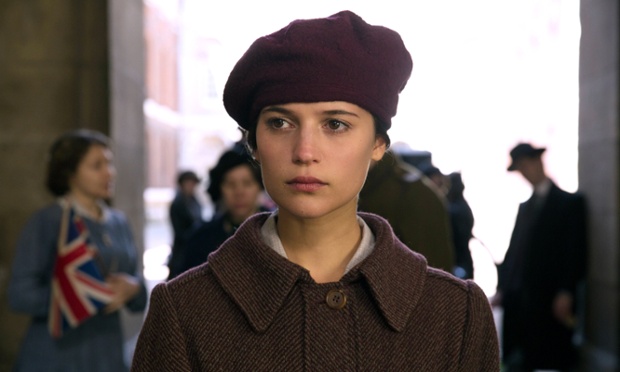
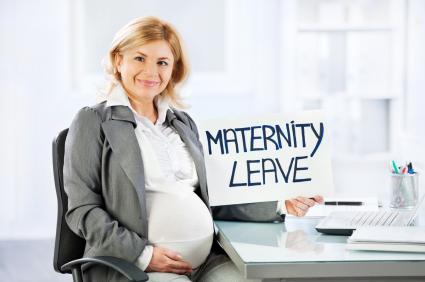
Women returning from maternity leave are more likely to face discrimination in the workplace than they were a decade ago, according to a report published today by the Equality and Human Rights Commission. The study by the EHRC estimates that around 54,000 new mothers are losing their jobs across Britain every year – almost twice the number identified in similar research undertaken in 2005. It also found that 10% of women were discouraged from attending antenatal appointments by their employers, putting the health of mother and baby at risk. Caroline Waters, deputy chair of the EHRC,

Welfare cuts have hit women hardest – a step back on the path to equality

Source:
There’s no avoiding the facts: austerity has been gendered. In fact, 74% of the money cut by the coalition via changes to the benefits and tax system has come from women’s pockets. As the coalition’s first term draws to a close, it seems a reasonable moment to ask: has the government’s programme of austerity disproportionately attacked women? It’s difficult to argue otherwise when in the past five years, studies have repeatedly shown that women have borne the burden of cuts to welfare. Last month the Fawcett Society reported that a staggering 74% of the money saved from benefit

Women’s war stories are finally being told. But let’s not pretend war is romantic

Source:
If you accept, as I do, the notion that feminism is by nature anti-war, then the increased presence of women in warmongering action blockbusters like Man Of Steel (which was used by the National Guard as a recruitment drive) and Battleship should not be applauded. This “feminising” of traditionally boys-own pop culture ties into the ongoing debate about whether or not it is a “feminist issue” to have women on the front line. On the one hand, there’s a school of thought that says equality is reached when female soldiers are considered as capable as their male counterparts. The logi

End of an era: 10 Labour women who changed the face of Westminster

Source:
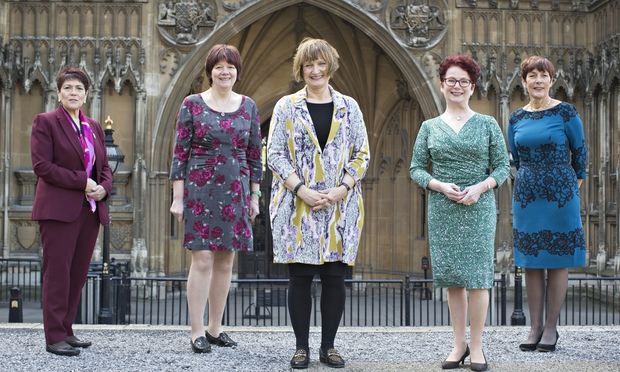
When the 2010 parliament comes to an end on 30 March, 10 of the Labour party’s most high-achieving female MPs and former ministers will be standing down. Some of them began their parliamentary careers in 1987, and together they have clocked up 200 years in parliament. The list includes two former secretaries of state – Tessa Jowell and Hazel Blears – and five former ministers or junior ministers – Anne McGuire, Meg Munn, Dawn Primarolo, Glenda Jackson and Joan Ruddock, as well as former parliamentary private secretary Siân James and committee chair Joan Walley. Their colleague Linda R

Voting feminist: A century after women’s suffrage, why are we refusing to cast our ballot?

Source:
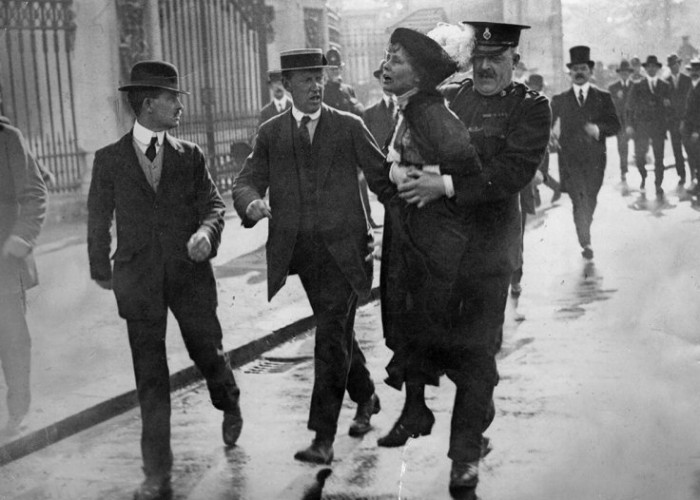
The suffragettes fought tooth and nail to secure the vote for women at the turn of the 20th century, shaking society into a new way of thinking from which there could be no return. Emmeline Pankhurst, one of the most recognisable names in the women's suffrage movement, assaulted police officers, heckled politicians and committed arson, all in protest of the government's refusal to let women vote. And in 1909, Emily Davison was sentenced to a month of hard labour in prison for throwing rocks at chancellor David Lloyd George; four years later she threw herself under King George V's horse, dy

Royal succession shake-up makes female monarchs more likely

Source:
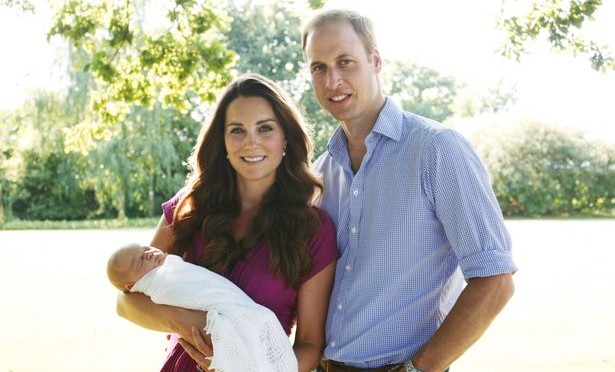
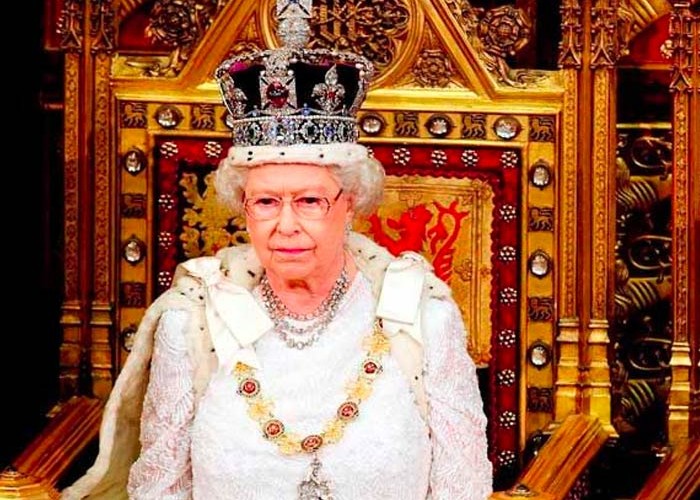
Thanks to a radical shake-up in the U.K.’s royal succession rules, a new law has been enforced to remove male bias. With the Duke and Duchess of Cambridge expecting another baby, the rules were altered to ensure that if their second child is a girl, she won’t be overtaken by any future younger brothers. The law to change the rules of succession was passed by parliament in 2013. However, all countries in which the Queen is head of state were required to pass it before the rule came into effect. Before now, the ancient rules of male primogeniture meant that male sons took precedence o

Fair pay, ma’am! Queen’s staff prepare to take industrial action over low pay

Source:
For the first time in history, the Queen could face industrial action among disgruntled palace staff. Workers at one of the royal family’s most iconic residences, Windsor Castle, are preparing to ballot in a dispute over pay. The Public and Commercial Services union (PCS) confirmed more than 100 of the lowest-paid workers at Windsor Castle are due to be balloted from Tuesday, and will decide whether to take non-strike action in a dispute over pay. Mark Serwotka, the PCS general secretary, called the royal family’s treatment of workers “scandalous.” “These workers are loyal t