



Women’s war stories are finally being told. But let’s not pretend war is romantic
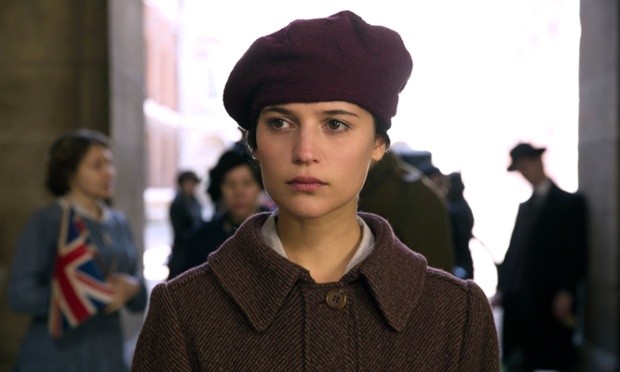
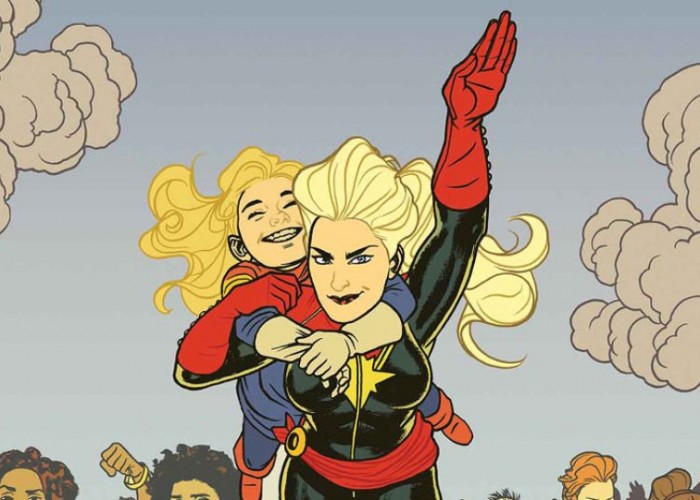
If you accept, as I do, the notion that feminism is by nature anti-war, then the increased presence of women in warmongering action blockbusters like Man Of Steel (which was used by the National Guard as a recruitment drive) and Battleship should not be applauded.
This “feminising” of traditionally boys-own pop culture ties into the ongoing debate about whether or not it is a “feminist issue” to have women on the front line. On the one hand, there’s a school of thought that says equality is reached when female soldiers are considered as capable as their male counterparts. The logical conclusion to be drawn, however, is that they are then just as capable of being blown to smithereens or crippled with PTSD. Is this true liberation? Or is it capitulation to the ultimate patriarchal nightmare of war?
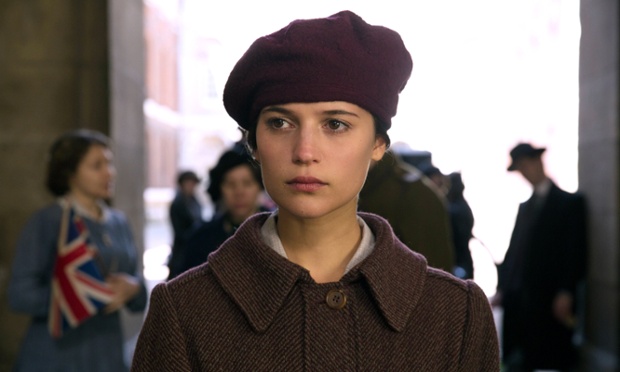
It is often said that women have been written out of history, since the writing of history itself is so often a concern of powerful men. This is true of science, art, cinema and, perhaps most notably, upon this centenary of the first world war, in the telling of the history of “the Great War”.
The stories of the unprecedented number of women who volunteered and served, some at the front, during the first world war have traditionally taken a back seat to the tales of male bravery and derring-do.


