
What has President Buhari delivered for Nigerian women? No change
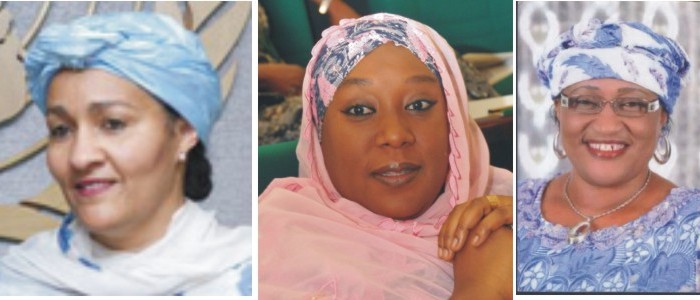
When Muhammadu Buhari swept to power in the March elections in Nigeria, he promised change. Almost five months after his inauguration, Nigerians have mixed feelings as to whether his administration is delivering. The biggest gripe has been the delay in appointing ministers. This, at least, is on its way to being rectified. This month Buhari nominated 37 names to the senate for confirmation. However, a glance at #TheList reveals this was not quite the change for which many were hoping.
Only six out of 37 ministerial nominees are women, a measly 16%. Many have also complained about the lack of youth representation in the proposed cabinet of a country where the median age is 17.8 years old. In the last administration, 31% of ministers were women. While campaigning, President Buhari promised to implement the national gender policy, which commits to affirmative action and requires that women fill 35% of appointed positions. However, it seems the nature of leadership in Nigeria remains depressingly the same. The president is surrounding himself with ministers mostly like him: older men.
Women politicians also seem to be held to higher standards. People claim women have not done well as leaders. They point to those, like Diezani Alison-Madueke, the former minister of petroleum resources, who was arrested for corruption and bribery earlier this month to show women ministers are corrupt. They gloss over the fact that many men too have been incompetent and corrupt. Indeed the corrupt and violent nature of political contestation in the country puts many women interested in politics off standing for power. Women aspirants have been killed and threatened. They have been persuaded not to stand so particular men can win.


