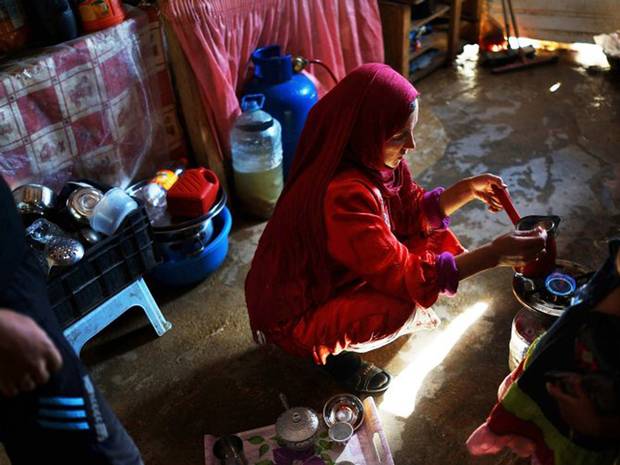
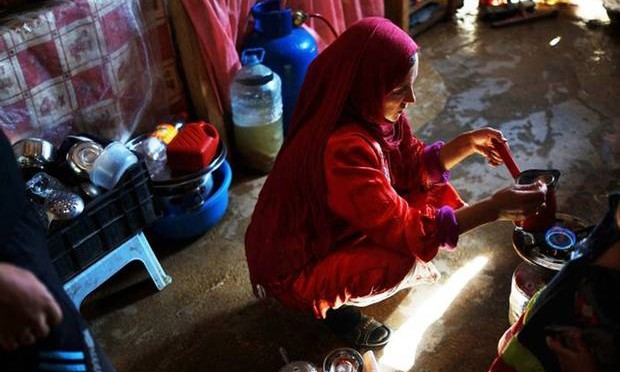
“We women know what’s happening,” she says, having shouldered responsibility for the well-being of dozens who rely on her for basic necessities. “We know what is lacking in our homes.”
There are thousands of informal settlements like this one around the country and all of them have a shawish like Ms Fares. But, unlike here, it’s almost always a man’s job. “Yes, it is usually a man,” she says. “But none of them had a mobile phone.”
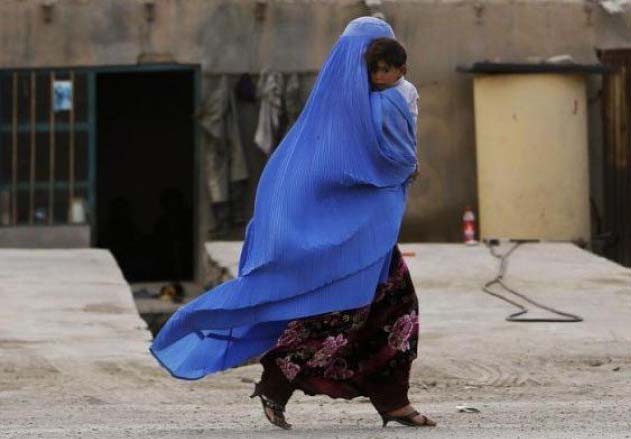
The Syrian civil war, which began in 2011, has now forced more than 3.7 million people to flee the country; a third are in Lebanon – with more than 400,000 refugees in the Bekaa Valley alone. Across the country and largely out of sight, thousands of women are taking up the mantle left behind by men who are fighting, have been killed or simply can’t find any work of their own. Out of necessity, the women have become leaders and protectors of their families, their communities and of other women.