





SOMALIA: The Blurred Line Between Politics of Subjectivity and Women Rights
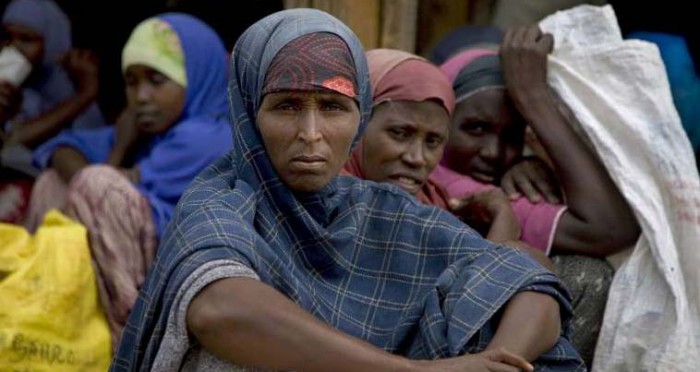
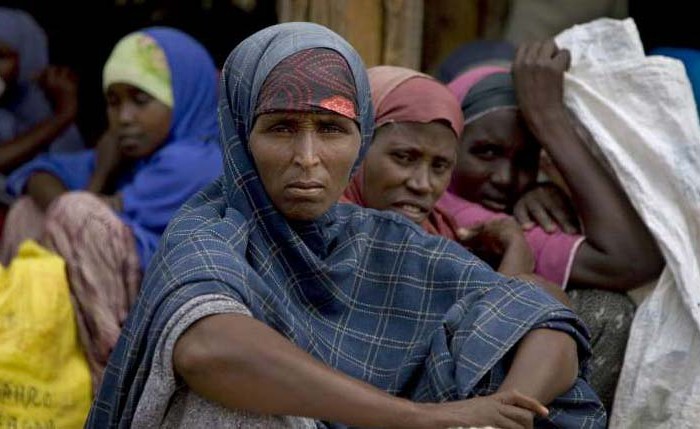
Since the collapse of the central government in 1991, Somalia has suffered from civil-war, widespread famine, broken infrastructure, rampant human, women, and civil rights abuses, poverty, human trafficking, rape, murder and corruption on every level of the society.
Given this backdrop and all the internal and external crises facing Somali society, I was dumfounded to read a recent (March 24, 2015) Somali government press release, in which the government embroiled itself in a diplomatic dust-up between Sweden and Saudi Arabia.
The press release reads:
“The Government of the Federal Republic of Somalia condemns the remarks made by the Swedish Foreign Minister regarding issues pertaining to the internal affairs of the Kingdom of Saudi Arabia. This behavior is clearly prohibited by the diplomatic norms and practices but also international law that governs the relationship between sovereign states”.
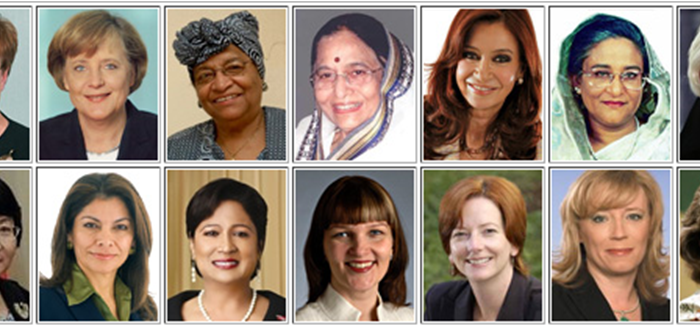
It seems that the government’s involvement in the Sweden-Saudi confrontation on human rights was done selfishly and for purely self-centered reasons that do not foster women’s rights or nation-building. We need to recognize that the status of women’s rights in Somalia speaks to the broader challenge: the cultural impairment of women’s rights, which will require considerable improvement. The fact of the matter is that the action of the Somali government, to support another nation that is known for its violation of women’s rights, is a huge blow to the progress and improvement of women’s rights in Somalia.


