









Shortage of Women in Southeast Asian Politics
Could women’s leadership be the recipe for peace?
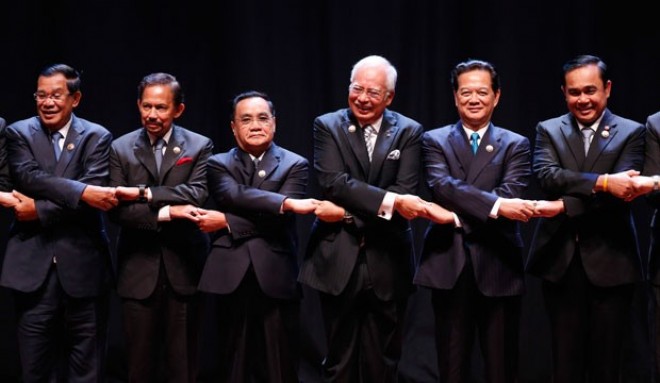
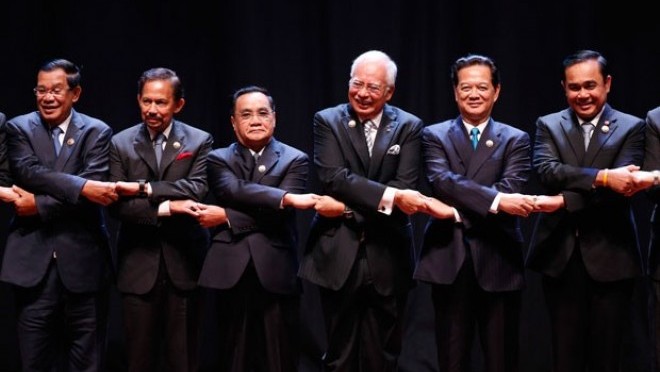
Of the 10 leaders of the Association of Southeast Asian Nations meeting this week in the California with President Barack Obama, not a single one is a woman.
Although across Southeast Asia leadership by women is not new given the region’s legacy of dynastic politics, leadership at the top levels is missing. There has been a recent increase of women in executive positions that suggests a power shift – but not at the top. Still, the change that has occurred holds both political and cultural implications in the region’s approach to conflict resolution and in strengthening gender equality in post-Confucian societies.
Here are the numbers of popularly elected females. In 2013, Park Geun Hye became South Korean President; Aung San Suu Kyi led her NPD party to another landslide victory in December 2015 and will likely play a major role in shaping her government despite a constitutional provision engineered by the junta to keep her from the presidency. In January 2016, Taiwanese Tsai Ing-wen was the first woman to be elected as the island’s president.


Enjoyed every bit of your blog article.Much thanks again. Awesome.