Do women lead, connect and share differently? Subscribe for the latest stories.

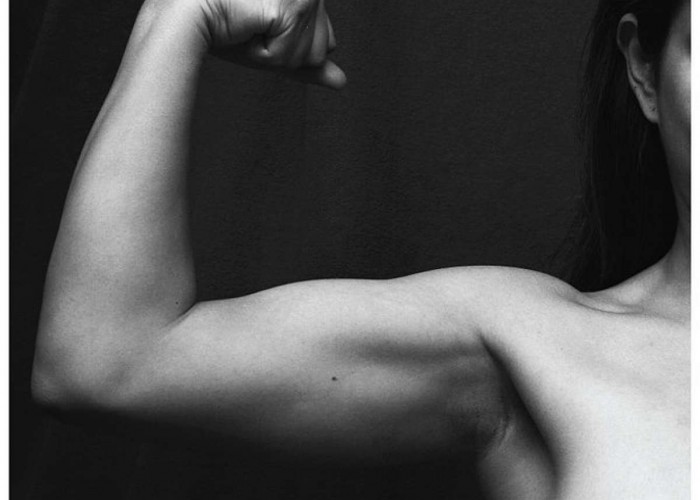
Science Is Still Trying To Figure Out What Makes A Female Athlete

Source:
In 2013, professional sprinter Dutee Chand was banned from competing as a female athlete. She wasn't accused of doping, and she wasn't accused of not being a woman—she was born and raised as a girl. Instead, her hormones were at fault. Chand's natural testosterone levels fall into a male range, and according to international regulations, she can't compete again until her testosterone lowers to a more ladylike level—a process that would require drugs or surgery. Chand refuses, and in March she challenged the ban. Switzerland's Court of Arbitration for Sport is expected to come out with a

Testosterone Rules for Women Athletes Are Unfair, Researchers Argue

Source:
Elite women athletes are currently barred from competing in top-tier competitions, such as the Olympic Games and World Championships, if their testosterone levels are too high. But for women with naturally high levels, this regulation may be premature, as the only two large studies done on testosterone levels in professional athletes give conflicting results on how to define the normal levels for women, researchers argue in a new editorial. Despite the lack of data, the 2011 policy has already barred some women, such as Indian sprinter Dutee Chand, from competing on the world stage.

Sylvia Earle: There’s Still Time to Save the Oceans

Source:
The legendary oceanographer talks about why she crisscrosses the globe to protect marine life Pioneering oceanographer Sylvia Earle’s lifelong affinity for the ocean began early. “When I was three years old I got knocked over by a wave, and the ocean got my attention,” she told me at DOER Marine, the ocean technology company in Alameda, California, that she founded. It’s held her attention ever since. A former chief scientist at the National Oceanic and Atmospheric Administration and current National Geographic Society explorer-in-residence, Earle has led dozens of deep-sea missions

Read the world's local women's news


How does Femina work?

  • Step 1
    1
    Local Country Editors From Around the World
  • Step 2
    2
    Choose News Articles From Their Countries’ Local Language Papers
  • Step 3
    3
    Summarize & Contextualize The Stories In English

Got it!

Swipe for more Top Stories


Got it!