

Is this the week we finally accept Australia has a “women problem”?
This week gender equality has enjoyed some decent airtime on the national agenda. On Sunday the Labor party announced it would seek to achieve 50% representation for female MPs by 2025. On Monday Christopher Pyne called for the Liberal party to make it easier for women to enter politics.
On Tuesday NEEOPA and the Workplace Gender Equality Agency hosted an event about pay equity at Channel 10. Liberal MP Dr Sharman Stone spoke out strongly about the need for action from the coalition and that night Lateline interviewed Kelly O’Dwyer and Kate Ellis on the issue of boosting the number of women in politics.
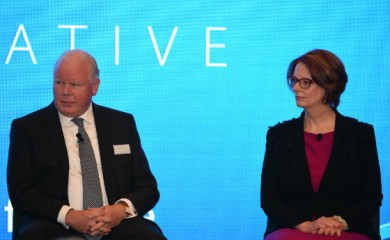
On Wednesday the ANZ released a comprehensive white paperoutlining the price females pay for gender inequality and hosted an event to launch the findings which garnered national coverage. That the former Prime Minister Julia Gillard, former Army Chief LtGeneral David Morrison, the bank’s CEO Mike Smith and chair David Gonski were in attendance underscores the prominence this issue was afforded.
That night Queensland Liberal MP Teresa Gambaro echoed the sentiments shared by Kelly O’Dwyer and Sharman Stone in an interview with ABC 7.30’s Sabra Lane saying it’s time for action.
On Thursday the Human Rights Commission launched a new website calledSupporting Working Parents, with the aim of enabling Australians to balance their caring responsibilities with their working responsibilities.
What does this all mean? Is it just a coincidence that these topics have each received public billing this week? Or could it be that Australia is catching on to the fact we have a rather significant problem with gender inequality? I’m hoping for the latter.
It’s starkly evident and has been for some time, that gender inequality is a growing problem. Yet it’s been consistently dismissed as a side issue, a cause of faux concern expressed by women, or simply non-existent.
Earlier this year Australia earned the dubious honour of being the worst performing country in the OECD for women at work. Truly. We dropped six places to 15th position – the largest drop out of the 27 OECD countries measured – in the PwC Women in Work Index that ranks female economic empowerment.


