












Committedly Islamic, avowedly feminist: Germany’s Islamic feminist movement
There are two general tendencies that govern how Muslim minorities in Europe are spoken about by mainstream European politicians and journalists. One is that the attention is overwhelmingly on Muslim communities living in Britain and France. Other European countries get a mention only when there erupts a crisis or a murder, as was the case in the Jyllands-Posten controversy in 2005 in Denmark.
The other striking tendency is that Muslim minorities in Europe are typically spoken of as distinct from the people and common sensibilities of the nation in which they live. They are taken to be a troublesome minority, one whose existence is alien, and whose very presence raises a “question” for European modernity.
There is a phenomenon in Germany which boldly challenges both of these tendencies that saturate the dominant discourse around Muslim minorities in Europe.
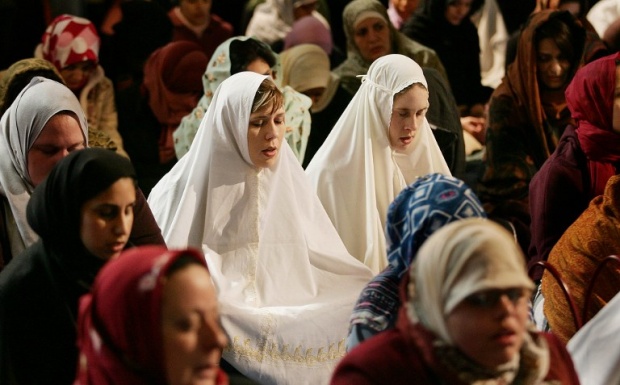
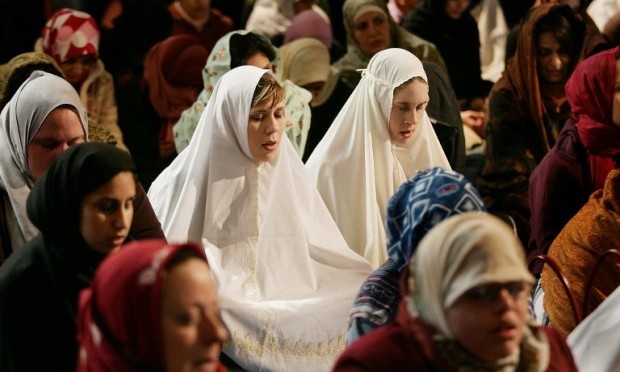
The last fifteen years has seen the emergence and growth of a women’s Islamic movement in Germany. Refreshingly, the movement is not straightforwardly a “Berlin-only” phenomenon. It exists in cities across Germany to be sure, and also has local chapters in smaller residential towns.


