





Can the Central African Republic’s First Female Leader Fend Off Genocide?
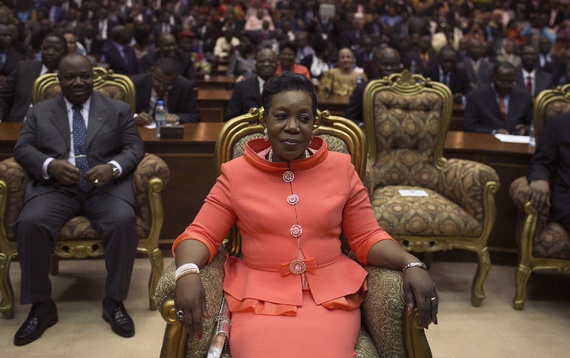
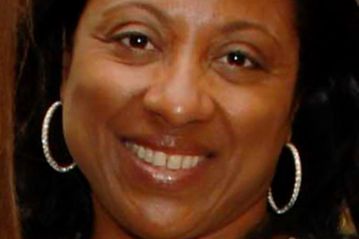
On Thursday, the Central African Republic swore its first female president, Catherine Samba-Panza, into office, with the interim leader vowing to “safeguard the peace” and “strengthen national unity” without “any ethnic, regional, or religious considerations.” It’s a selection that, coming on the heels the European Union’s decision to deploy troops to the country, has prompted speculation that the humanitarian disaster that has plagued the heart of Africa in recent months may be drawing to a close.
“Since independence, men have always run the country and they have failed at the job,” a university student told the AP. “Now, we’re going to try something else with a woman and see how that goes.” (The Washington Post has even cited research showing that the economies of countries with high “ethnic fractionalization” perform better under female leaders.) But such optimism may not be entirely warranted—a point underscored by the UN’s warning, only a day before Samba-Panza’s inauguration, that the Central African Republic was at a “high risk of crimes against humanity and of genocide.” Here’s a brief primer on where things stands.


