










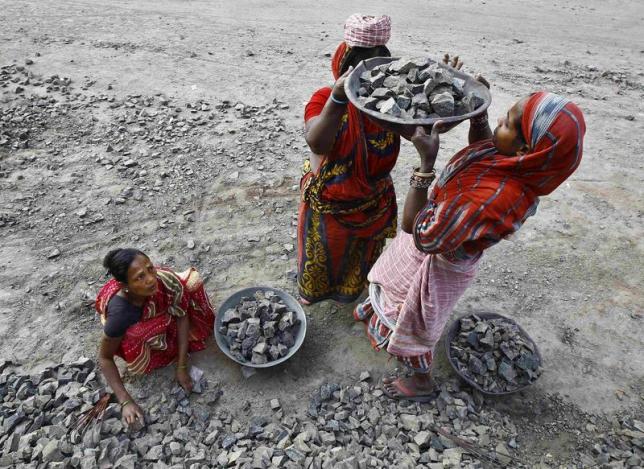




Building India’s cities, silent workforce of women goes unrecognized
When newly-wed Kamlesh was told she would be accompanying her husband to work in the city, she was thrilled at the prospect of a better life than in the drought-prone village in central India where she grew up.
But arriving in New Delhi 12 years ago, crammed into the back of a truck with her husband and dozens of others, Kamlesh was shown a make-shift tent home on a pavement and realized that city life would not be what she had expected.
“We were put to work immediately. The contractors told us to clear all the dirt and soil around the construction site and carry the cement to the masons,” said Kamlesh, 30, wearing a black, white and orange sari, squatting as she broke into a drain with a hammer on a Delhi roadside.
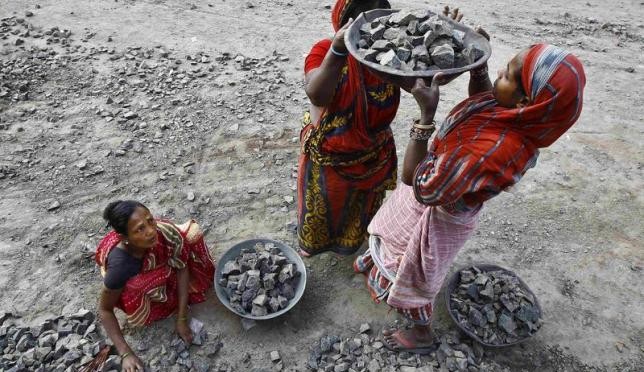
They help build roads, railway tracks, airports, and offices. They lay pipes for clean water supplies, cables for telecommunications, and dig the drains for sewage systems.
But although women make up at least 20 percent of India’s 40 million construction workers, they are less recognized than male workers with lower pay and often prone to safety hazards and sexual harassment.


