




The fallout from a church rape scandal shows the harsh reality of being a woman in Nigeria
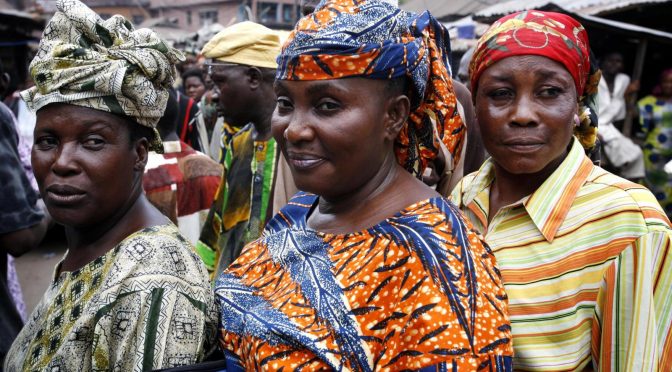
On Sunday, June 30, Nigerian women organized a protest against sexual violence in the church following recent allegations by the wife of a popular singer that the Commonwealth of Zion Assembly (COZA) general overseer pastor Biodun Fatoyinbo raped her when she was 17 years old.
Nigerian women have had a lot to protest lately. In May, there were significant protests after mass arrests of women in clubs and bars at night for alleged prostitution in Abuja, the federal capital city. It’s worth noting none of the men who were apparently being solicited shared the same fate. Soon after their release some of the women shared grim stories of rape and extortion at the hands of the police. The police promised an investigation but not before the assistant superintendent of Police in an interview justified the mass arrests because women “are not supposed to be hanging around outside clubs.”
In the national elections held between March and April, only 3% of candidates—31 out of 938—for National Assembly in the two major parties APC and PDP were women, and only six won, leading to the lowest tally in the country’s democratic history. Women who ran unsuccessfully for office shared harrowing experiences of intimidation and violence at the hand of their party officials forcing them to step down and give up their political ambitions.


