











Saatchi Gallery’s all-female exhibition
Awhite-haired woman looks unnervingly across a huge white space in the Saatchi Gallery from ashen eyes magnified by huge tortoiseshell-framed spectacles. What has she seen? What does she know? And why does her judgment seem so severe?
Ljubica is one of three colossal portraits of older women by Jelena Bulajić that feature in Champagne Life, an exhibition entirely by female artists that opens at the Saatchi next week. Bulajić is in her 20s, but the women she portrays bear the marks of time: they are “old women”, but here one of modern society’s most marginalised identities is painted into power. These faces seem to represent not just themselves but all the oppressed generations who never got the chance to pick up a paintbrush or sell an unmade bed at Christie’s.
For most of history, an exhibition like this would have been inconceivable. Artists were men. The rare women who became professional artists were regarded as freaks or patronised as mascots. The overwhelming absence of female artists until recent times has left a black hole in the history of art. It means the world is only seen through one eye, a male eye, in most of the world’s great art. Venus shivers in our museums, looked at but not looking.
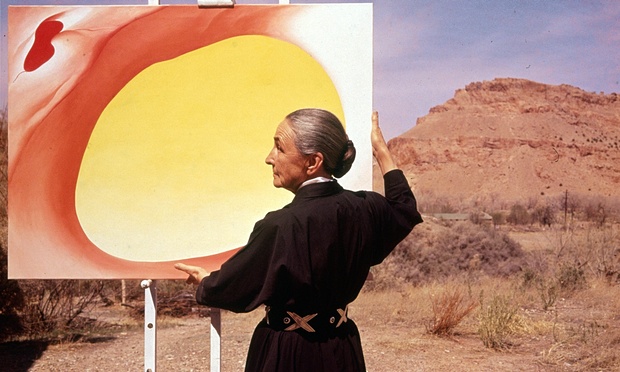
The Saatchi Gallery has resorted to the artistic equivalent of a women-only shortlist in the face of overwhelming evidence that women find it harder to make a name in the art world and earn less money – even at the top. Even when they die famous, female artists are often belittled as minor talents overpromoted by feminists, as is often said of O’Keeffe, Kahlo and the 17th century visionaryArtemisia Gentileschi.


