








Ghana’s market women were once so powerful they were targeted by the military
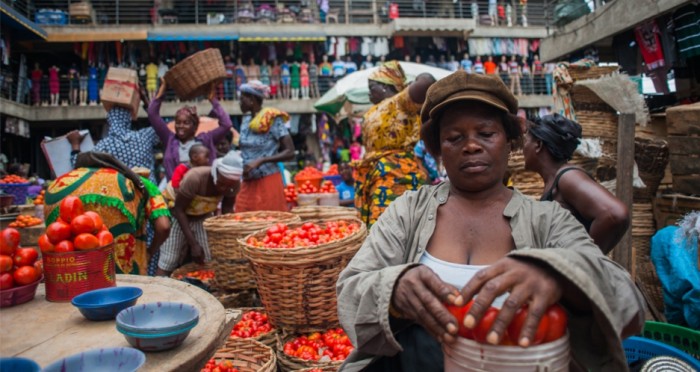
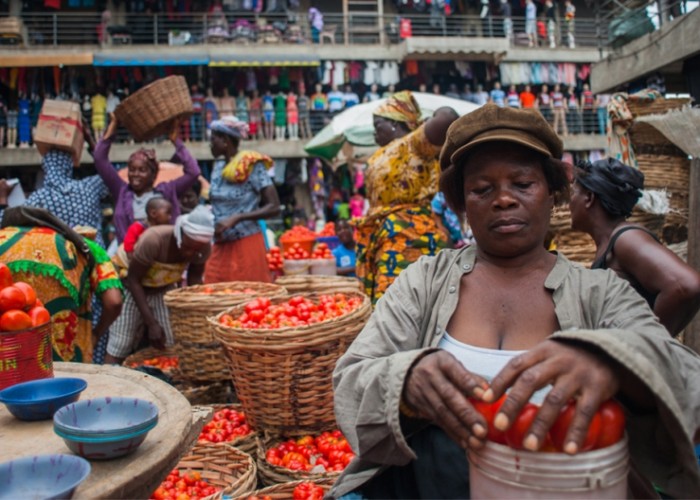
There are corporate-feeling malls and glossy supermarkets popping up all over the West African country. Still, more than 90 percent of people here still do their almost all their shopping at open-air markets, where the stalls are dominated by women, each running a small business.
It’s an encouraging trend, but behind this bright statistic is a dark history: during Ghana’s military coups of the 1970s and 1980s, market women became the target of government terror, blamed for an economic crisis gripping the country.
To understand why that could have happened, you have to first see the market women’s power in action.
Haggling as a sales strategy
Take Matilda Moses, who sells what many consider the finest tomatoes in Accra’s Tudu Market. Her stall is small — a plywood tabletop balanced on an old crate — but she can make the equivalent of $300 in sales in a good week. It’s a tough business, Moses tells me in Ga, the language she speaks: “It can cost you, but it can make you good money.”


