






Urgency and Optimism: Chisholm’s Legacy and the Status of Black Women in American Politics Today
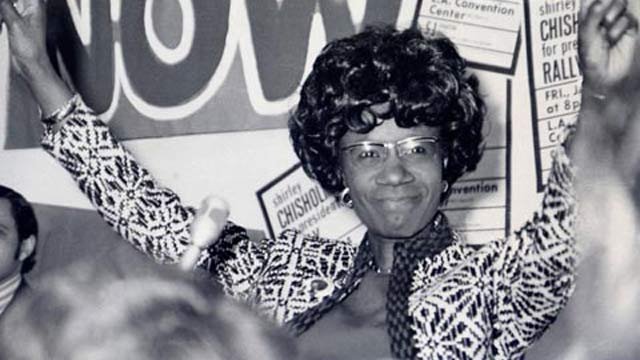
Today would have marked the 91st birthday of an American trailblazer. Congresswoman Shirley Chisholm (D-NY) approached public service with unmatched zeal and urgency. She became the first Black woman elected to the U.S. Congress in 1968, and the first Black person and first woman to win delegate votes at a major party presidential convention in 1972.
Paving the way for those after her by running for and winning elected office is only part of Chisholm’s legacy. As a legislator and educator, she challenged the status quo and advocated for policies that would improve the well-being of the country’s most vulnerable populations. Shirley Chisholm both recognized and embodied the difference women make in politics.
She once said, “At present, our country needs women’s idealism and determination, perhaps more in politics than anywhere else.” This statement rings true today, as Black women remain on the front lines for social progress in the 21st century. Black women — both in and out of elected office, from the streets of Ferguson to the Baltimore courts and the South Carolina state capital — have advocated and agitated for social change that addresses the disempowerment of the Black community and the invisibility of women there.


