




What the Koran really says about women
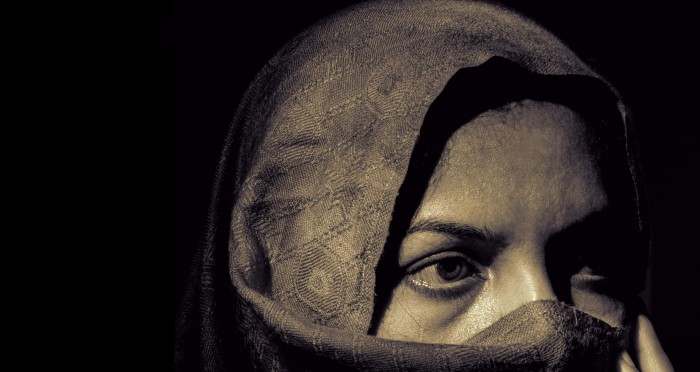
When Middle East correspondent Carla Power began studying the Koran with a conservative Islamic scholar, she wasn’t expecting to learn that it nowhere advocates the oppression of women – or that Islam has a rich history of forgotten female leaders.
When I told a Muslim friend of mine that I was to be studying the Koran with a sheikh, she had one request. “Ask him,”she said, “why Muslim men treat women so badly.”
When I did, he said it was because men weren’t reading the Koran properly.
All too often, people read the Koran selectively, the Sheikh explained, taking phrases out of context.
“People just use it for whatever point they want to make,” he shrugged. “They come to it with their own ideas and look for verses that confirm what they want to hear.”
Women scholars taught judges and imams, issued fatwas, and traveled to distant cities. Some made lecture tours across the Middle East.
At first, I assumed that these women’s names had been forgotten in much the same way that Western women’s lives had been ignored. For most of Western civilization, men wrote history, and they wrote what they knew. Until feminist historians began unearthing women’s achievements after the 1960s, women’s contributions were left unsung.


