










IVF hope for older women, as Adelaide scientists make ‘damaged’ eggs good again
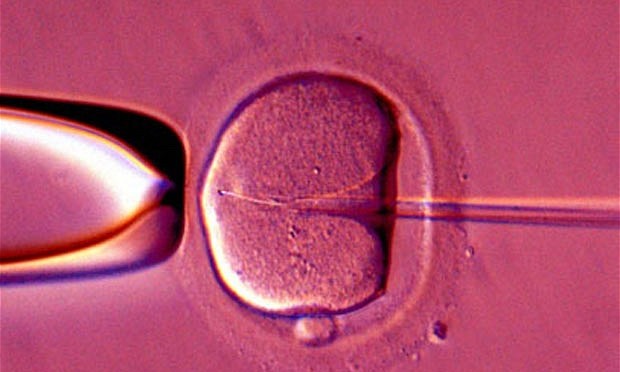
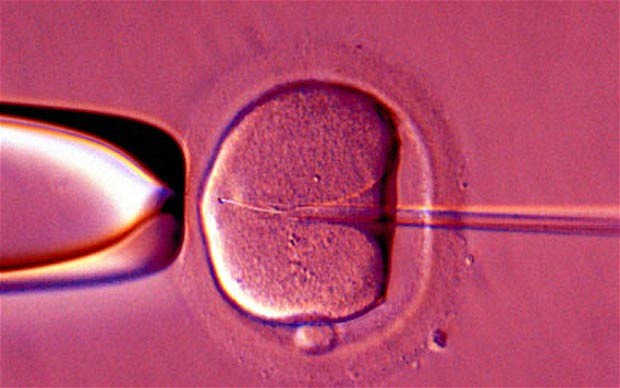
Women over the age of 35 are more likely to have ‘old’ or ‘damaged’ eggs, which will not go on to make embryos in IVF treatment. Now scientists at the University of Adelaide’s Robinson Research Institute have discovered a way to make the ‘old’ eggs viable again, by injecting them with haemoglobin. It offers new hope for the increasing number of older women seeking IVF treatment.
Transcript:
MICHAEL BRISSENDEN: Scientists in Adelaide have made a research breakthrough that may give women a better chance to become mothers later in life.
The team at the Robinson Research Institute have found a way to repair “bad” or “damaged eggs”, making them “good” again.
Jessica Longbottom reports.
JESSICA LONGBOTTOM: It’s a heartbreak that faces many older women unable to conceive even through IVF because their eggs are “too old” and “damaged”.
In 2012 Dr Hannah Brown and her team of researchers started on a mission to try and work out what the difference was between those eggs and “good eggs” that go on to produce embryos.
HANNAH BROWN: We looked inside eggs and we found haemoglobin, which is the protein or the thing that’s inside red blood cells that makes them red. But also we found it on the inside eggs that we use to make a baby.
Read the rest of the Transcript at the source.


