



Can 30 Women in Israel’s Parliament Make a Difference?
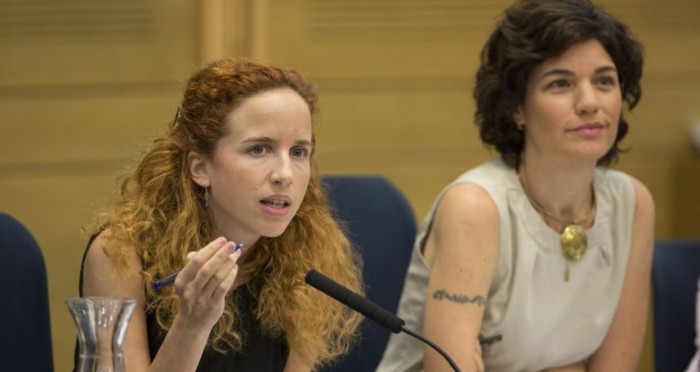
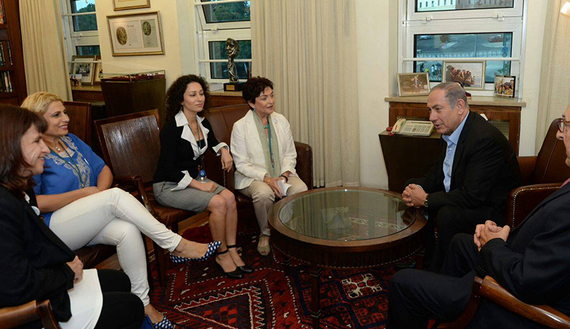
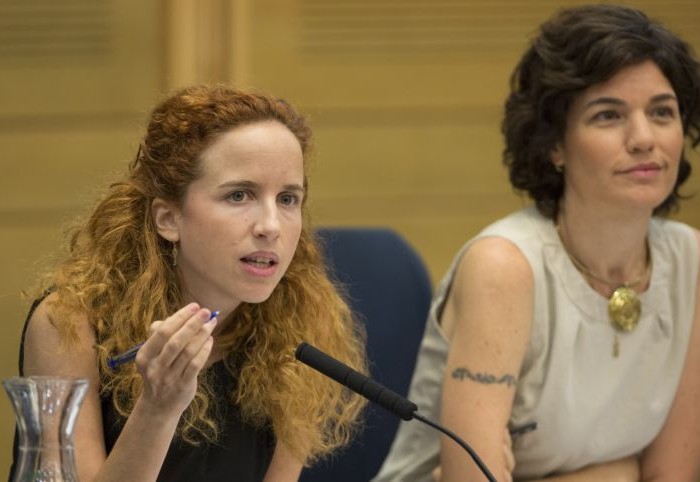
Miri Regev, Tamar Zandberg, Ayelet Shaked, Stav Shaffir. There are a number of women who serve in the Knesset today, and a few are even cabinet ministers. In addition to achieving political prominence, they have also had a taste of the pleasures of sexism: Regev is a “vulgar Mizrahi,” Zandberg is a “leftist in a tank top,” Shaked is a “icy beauty,” Shaffir is a “mischievous redheaded girl,” and there are many, many more examples of such comments.
There is also a record number of women in the present Knesset: 30, a quarter of all MKs. This is of course not a lot: There is no need to remind us that women make up slightly more than 50 percent of the population. Israel ranks only 66th in the world today in female representation in parliament. Nonetheless, this is still an increase over past Knessets.
But the question is what significance does this have? Does a relatively high number of women Knesset members guarantee legislation in favor of gender equality? How much, if at all, does female representation in parliament influence policy towards women?


