




Struggling to pave the way for future female leaders in Afghanistan
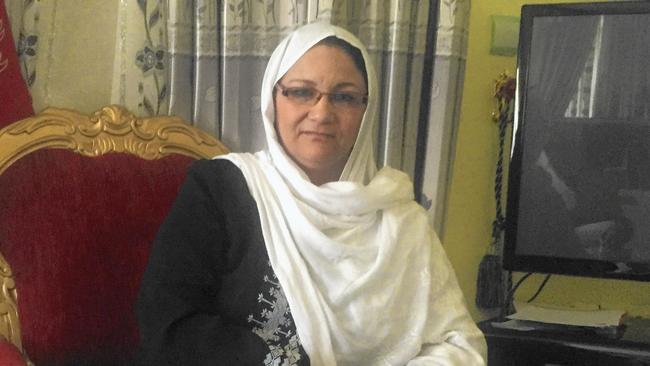
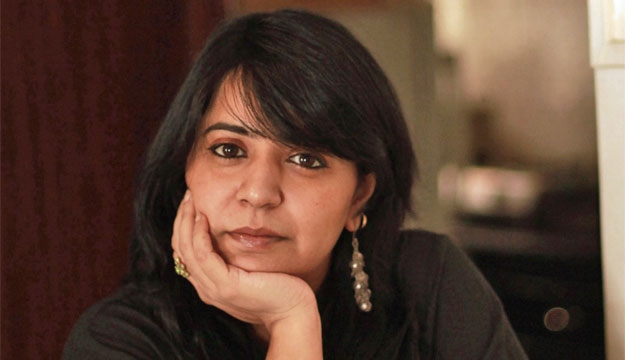
When she became governor of her native Ghor in June, Seema Joyenda knew that she was taking responsibility for not only one of Afghanistan’s most insecure and impoverished provinces, but also the political aspirations of many Afghan women.
As soon as her appointment by Afghan President Ashraf Ghani was announced, local religious leaders launched a protest.
Mawlavi Mohammad, a member of Ghor’s religious council, an advisory board of local mullahs, contended that Friday prayers — a religious obligation for all able-bodied Muslim men — would be voided in a community led by a woman, because women cannot preside over a communal prayer, according to religious custom.
The religious leaders ended their complaints only after Joyenda invited them to meet with her. She said support for her appointment, especially from women, has outweighed criticism.


