










Egypt’s women struggle to chart their own paths
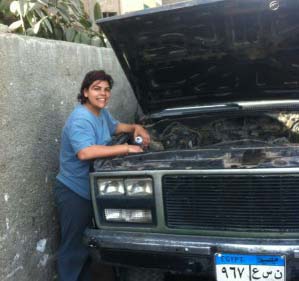
Lara Hesham El Fouly built her own car – perhaps not unusual in Western countries, but in Egypt women undertaking “male” work is taboo and rare.
In the streets of Cairo, abandoned cars grow rusty. Owners cannot afford to maintain, repair or even register them, sometimes leaving them for years. Lara, then 16, claimed one of these cars and used the body to build her own car. For two years she worked alongside Mohamed Al Abyad, a mechanic who specialises in repairing foreign cars. Together they took the vehicle apart and replaced parts.
Lara’s daily travels to a mechanic shop where only men worked triggered a backlash from men she thought were her friends. Even other mechanics in the workshop condemned her. But Lara wanted a car and she persevered. And, she is not alone in taking her life into her own hands to achieve what she needed to.
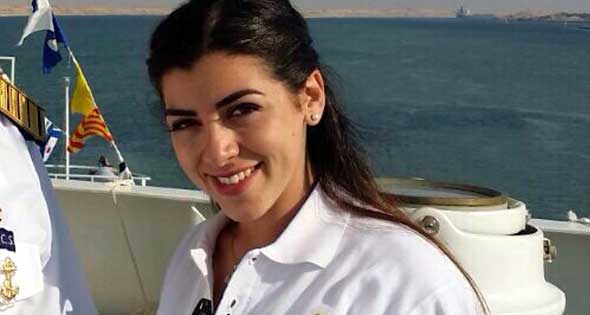
Earlier this month, the opening of the new Suez Canal extension, a multi-billion project, brought Egypt’s first ever female “shipmaster”, Marwa el-Slehdar. The canal’s history stretches back 146 years but in Egypt, women in maritime professions is unheard of. Marwa is also believed to be the first Egyptian woman to study marine navigation at The Arab Academy of Science, Technology, and Maritime Transport.
The gender gap in Egypt is one of the worst in the world, according to a study by the World Economic Forum in 2014. Workplace inequality in Egypt is ranked at 129 out of 142 countries, with only 26 percent of women in the workforce.


