







To empower women, prioritize their social and economic rights
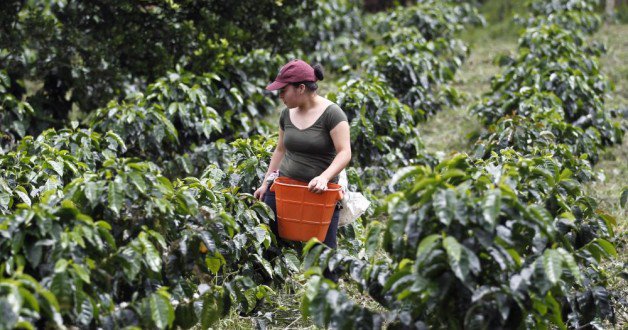
According to the UN’s Food and Agriculture Organisation (FAO), rural women represented fully a quarter of the world’s population in 2000. Yet, despite their numbers, they face many additional barriers to seeing their rights protected and fulfilled when compared to their urban counterparts.
Take the case of Colombia. The country has fairly strong legislation and public policy to promote gender equality. In addition to several laws prohibiting gender discrimination and violence against women, in 2012 the government announced a new National Policy on Gender Equity (Política Pública Nacional de Equidad de Género para las Mujeres), with implementation strategies. But what have these laws and policies promoting women’s rights achieved for the average, low-income rural woman? In Huila and Cauca, agricultural states that I visited over the last few months, the answer I heard was next to nothing.


