












Women Farmers Combat Land Degradation in Nagaland
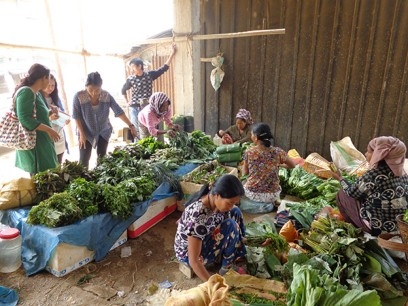
A UNDP partnership with the government of Nagaland has reduced soil erosion and increased vegetation cover on 30,000 hectares of land in 70 villages. The partnership in the North Eastern Himalayan state has empowered 7,000 women farmers to adopt farming practices that can protect soil fertility, diversify livelihoods and strengthened market linkages.
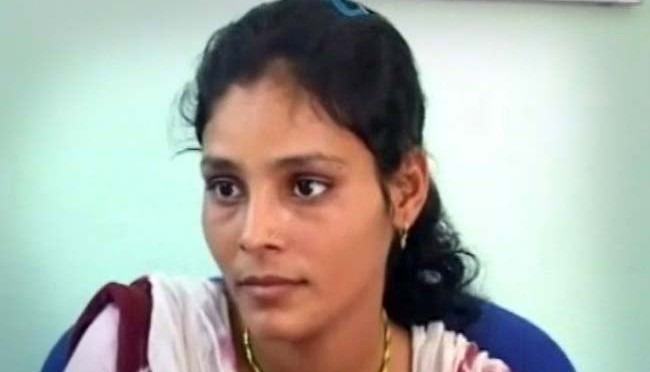
48 year old Pongha has long been famous in her hometown of Mon village for the beautifulmekhelas or traditional Naga dress worn by women that she weaves for selling to her neighbours. But in recent years, Pongha has also become an inspiration for women farmers in her village. In 2013, Pongha and her husband began introducing a number of simple soil and water conservation strategies on the small piece of land they cultivated in the village. The results have been astounding. Harvest from her field has increased by 60 percent, raising family income, and improving the soil fertility of her land.
Seventy percent of jhum farmers in Nagaland are women and the partnership has focused on empowering women farmers through introducing soil and water conservation practices such as contour bunding and developing common local water bodies. Pongha has built soil embankments called contour bunds on herjhum plot which help retain water and prevent soil erosion. Pongha describes the difference. “The quality of soil below the contour bunds is much better than above. I can now prevent water from flowing away, and the size and quality of crops has vastly improved.” Pongha now also grows ginger along the contour bunds, earning her additional income.


