

The Plight of Women in Afghanistan
Countries which undergo strife for long periods of time due to civil war, terrorism and so on, face many societal problems. One of these problems causing great suffering is the severe degradation of the natural rights of people. In this climate, unfortunately, the most vulnerable groups in society such as women, children and minorities suffer first and the most. Afghanistan, which has undergone a violent transformation in the past thirty years, is no exception, plagued by myriad chronic societal issues. Given the depth and severity of these challenges adversely affecting the Afghan psyche, it will take a long time to tackle them.
The international community (through direct government to government contact, civil society organizations and other non-governmental organizations (NGOs)) has consistently pressured the Afghan government to address these subjects, especially that of women’s rights. But deep societal changes do not come about suddenly and are beyond the immediate control of the Government of the Islamic Republic of Afghanistan.
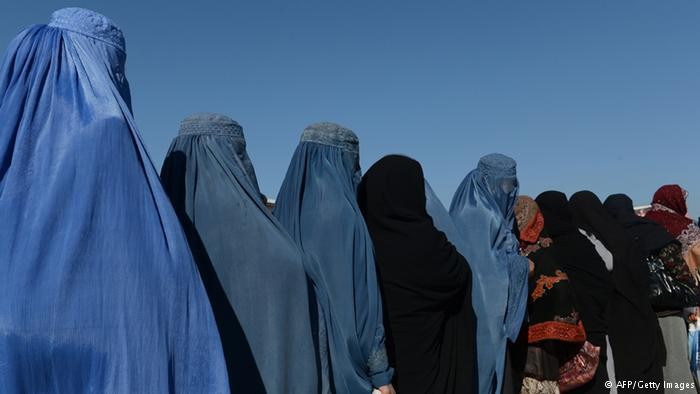
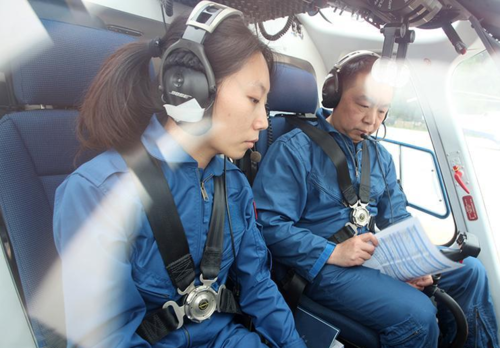
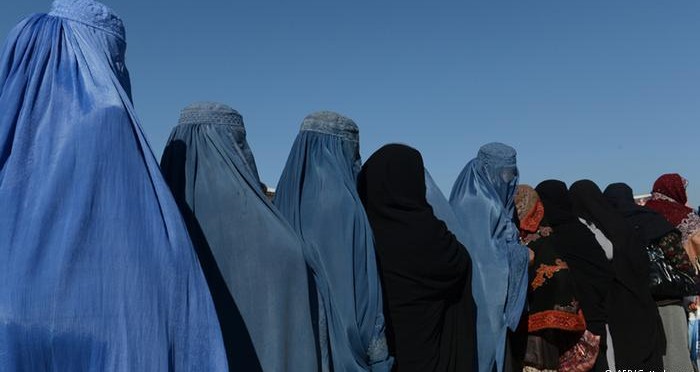
While Afghanistan (even before the onset of strife in 1978) has always been a more conservative society relative to the West, it had made considerable progress on women’s rights in the 1960s and 1970s. But that progress was in the Afghan context at that time. A good number of women in the capital Kabul and other large cities participated in many professional activities. They were doctors, nurses, teachers, civil servants and parliamentarians, among others. In the large cities women dressed as they wished, wearing short skirts, pants suits and high heels, for instance. Some had completely shed head scarves, not to mention burqas. My mother and others drove cars without wearing any kind of headgear. The point is not that outward appearance is necessarily indicative of progress in all aspects of women’s rights, but it shows the level of tolerance that existed in the society at the time.


